
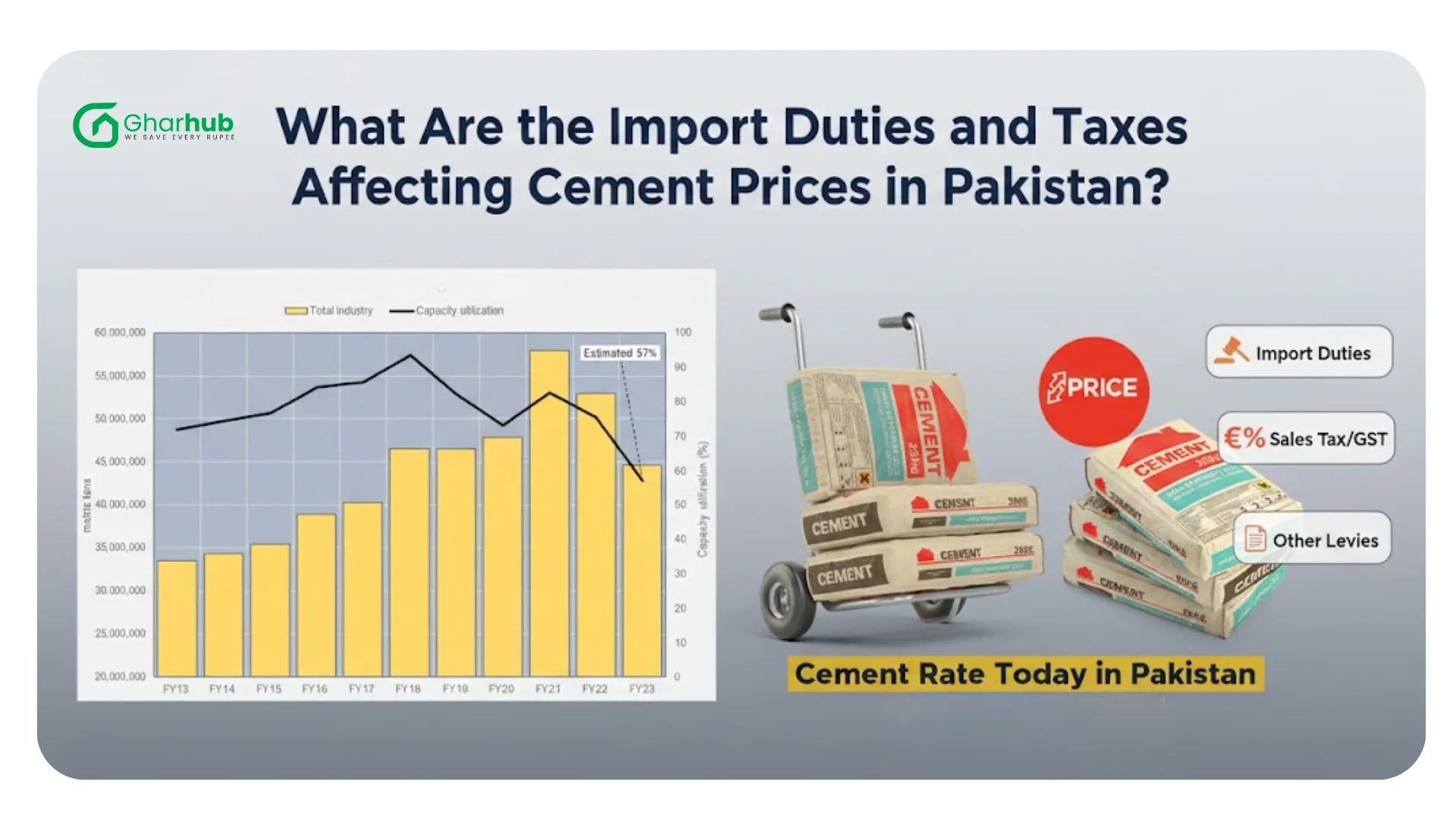

Planning to construct a residence in Pakistan often begins with a carefully calculated spending plan. Yet many house owners and contractors experience the very same shock. The approximated cost all of a sudden rises, and among the biggest reasons is the rising cost of cement. What appears like a basic construction material is actually affected by numerous financial pressures, specifically import responsibilities and federal government tax obligations.
Understanding why concrete rates rise and fall is no longer optional. Whether you are a service provider handling several tasks, a property owner planning for grey framework building and construction, or just tracking market patterns, recognizing what drives concrete prices can aid you make smarter economic decisions.
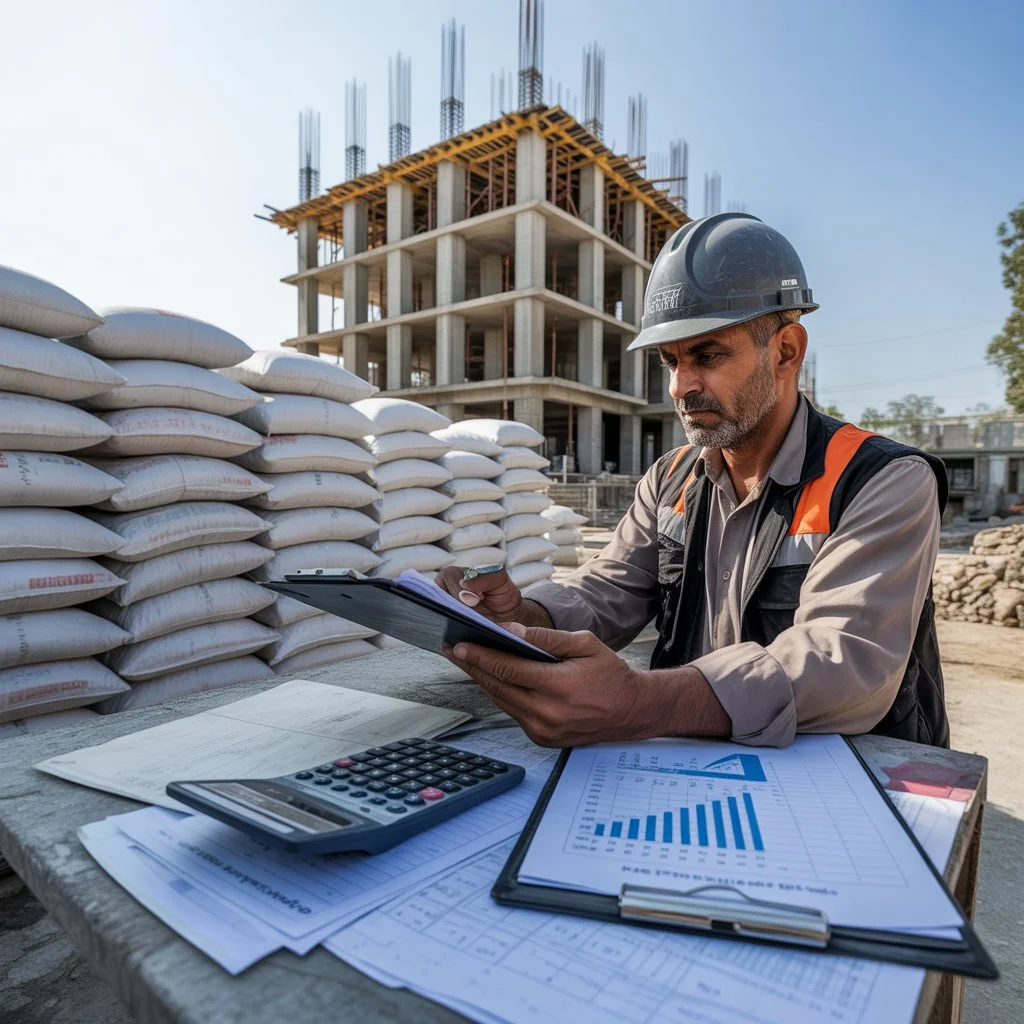
Import responsibilities and government taxes straight increase the production and supply cost of concrete. Makers and importers pass extended costs down the supply chain, which results in high market prices. When combined with fuel prices, transportation charges, and these tax obligations substantially elevate the final concrete bag cost in Pakistan.
These factors collectively shape what consumers ultimately pay per cement bori.
Cement rates in Pakistan vary by area as a result of transportation ranges, local demand, and making a focus. Northern markets usually reveal a little greater costs due to freight changes, while southerly areas gain from distance to ports and production facilities.
| Region | Average Price per Bag |
| North Pakistan | Rs. 1,350 – 1,500 |
| South Pakistan | Rs. 1,250 – 1,420 |
Prices change regularly depending on gas adjustments and policy changes, so customers need to constantly verify present market prices prior to purchasing bulk quantities.
For builders, even a small increase of Rs. 50–100 per bag can significantly impact total construction costs, especially during Grey Structure Development where cement consumption is high.
Professional guidance often prevents costly mistakes that arise from poor material selection. Many buyers unknowingly repeat Common Construction Mistakes when trying to reduce costs.
Tax obligations are among one of the most significant chauffeurs of concrete cost in Pakistan. While many buyers criticize suppliers for rising expenses, a big part of the final rate is shaped by financial plans.
Federal Excise Duty is one of the most substantial taxes put on cement manufacturing. It is charged per ton and directly enhances production expenditures.
Makers hardly ever absorb this price since margins in the concrete sector are very closely tied to energy rates and operational expenses. As a result, FED is generally moved to the purchaser.
For large-scale projects, this duty alone can add thousands of rupees to total construction expenses.
GST is used at the retail phase and influences nearly every customer acquisition in Pakistan, consisting of building and construction products.
Since it is percentage-based, greater base prices immediately lead to greater tax obligation amounts. This produces a compounding result where buyers are paying tax on currently blown up prices.
For instance:
Pakistan generates the majority of its concrete in your area, but imported basic materials such as machinery parts, extra components, and occasionally clinker influence total manufacturing economics.
When customs duties increase:
Even the possibility of imports can shift pricing behavior across the industry.
Cement is heavy and expensive to transport. Fuel taxes therefore play a remarkably huge function in determining the concrete bag cost.
Every increase in diesel or gasoline prices elevates freight charges from factories to storehouses and after that to retail dealerships.
For remote construction sites, transport can turn into one of the hidden expense drivers that purchasers commonly forget during budgeting.
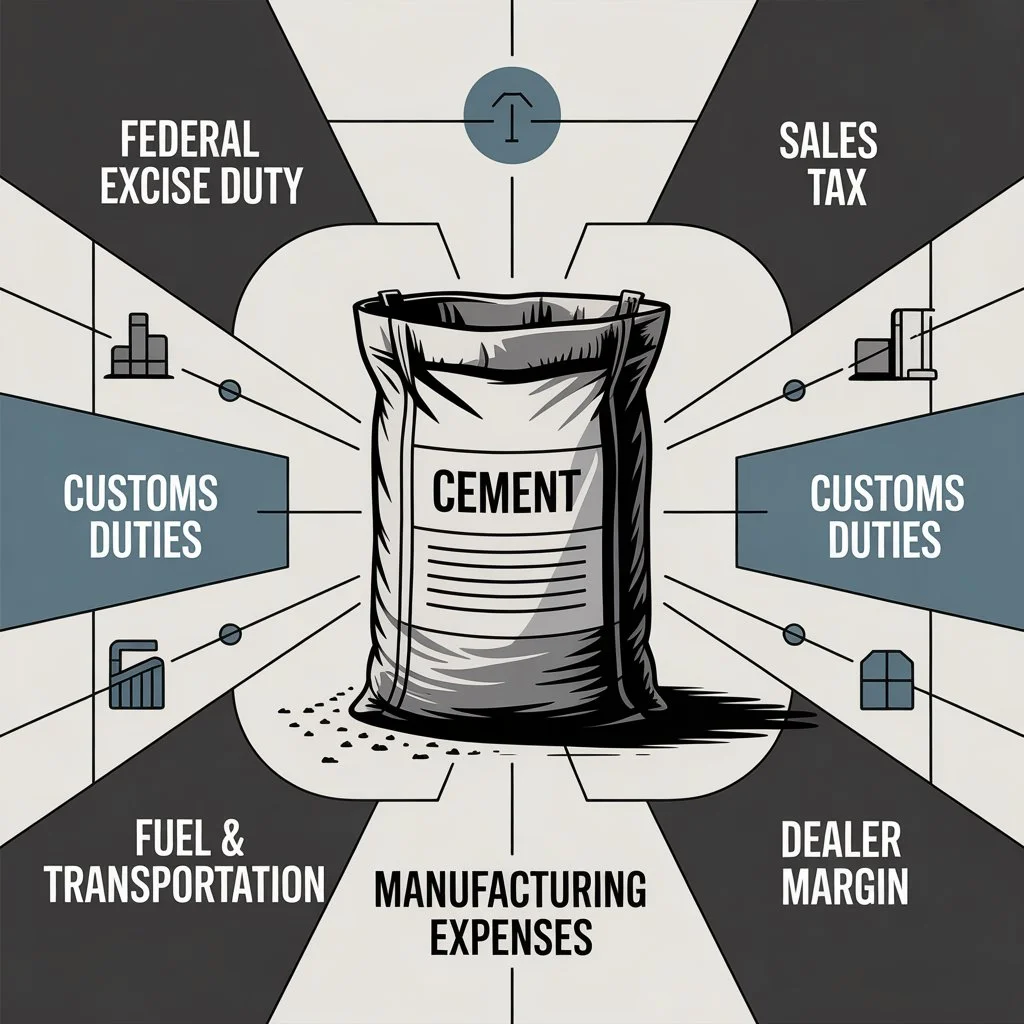
While duties and tax obligations are vital, they run together with wider financial forces.
Persistent inflation reduces purchasing power and increases operational expenses for manufacturers. Equipment maintenance, labor wages, and packaging all become more expensive.
When the Pakistani rupee weakens against the dollar, importing machinery, fuel, and industrial inputs becomes costlier. These increases eventually reflect in local cement rates.
Cement production is energy-intensive. Coal and electricity price hikes can immediately push manufacturing expenses higher.
During peak construction seasons, demand spikes. Developers rush to complete projects, creating temporary supply pressure that elevates prices.
Conversely, slower real estate activity may stabilize rates.
Regions with more factories often enjoy slightly lower prices due to competitive supply chains. Areas dependent on transported cement typically pay more.
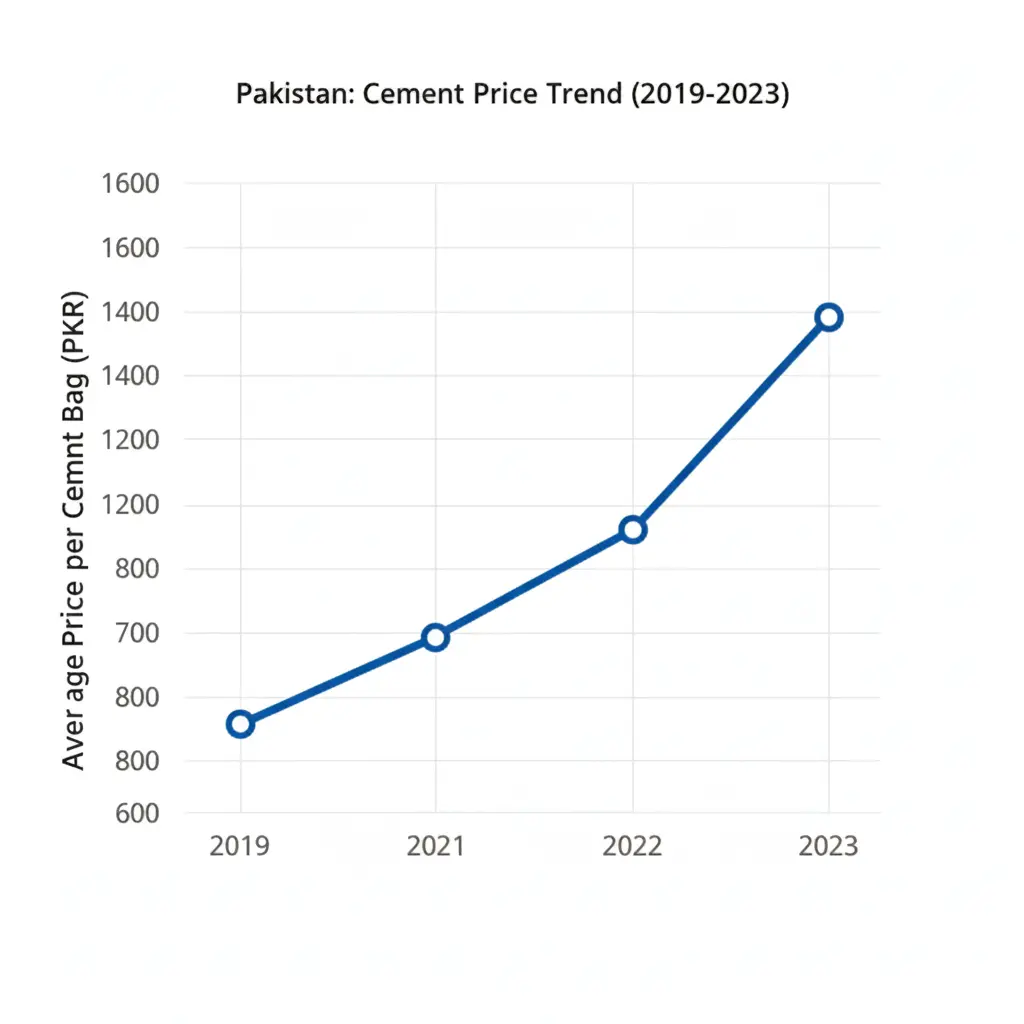
Understanding historical movement helps buyers anticipate future changes.
| Year | Average Price Per Bag |
| 2021 | Rs. 600 – 700 |
| 2022 | Rs. 750 – 900 |
| 2023 | Rs. 950 – 1,150 |
| 2024 | Rs. 1,150 – 1,300 |
| 2025-26 | Rs. 1,250 – 1,500 |
For verified economic indicators, referencing sources such as the Pakistan Bureau of Statistics and the All Pakistan Cement Manufacturers Association can provide additional market credibility.
Enhancing concrete costs are not just numbers on a rate listing. They directly influence building planning.
Higher cement costs can raise grey structure expenses significantly. This directly affects the overall Cost to Build a House in Pakistan, forcing many homeowners to revise their budgets.
Contractors commonly change quotations when material prices change. This might cause unanticipated monetary changes mid-project.
Some homeowners pause construction while waiting for cost security. However, delays can sometimes lead to even higher costs if inflation continues.
Trying to reduce expenses by acquiring more affordable or unproven cement can compromise structural honesty. This is a risk no home builder should take.
While no forecast is absolute, several indicators suggest continued volatility.
For buyers planning construction within the next year, proactive budgeting is often safer than waiting for dramatic price drops.
Smart purchasing is about balance, not just finding the lowest price.
Consider the following:
Learning about Choosing Quality Building Materials can help prevent structural issues later. And working with experienced construction professionals such as GharHub can help buyers identify reliable materials while staying within budget.
Material markets can shift quickly. Without industry awareness, buyers may overpay or select products unsuitable for their structural needs.
Consulting professionals offers several advantages:
GharHub supports homeowners and builders by providing expert consultation on construction materials and planning. If you are preparing for construction, connecting with a trusted company like GharHub can simplify complex decisions.
Import duties and taxes play a central function in shaping concrete rates in Pakistan. And if you are planning a residential or commercial project, consulting experienced construction professionals such as GharHub can help you select quality materials, manage costs effectively, and avoid unnecessary risks.
Concrete rates rise as a result of a mix of government taxes, gas expenses, rising cost of living, and production costs. Import tasks and sales tax obligations significantly raise the last retail rate paid by customers.
Currently, the ordinary cement bag costs in between Rs. 1,250 and Rs. 1,500 relying on area, transportation distance, and dealership margins.
Yes. Taxes such as Federal Import Tax Duty and GST are added during production and retail stages. Makers typically move these costs to buyers, elevating the total market value.
Not always. Custom-made obligations, product costs, and currency changes typically make imported concrete likewise priced or in some cases more pricey than locally produced alternatives.
Market timing is difficult. Instead of waiting forever, intending your budget plan very carefully and seeking advice from experts can help you wage greater financial self-confidence.