
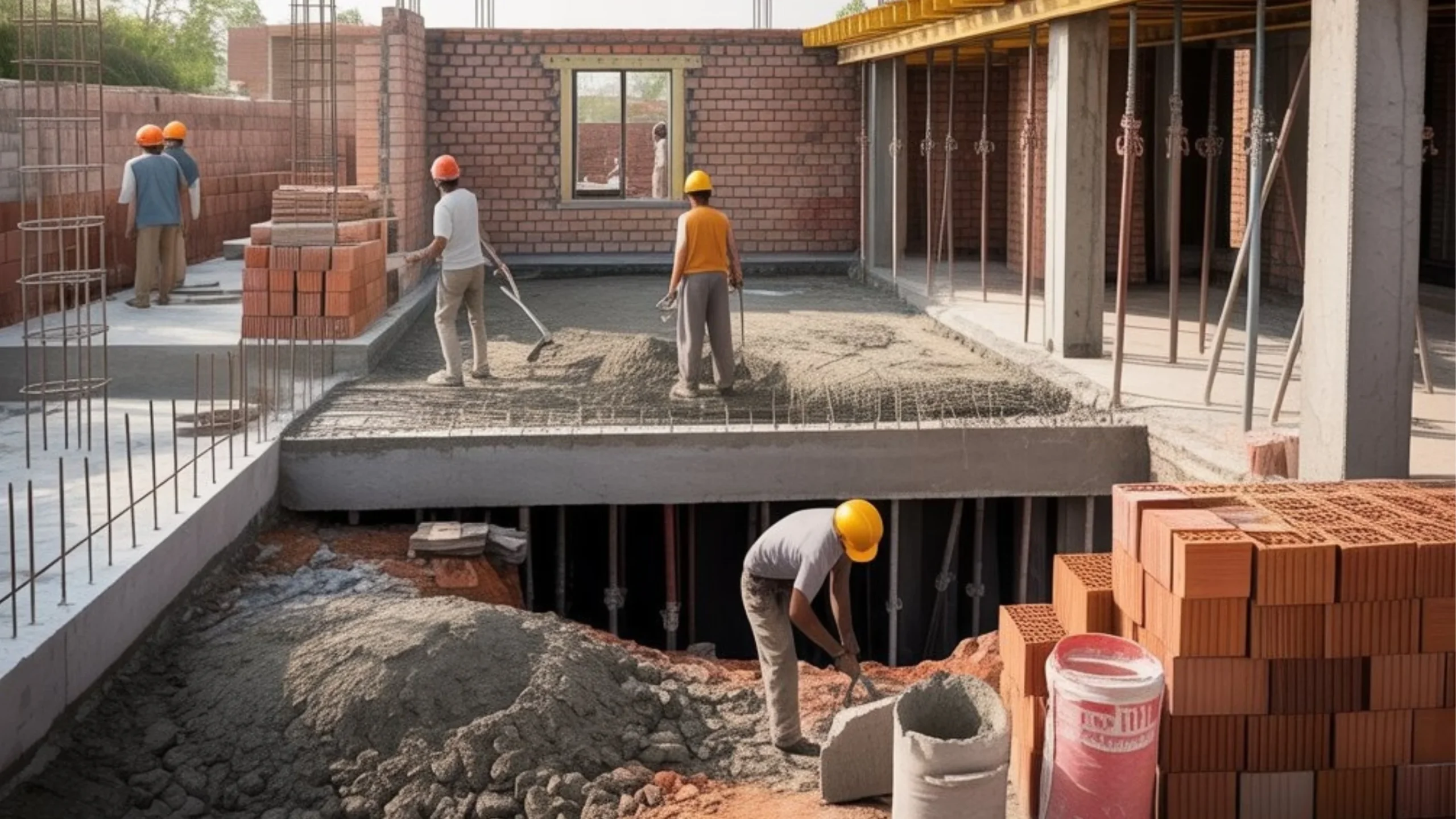

Building or constructing a home is not just about bricks and walls. It is about lifetime cost savings, family protection, assurance, security, and peace of mind. Yet, lots of homeowners in Pakistan begin their home construction with excitement but end up stressed, confused and financially overflowed. Walls crack. Costs increase. Timelines stretch endlessly. Most of these problems do not happen because people lack money. They happen because people do not understand the house construction process in Pakistan before starting.
This guide will give you know-how about the entire home construction process, step by step, exactly like it occurs in Pakistan. Whether you are planning for a small house or a larger project on a commercial scale, this blog will assist you in understanding what to expect and how to avoid costly mistakes.
The house building procedure in Pakistan is a systematic series of stages, beginning with planning and ending with ending up. Each stage depends upon the previous one. Skipping or rushing any type of step creates issues that show up months and even years later.
Unlike some countries where building is very standardized, the new home building procedure in Pakistan varies relying on soil problems, neighborhood bylaws, climate, and craftsmanship of top quality. This is why appropriate preparation and specialist assistance are vital.
In straightforward terms, home building is separated into three major stages: pre-construction, grey framework, and completing. Understanding this flow helps homeowners make better decisions, control prices, and preserve high quality.
Many construction troubles start prior to the first block is laid. The pre-construction stage specifies just how solid, legal, and cost-effective your house will certainly be.
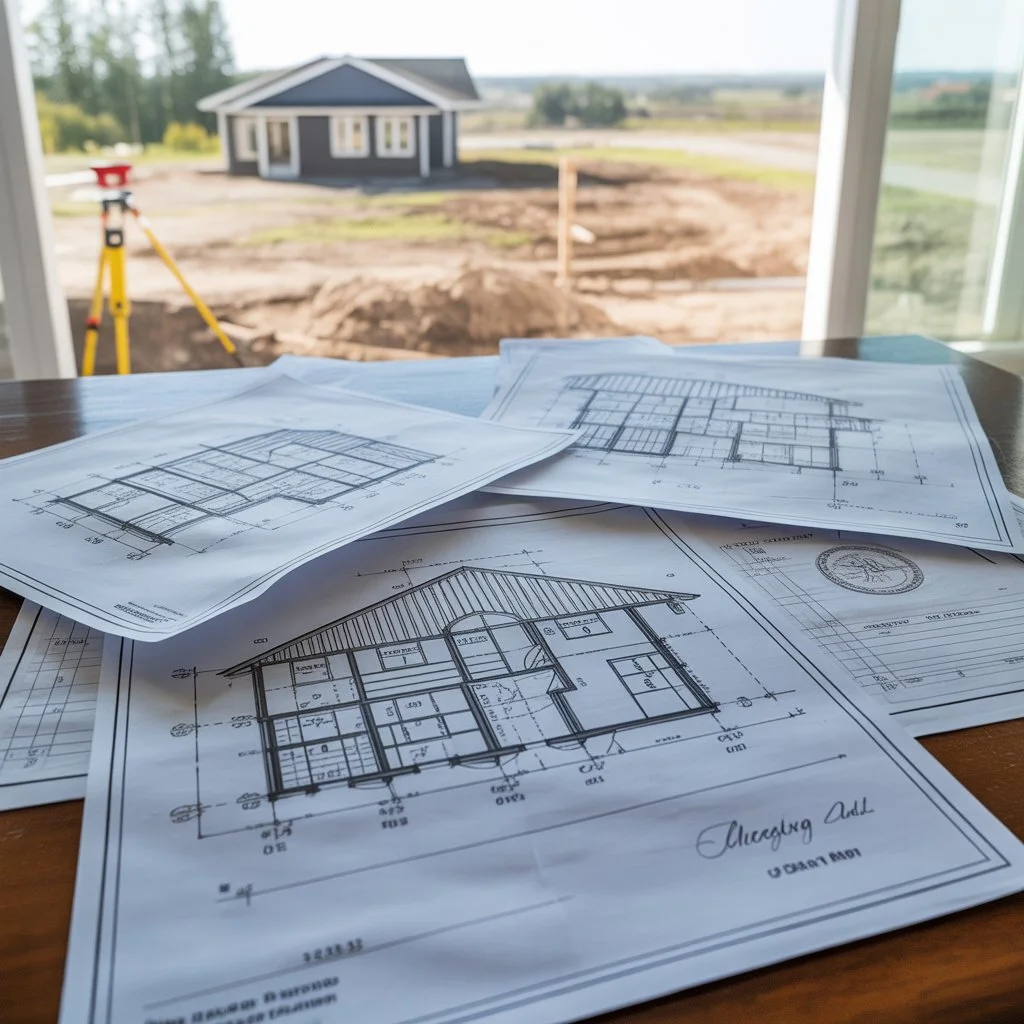
Before any kind of construction starts, plot confirmation is crucial. This consists of ownership documents, approved layout plans, and conformity with local development authority laws. Structure without proper authorizations can result in fines, demolition notices, or solution disconnections.
In Pakistan, societies and neighborhood authorities frequently have particular rules regarding obstacles, height limitations, and covered location. Ignoring these guidelines causes required modifications mid-construction, enhancing cost and delays.
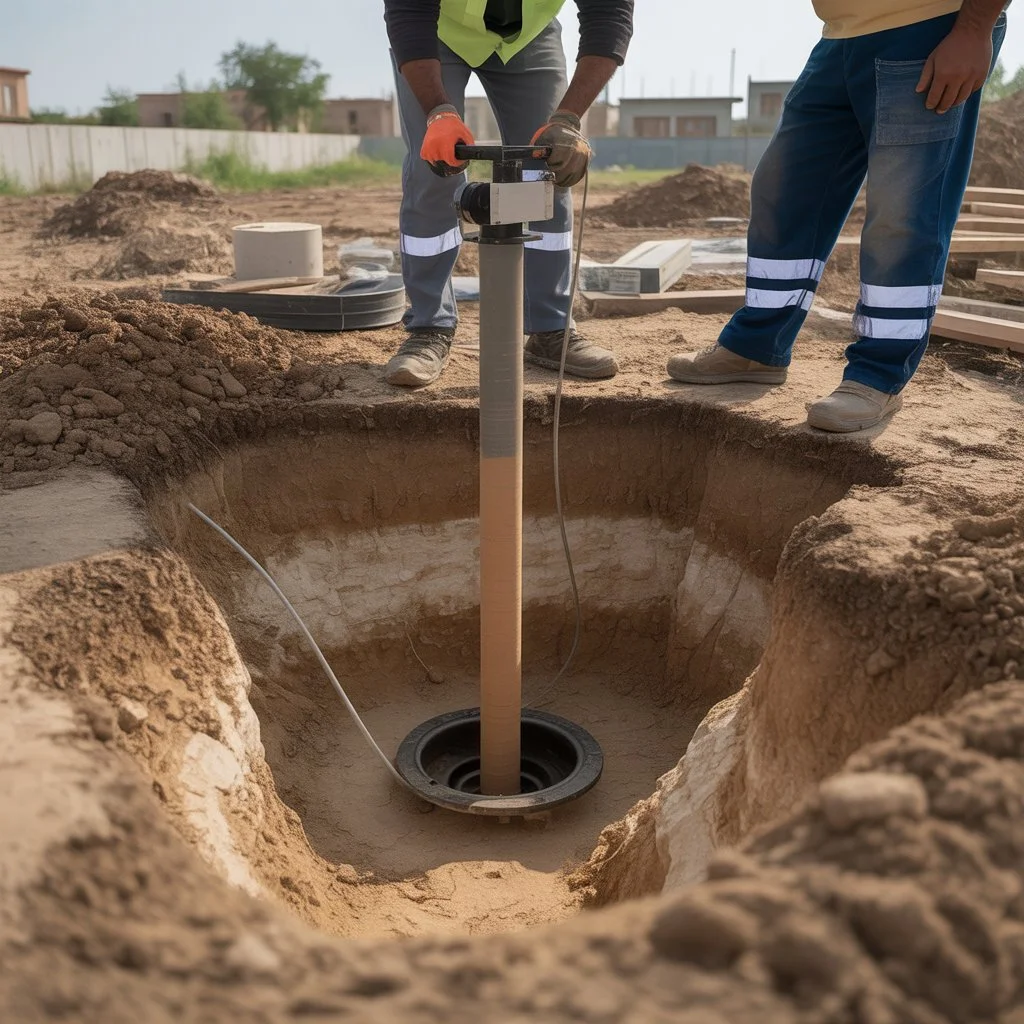
Soil testing is among the most avoided actions, yet it directly influences the safety and security of your house. Pakistan has actually varied dirt problems, consisting of clay, sand, and mixed soils. Each acts in different ways under tons.
A soil test identifies birthing ability and groundwater level. Without this data, structures are designed on guesswork. Research shows that foundation-related issues contribute to a considerable percent of structural failings in property buildings.
Stepping soil testing might save a percentage at first but can cause negotiation, fractures, and lasting damages.
Great design is not just about looks. It controls air flow, lighting, architectural effectiveness, and future expansion. Architectural drawings consist of layout, altitudes, and functioning illustrations that lead every building and construction step.
A well-planned layout lowers material wastefulness and makes certain smooth control between structural, electrical, and pipes works. Companies like GharHub aid home owners line up layout with sensible building and construction requirements, preventing disputes during execution.
One of the biggest worries home owners have is price overruns. This typically happens as a result of poor estimate. Construction expense in Pakistan is typically divided right into grey framework and ending up.
A reasonable budget accounts for product rate changes, labor prices, and contingency expenditures. Research studies in residential building reveal that tasks without correct budgeting exceed preliminary quotes by 15 to 25 percent.
| Cost Component | Approximate Share |
| Planning & Design | 3-5% |
| Grey Structure | 55-60% |
| Finishing Works | 35-40% |
Understanding this breakdown helps you plan a better cash flow process and avoid work breaks due to financial overflow.
The Grey Structure is the most critical part of the house construction process in Pakistan. It determines the strength, durability, and safety of your home.
Building begins with accurate format marking according to approved drawings. Excavation deepness should match structure style. Mistakes at this phase impact alignment and tons distribution.
Utilizing appropriate measuring tools and guidance makes certain the framework rests exactly where it should.
Foundations move the tons of the building to the ground. This includes PCC, footings, reinforcement placement, and concrete pouring.
Quality concrete, right steel spacing, and appropriate treating are non-negotiable. Research study suggests that insufficient healing alone can minimize concrete toughness by approximately 40 percent.
The plinth light beam links the framework with each other and distributes lots uniformly. The wet evidence training course stops wetness from climbing right into wall surfaces, which is a common concern in Pakistani homes.
Disregarding DPC results in damp walls, peeling off paint, and unhealthy living problems.
Block masonry specifies the form of your house. Brick top quality, mortar ratio, and bonding pattern all issue. Poor brickwork leads to cracks and weak walls.
Proper placement checks during masonry make certain right wall surfaces and reduce plaster density, saving product and price.
This stage entails heavy structural work. Steel reinforcement should be placed exactly as per drawings. Shuttering must be solid and leak-proof.
Roof piece spreading is a single procedure. Blunders below can not be undone. Correct curing for at least 14 days is essential to attain design strength.
Finishing gives the house its final appearance and functionality. Poor finishing can ruin even the strongest grey structure.
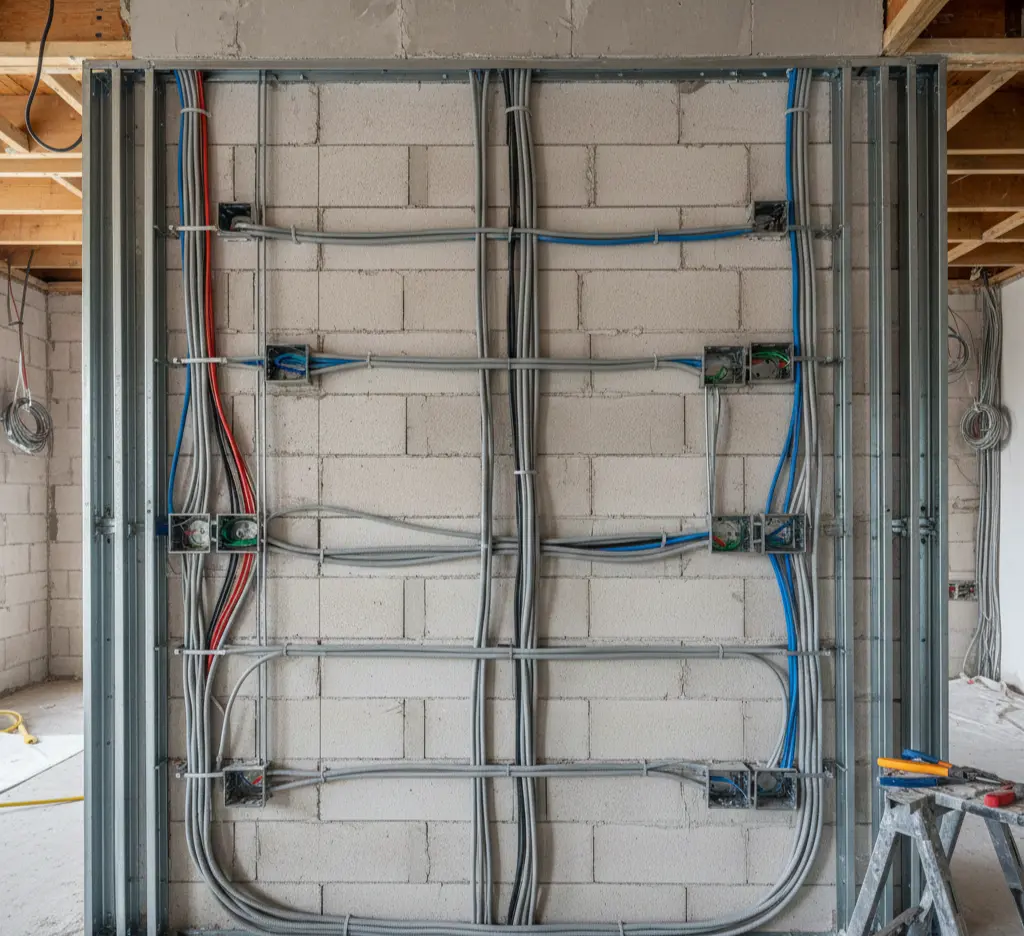
Electrical conduits and Plumbing lines are installed inside walls and slabs. Proper planning prevents future wall breaking and leakage issues.
Using quality pipes and wires increases safety and reduces maintenance costs over time.
Plaster smoothens surfaces and secures masonry. Outside plaster and roofing system waterproofing are essential in Pakistan’s environment, where warm and downpour rainfalls create development and seepage.
Flooring, doors, wardrobes, and paint complete your home. Material option influences durability and visual appeals. Last paint ought to constantly be done after all setups to prevent damages.
Quality control makes certain products and handiwork satisfy standards. Daily guidance assists identify blunders early, when adjustment is still possible.
Professional construction companies follow checklists, test materials, and document progress. Firms like GharHub provide structured supervision that reduces rework and ensures consistency throughout the construction process.
Many homeowners repeat the same mistakes, leading to avoidable losses. Mistakes to avoid during grey structure construction is a crucial step.
Construction timelines depend on design complexity, labor availability, and weather.
| Phase | Estimated Time |
| Pre-Construction | 1-2 months |
| Grey Structure | 4-6 months |
| Finishing Works | 3-4 months |
Delays often occur due to poor planning or cash flow issues rather than technical reasons.
A reliable construction company brings experience, transparency, and accountability. They guide homeowners through material selection, scheduling, and quality control.
Professional firms like GharHub help homeowners understand each step of the house construction process in Pakistan, reducing stress and costly errors.
Independent building and construction might appear less expensive, but it brings risks such as material theft, inadequate guidance, and inconsistent high quality.
Working with professionals brings certain accountability, technical expertise, and smoother coordination. The option depends on your time, expertise, and risk tolerance.
The overall process is complex, but when you recognize each action, you make informed choices that protect your financial investment.
Proper planning, quality materials, and professional guidance turn construction from a stressful task into a smooth journey. Trusted construction companies like GharHub simplify the entire home construction process, helping homeowners build safely, efficiently, and confidently.
It is a step-by-step method that consists of planning, grey structure building and construction, and finishing jobs to develop a risk-free and sturdy residence.
A full home generally takes 8 months to a year, relying on layout, budget plan, and site conditions.
Grey framework is the primary structural framework of a home, including foundation, wall surfaces, beams, and roofing slab.
Yes. Soil testing makes sure the structure is designed according to ground toughness and stops future structural concerns.
Grey structure is the costliest phase and typically covers 55– 60% of the total building price.
Yes, but it involves higher dangers. Professional firms supply better quality assurance and guidance.
You need authorized drawings, ownership records, and conformity with local building bylaws.
A building business manages planning, materials, guidance, and quality to lower mistakes and delays.
Normal guidance ensures right craftsmanship, worldly top quality, and timely conclusion.