 Contact Us
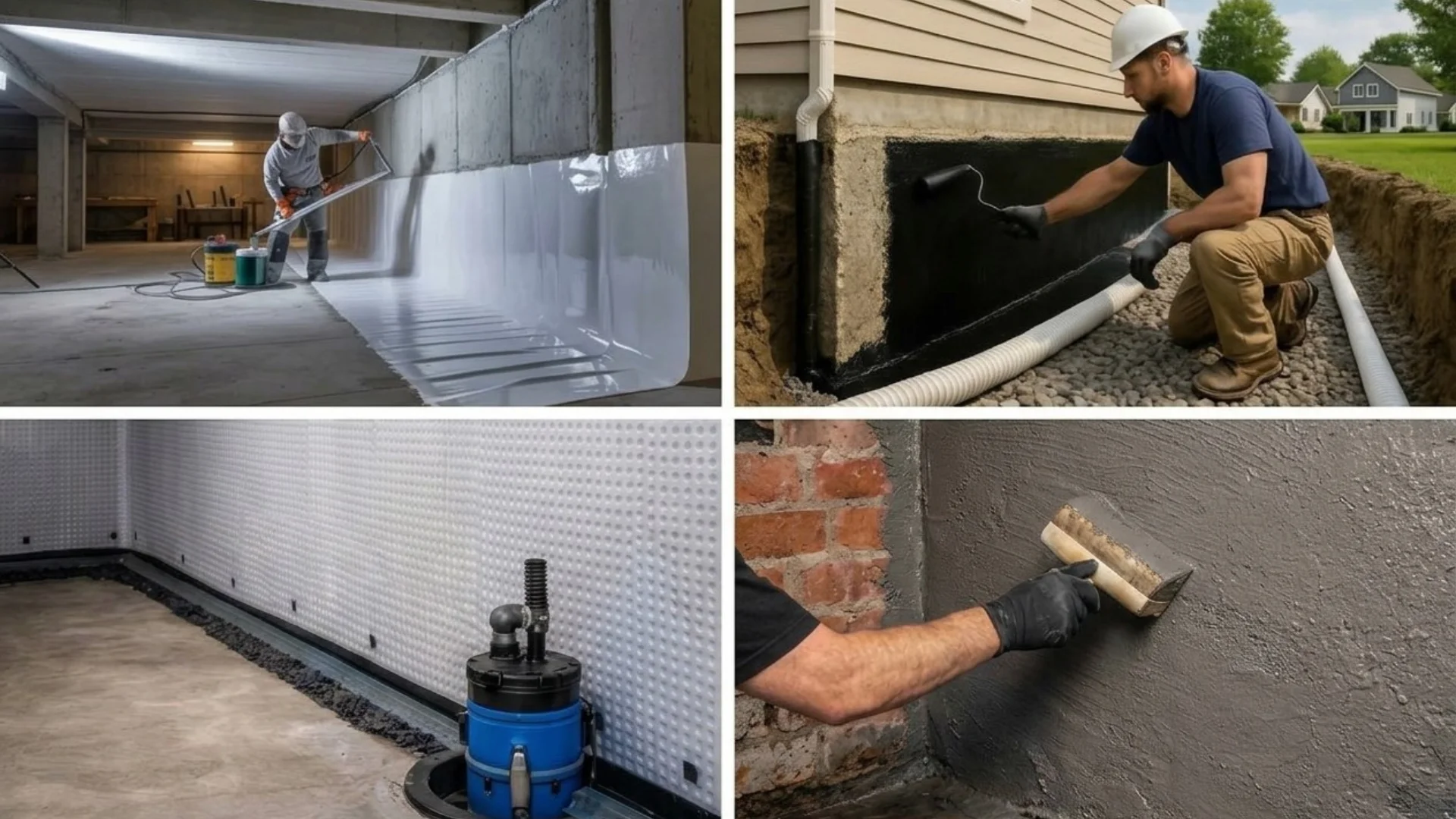
Many people believe that waterproofing is the same in a house. It is not. A basement deals with a different type of water than a roof does. A roof gets rid of rain. Water hits it, flows off, and dries in the sun.
A basement is located inside soil. The water pushes against its walls and floor for days, months, or even the entire year. Once the soil is put back around the walls, you cannot easily get to the outside again. So a basement needs a system that can deal with contact and pressure and that lasts without regular access.
Point | Roof waterproofing | Basement waterproofing |
Water source | Rain from above | Groundwater and wet soil around it |
Water contact | Short bursts, then dries | Constant, often for months |
Water pressure | Low | Can be high below the water table |
Access for repair | Usually easy | Very hard after backfilling |
UV exposure | High | None once buried |
This is where waterproofing membranes come in. A waterproofing membrane is a waterproof layer applied as a sheet or a liquid that keeps water away from your foundation walls and floor.
People Also Search For: https://gharhub.com/common-roof-seepage-problems-waterproofing-solutions
In this guide, you will learn what causes basement damp, how waterproofing membranes work, and which type of waterproofing membrane suits which basement.
Common Causes of Basement Moisture
Before you pick any membrane, you need to know where the water comes from. Each cause needs a slightly different fix. Here are the six most common ones.
Groundwater seepage
Groundwater is water stored in the soil beneath the surface. When the soil near your basement is wet, that water slowly moves into concrete and brick. Basements located close to rivers, canals or areas that're low in elevation often deal with more of this problem.
The World Health Organization estimates that dampness affects 10% to 50% of indoor environments. Its 2009 guidelines found that people in damp or mouldy buildings face a higher risk of breathing problems, respiratory infections, and worse asthma.
Hydrostatic pressure
Hydrostatic pressure is the force of water that is not moving. The deeper the water, the more force it has. If your basement floor is lower than the water table, water constantly pushes against the walls and floor, looking for any spot.
Poor drainage and rainwater accumulation
Rainwater that gathers beside your house soaks down along the basement walls. The usual suspects for rainwater problems are roof downpipes that empty at the wall, ground that slopes toward the house, and blocked drains.
Cracks in concrete and masonry
Concrete shrinks when it dries and can develop cracks. Brick and block walls have mortar joints. Every crack or weak joint is a path for water, especially when pressure rises.
Leaking construction joints and pipe penetrations
A construction joint is where one concrete pour meets the next, like where the floor meets the wall. Pipe penetrations are holes where water, sewer, or electric lines travel through. Both are leak points because they break the continuous concrete.
Rising damp and moisture migration
Rising damp is moisture that climbs upward through walls and floors from the ground like water climbing up a sponge. It carries salts with it. Without a proper barrier, this slow movement keeps walls wet even without visible leaks.
How Waterproofing Membranes Protect Basement Structures
Think of a membrane like a raincoat for your foundation. It covers the walls and floor with one layer, so water can't get to the concrete.
A membrane works on the side where the water is. This is called the side, which means the outside part of the wall that touches the soil. Water pushing in actually pushes the membrane tighter against the wall. A membrane on the part of the wall, which is called the negative side, has to stop water that has already gone through the wall.
A good basement system includes more than the membrane. The membrane does the job. The protection board stops it from getting ripped. The drain reduces the water pressure the membrane has to deal with.
Waterproofing vs. Damp-Proofing: Key Differences
Confusing these two terms is one of the common reasons a basement keeps getting wet after "waterproofing." Damp-proofing slows down moisture and water vapour. It is suitable only for damp soil. Waterproofing stops water even when it is pushed against the wall under pressure.
Damp proofing | Waterproofing | |
Stops | Moisture and vapour | Liquid water and vapour |
Handles water pressure | No | Yes |
Typical materials | Bitumen coatings, cement-based coats | Membranes: sheet or liquid applied |
Typical thickness | Thin coat | Thicker, continuous layer |
Best for | Dry to damp soil, above the water table | Wet soil, below the water table |
Crack bridging | Little or none | Good, with flexible membranes |
Waterproofing Membrane Prices in Pakistan
Membrane prices in Pakistan depend on the type, brand, thickness, and roll or pack size. Installation, primer, protection board, and drainage are extra. Here are GharHub's listings in the related categories:
Product | Category | Listed price | |
Insulation and membrane | Rs 70 to 140 per sq ft | ||
Insulation and membrane | Rs 50 to 85 per sq ft | ||
Rs 250 to 7,000 | |||
Chemicals | Rs 250 to 7,000 | ||
Which Waterproofing Membrane Is Best for a Damp Basement?
There is no single best membrane for every basement. The best one is the one that matches your water problem, your stage of construction, and the side of the wall you can reach. Here are the main types you will come across:
Membrane type | How it is applied | Strengths |
Bituminous sheet (torch-on or self-adhesive) | Rolls bonded to the outside of walls | Tough, even thickness, proven below ground |
Liquid applied (polyurethane, polymer bitumen, synthetic rubber) | Brushed, rolled or sprayed on | Seamless, wraps pipes and corners easily |
Cementitious and crystalline | Slurry brushed onto concrete | Can work on damp surfaces and from inside |
Pre-applied sheet (HDPE type) | Laid before concrete is poured | Bonds to fresh concrete under slabs |
Best Membrane for New Basement Construction
There is nothing better than new construction, which allows you to access the exterior of all walls before backfilling. The best option will be an outside (positive side) membrane, either sheet or liquid, coupled with a membrane underneath the floor slab.
Best Membrane for Existing Basements
In an existing basement, the exterior is already buried. There are two options open to you. One is digging up the soil to install a membrane on the outside, which is the best solution, although disruptive. The other is working from inside with cementitious or crystalline waterproofing and injection in case of cracks. Inside systems prevent water from passing through the wall rather than repelling it, which means that the wall should be watertight.
Membrane for Basement Walls in Contact with Groundwater
Basement walls below the water table will always experience water pressure. In this case, there is a danger of having just one layer of protection. Architects usually use combinations of techniques, like bonding an exterior membrane with watertight concrete, or using an exterior membrane and an interior drained cavity.
Waterproofing System for Basement Floors and Foundations
Floor surfaces have the largest area exposed to the soil. The membrane under the slab should connect with the membrane on the wall without any opening at the corner point. Pouring joints of construction should include waterstops that are cast into the joints to prevent water from passing through them. Under conditions of high water pressure, the slab should be resistant to uplift.
Factors to Consider Before Choosing a Basement Waterproofing Membrane
The quick picker gives you a starting point. These eight factors help you narrow it down to the right product for your basement.
Depth of Basement and Groundwater Levels: The deeper your basement, the more likely you are to reach the water table level. Determine the depth of the groundwater level at your site, and check if it rises during monsoon season.
Hydrostatic Pressure and Wetness of the Surface: Hydrostatic pressure increases with depth. A wall that is merely damp requires much less pressure than one with water standing on it.
Condition of Concrete Surface and Presence of Honeycombs and Cracks: A membrane is as effective as the surface beneath it. Honeycombs, spalls, and wide cracks should be corrected first.
Flexibility of Membrane and Crack Bridging: Concrete expands and contracts due to temperature changes and settling. Crack bridging is the property by which the membrane can bridge any crack that may form later without breaking. Sheet and liquid membranes have a better crack-bridging capacity than rigid coatings.
Compatibility with Primers and Protection Layers: Almost all membranes require compatible primers to adhere effectively. Protection boards and adhesives should be compatible with the membrane.
Construction joints, corners, and pipe penetrations: The majority of leaks occur at the details, not in the middle of the wall. Inquire about how the system deals with wall-to-floor corners, construction joints, and pipe penetrations. Good systems provide prefabricated corners, waterstops, and pipe collars.
Related: https://gharhub.com/waterproofing-materials-supplier-for-buildings
Basement Waterproofing Membrane Installation: Step-by-Step
Choosing the right membrane is half the job. The other half is installing it properly. These steps follow the order most outside (positive side) basement systems use. Always follow your membrane maker's own instructions where they differ.
Step 1: Inspect the Basement and Identify Water Entry Points
Walk the whole basement. Mark damp patches, cracks, salt stains, and any spot where water drips or flows.
Step 2: Prepare the Concrete or Masonry Surface
Clean the surface of dust, oil, loose mortar, and old coatings. Grind down sharp bumps. The surface should be sound, even, and as dry as the product requires. Masonry walls usually need a cement render coat first.
Step 3: Repair Cracks and Construction Defects
Fill cracks, tie holes, and honeycombed areas with a suitable repair mortar or injection resin. Form a smooth, rounded fillet where the wall meets the floor, so the membrane does not have to bend around a sharp corner.
Step 4: Apply Primer or the Required Bonding Layer
Apply the primer the manufacturer specifies, at the right coverage. Let it dry for the stated time. Skipping or rushing this step is a common cause of membranes peeling away later.
Step 5: Install the Waterproofing Membrane
Apply the sheet or liquid membrane in one continuous layer. For sheets, overlap each roll by the amount the manufacturer states. For liquids, apply enough coats to reach the required dry thickness, and check it with a gauge.
Step 6: Seal Seams, Corners, and Pipe Penetrations
This is where most failures start. Seal every lap fully. Add extra strips or reinforcement at corners. Fit pipe collars or seal tightly around every pipe.
Step 7: Install Protection Boards or Protective Layers
Cover the membrane with protection boards before any soil goes near it. Stones and tools can easily puncture an exposed membrane.
Step 8: Inspect the Membrane Before Backfilling
Check every surface, seam, and detail carefully. Look for bubbles, tears, thin spots, and loose edges. Repair anything doubtful now.
Step 9: Complete Drainage and Backfill Work
Lay the perimeter drain at the footing level, wrapped in filter fabric, leading to a safe outlet. Then backfill in layers with free-draining material, taking care not to damage the protection boards. Finally, slope the ground away from the house so rainwater runs off.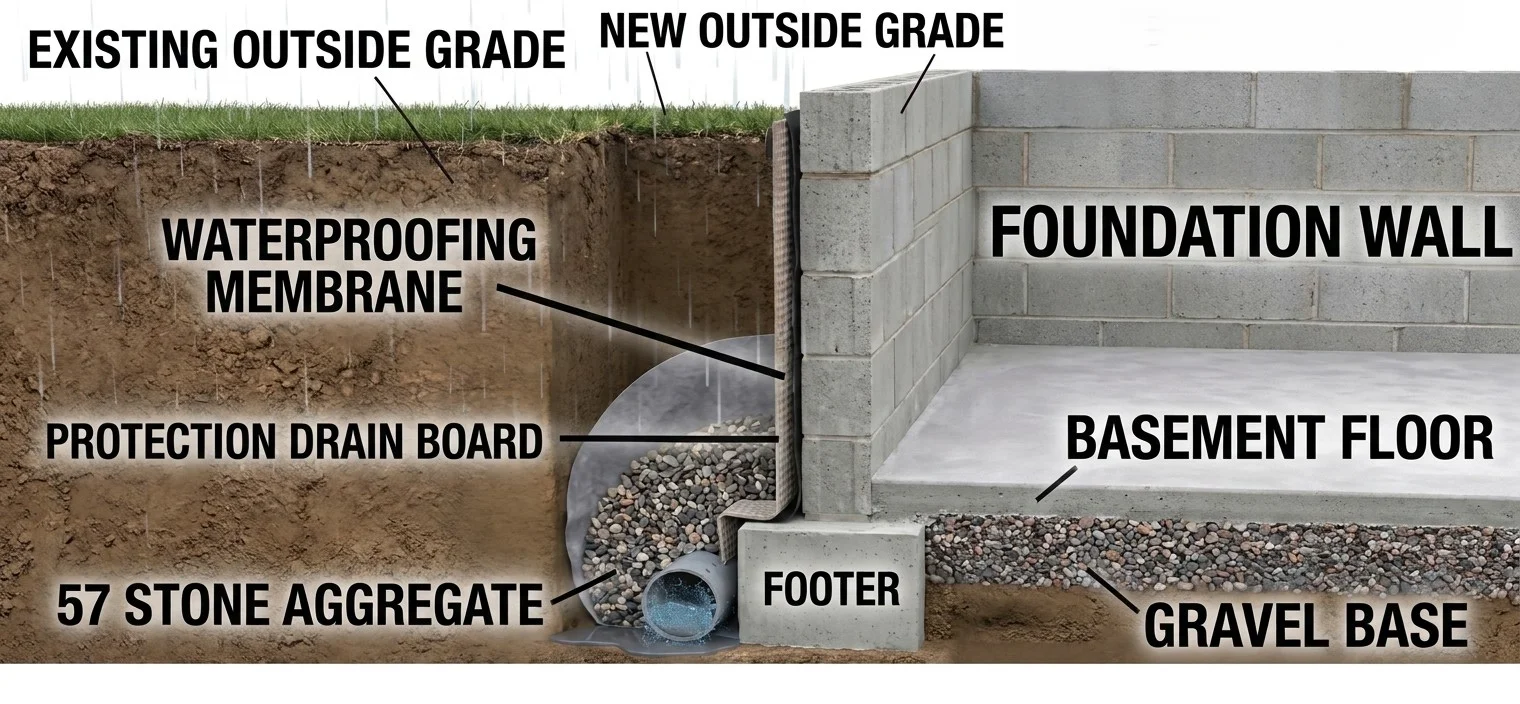
Common Basement Waterproofing Mistakes to Avoid
Even the best membrane can fail if it was selected or applied incorrectly. These eight errors are responsible for most recurrent leaks.
Selecting a Membrane Without Locating the Source of Moisture
Applying a Roof Membrane Without Ensuring Basement Compatibility
Failing to Address Construction Joints and Wall-Floor Intersection Areas
Leaving Membranes Exposed While Backfilling
Applying Waterproofing to Damaged Concrete
Disregarding Drainage Needs
Combining Non-Compatible Waterproofing Materials
Selecting a Contractor by Cost Alone
Conclusion
The most effective waterproof membrane depends upon the real basement situation. A wall that is just damp needs much less membrane compared to one having water pressure against it. A new basement is better protected against exterior elements before any backfilling. Existing basements can be protected using interior waterproofing membranes, excavated exterior, or drained cavity walls.
In any case, three things will determine its success:
A correct groundwater analysis before selecting the product
Professional installation of the product, paying extra attention to seams, junctions, and penetrations
Proper drainage so that water pressure remains low
Make sure you have read the manufacturer's technical sheet for below-ground installation along with its water pressure limitations. In cases where there is constant moisture or a basement below the water table, consult an expert before spending money.
FAQs About Basement Waterproofing Membranes
Can Basement Walls Be Waterproofed from the Inside?
Yes. Negative side systems such as cementitious or crystalline waterproofing may be applied to the inside surfaces of basement walls and floor slabs. It prevents the passage of water through the wall rather than preventing its presence on the surface.
Difference between Waterproofing and Damp-Proofing?
Damp-proofing slows moisture and vapour but cannot resist water under pressure. Waterproofing stops liquid water, even under pressure.
Can Waterproofing Membranes Withstand Groundwater Pressure?
Yes, if they are rated for it. Look for the technical data sheet and check for below-grade applications with continuous water pressure. In case of basement construction below the water table, a double system along with drainage should be used, as it is more secure than a single-layer waterproofing system.
Can Basement Waterproofing Be Applied Before or After Backfilling?
Outside waterproofing is always performed before backfilling soil around basement walls. Once soil is backfilled, it becomes impossible to reach the outside walls without removing the soil again. Inspect the membrane, place protection boards, and lay drains before any backfill is placed.
Can a Membrane Be Used on Wet Concrete?
It all depends on the type of product used. Sheet and liquid membranes require a dry substrate, while cementitious and crystalline types may be applied on damp concrete surfaces.
What Makes Basement Waterproofing Membranes Fail?
The common reasons for failure include poor substrate preparation, laps and corners left unsealed, damage during backfilling, lack of drainage, and using the wrong product for the application.
Can I Waterproof My Basement With a Membrane Without Drainage?
Water will accumulate behind the wall and continue exerting pressure on the membrane. The use of a perimeter drainage system and proper sloping of the ground reduces the pressure exerted on the membrane.
How Do I Stop My Basement From Being Damp Again?
Ensure that the rainwater is kept away from the walls through proper gutters, downpipes, and sloping of the ground. Also keep your drains free of blockages. Seal new cracks immediately and ventilate the basement to reduce condensation.