 Contact Us
Our Products

Insulation & Membrane
2 items


Secure Your Home with GharHub
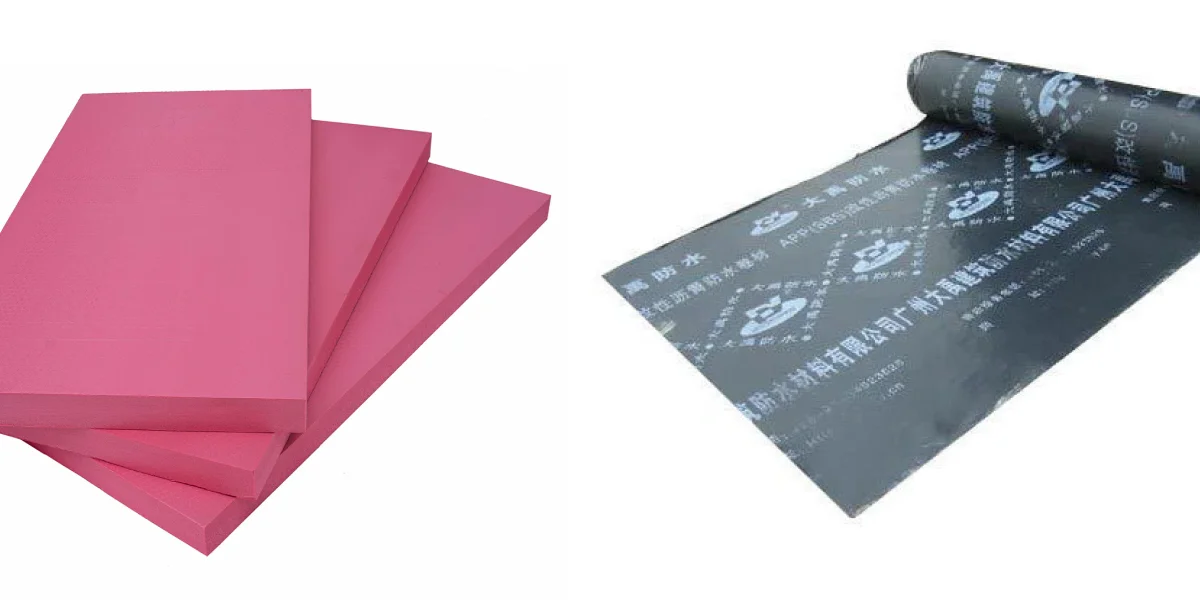
Insulation and waterproofing membranes protect a building by controlling indoor temperature, stopping moisture, saving energy, and extending the life of the structure. Insulation sheets reduce heat transfer through roofs and walls, while membranes keep water out of roofs, basements, and foundations.
Common choices in Pakistan include XPS and EPS sheets, glass wool and Jumbolon sheets for insulation, and 3mm or 4mm bitumen membranes, self-adhesive membranes, and acrylic coatings for waterproofing.
What does "Today Insulation and Membrane price in Pakistan" actually mean?
Online prices for insulation and membranes are approximations. The final cost depends on:
Material type: XPS, EPS, glass wool, bitumen, PVC, or HDPE
Thickness (1" to 4" for insulation, 3mm to 5mm for membranes)
Density and R-value
Membrane roll or sheet size
Brand: imported or local
Application method and surface condition
Primer and overlap labour
A simple estimate is:
(material cost x area) + (labour cost x area) + extra coats or primer.
When comparing quotes, match thickness, density, R-value, roll size, and delivery basis, and price installation separately.
Insulation Products Listed on GharHub
The current GharHub insulation and membrane page shows 2 products.
Product | Current Listed Price | Type |
|---|---|---|
PKR 70 - 140 / sq. ft | XPS insulation | |
PKR 50 - 85 / sq. ft | XPS insulation |
Understanding “insulation material rate” versus invoice price
The insulation material rate often refers only to the cost of raw materials. The actual invoice depends on:
Sq. ft coverage area
Required thickness (1-4 inches)
Installation labor cost
Primer, cleaning, and repair of cracks on the surface.
Overlapping and torching duration of waterproofing.
Membrane primer Chemical.
Water-resistant coating over the surface (protective screed/geo-membrane)
City-wise nuance: why Karachi, Lahore, and Islamabad differ
The regional differences are brought about as a result of:
Karachi: Demands high membrane because of humidity + flat roofs ->cost is higher to install.
Lahore: XPS/EPS are in great demand due to heat waves; they compete on price.
Islamabad: Grades of insulation are premium because of long winters.
How to read and negotiate insulation & membrane rates in Pakistan today?
Apply a rigorous assessment technique:
Compare quotes: Match thickness + density before comparing quotes.
Request R-Value certification: R-value should be higher, which implies increased heat resistance.
Check roll size or sheet size (membranes range 8 -10 sq. m).
Review checks on primer and overlap requirements.
Ask to install the price of installation on its own.
Check sheets on density consistency: Dense sheets become flattened over time.
Check batch and warehouse conditions: Heat spoils membrane rolls.
Examine the technical data sheet (TDS) for heat, moisture, and UV resistance.
Related Articles


Frequently Asked Questions
How can I prevent water leakage from a basement?
Basement waterproofing starts with identifying the source of water, the condition of the concrete, and the level of groundwater pressure. Depending on the building, protection may involve external waterproofing membranes, suitable cementitious systems, joint waterstops, drainage, and repair of cracks or penetrations
What is the difference between a waterproofing coating and a membrane?
A waterproofing coating is generally applied as a liquid that forms a protective layer after drying or curing. A waterproofing membrane is a continuous barrier that may be supplied in sheets or formed in place using a membrane system. Both can protect buildings from water penetration, but their suitability depends on substrate movement, water pressure, UV exposure, and installation details.
How do I calculate the cost of waterproofing a roof?
Measure the roof's total area and identify the waterproofing system, number of coats, and required application thickness. Use the manufacturer's coverage rate to estimate the quantity of primer, membrane or coating, sealant, and any repair materials. Add labour, surface preparation, crack repairs, drainage improvements, and protective layers to estimate the complete project cost.
What is the purpose of an insulation sheet?
An insulation sheet reduces heat transfer through roofs, walls, and floors, helping maintain a more comfortable indoor temperature throughout the year. It can reduce the need for air conditioning in summer and heating in winter, potentially lowering energy costs.
What is the purpose of insulation membrane?
An insulation membrane is a layer or sheet used within a building system to provide a specific form of protection, such as thermal insulation, moisture resistance, or vapour control. Its function depends on the material and product design, as thermal insulation boards and waterproofing membranes serve different purposes.
What is the functionality of membrane sheet?
A membrane sheet is a continuous waterproofing layer designed to prevent water from entering vulnerable parts of a building. It is commonly installed on roofs, foundations, basements, balconies, and wet areas to protect concrete and interior finishes from moisture damage.
What is the price of XPS insulation sheet in Pakistan?
XPS insulation prices depend on board thickness, density, compressive strength, brand, and order quantity. The supplied GharHub reference ranges are approximately Rs. 70–140 per square foot for Diamond Jumbolon XPS and Rs. 50–85 per square foot for the Jumbolon XPS system, depending on specifications.
What is XPS insulation?
XPS stands for extruded polystyrene, a rigid foam insulation material with a closed-cell structure. It offers thermal resistance, relatively low water absorption, and good compressive strength, making it suitable for many roof, floor, and foundation applications.
Which insulation is best for a roof in Pakistan?
XPS boards are a common choice for roof insulation because they combine thermal resistance with relatively low water absorption and useful compressive strength. However, the best option depends on whether the roof is accessible, exposed to sunlight, subject to standing water, or designed as an inverted roof system. Other options, such as EPS, mineral wool, and reflective insulation systems, may suit particular roof designs.
How thick should roof insulation be?
Roof insulation thickness commonly ranges from around 1 inch to 4 inches, although the appropriate amount depends on the material and project requirements. Thicker insulation generally provides greater thermal resistance when the material's properties remain comparable, but it also increases material costs and roof build-up height
What is a self-adhesive waterproofing membrane?
A self-adhesive membrane has a sticky underside designed to bond to a suitably prepared and, where required, primed surface without torch application. It can be useful for selected roofs, foundations, and other waterproofing applications where flame-free installation is preferred.
Does GharHub deliver insulation sheets and membranes to construction sites?
Yes, GharHub delivers insulation sheets and membranes to construction sites. According to the service information supplied for GharHub, delivery can be arranged to construction sites, subject to availability and delivery arrangements. The cost and timing may depend on the destination, quantity, product dimensions, and transport requirements.
What is the difference between thermal insulation and waterproofing?
Thermal insulation slows heat transfer through roofs, walls, and floors, helping improve indoor comfort and energy efficiency. Waterproofing prevents water from entering the building and protects structural materials and finishes against moisture damage.
Can insulation sheets be installed under a waterproofing membrane?
Yes, insulation boards can be incorporated into certain roof systems beneath or above a waterproofing membrane. The order of the layers matters because it affects moisture control, drainage, protection, and the durability of the assembly. XPS is commonly used in some inverted roof systems, where the insulation sits above the waterproofing membrane and is protected by suitable layers.
What should I check before buying insulation sheets or waterproofing membranes?
Check the product type, thickness, dimensions, declared thermal or waterproofing performance, and suitability for the intended application. For insulation, review thermal conductivity, compressive strength, moisture performance, and fire classification; for membranes, confirm material type, reinforcement, installation method, and applicable specifications.
Why Buy Insulation & Membrane from GharHub?

Heat & Water Protection
Durable heatproofing and waterproofing materials

Reliable Open Pricing
Clear rates per sq. ft. and per roll

Quick Ordering & Delivery
Order on WhatsApp, delivered to your site

Quality Supplier Standards
High-quality products from strict suppliers
Trusted Insulation & Membrane Brands