
 Contact Us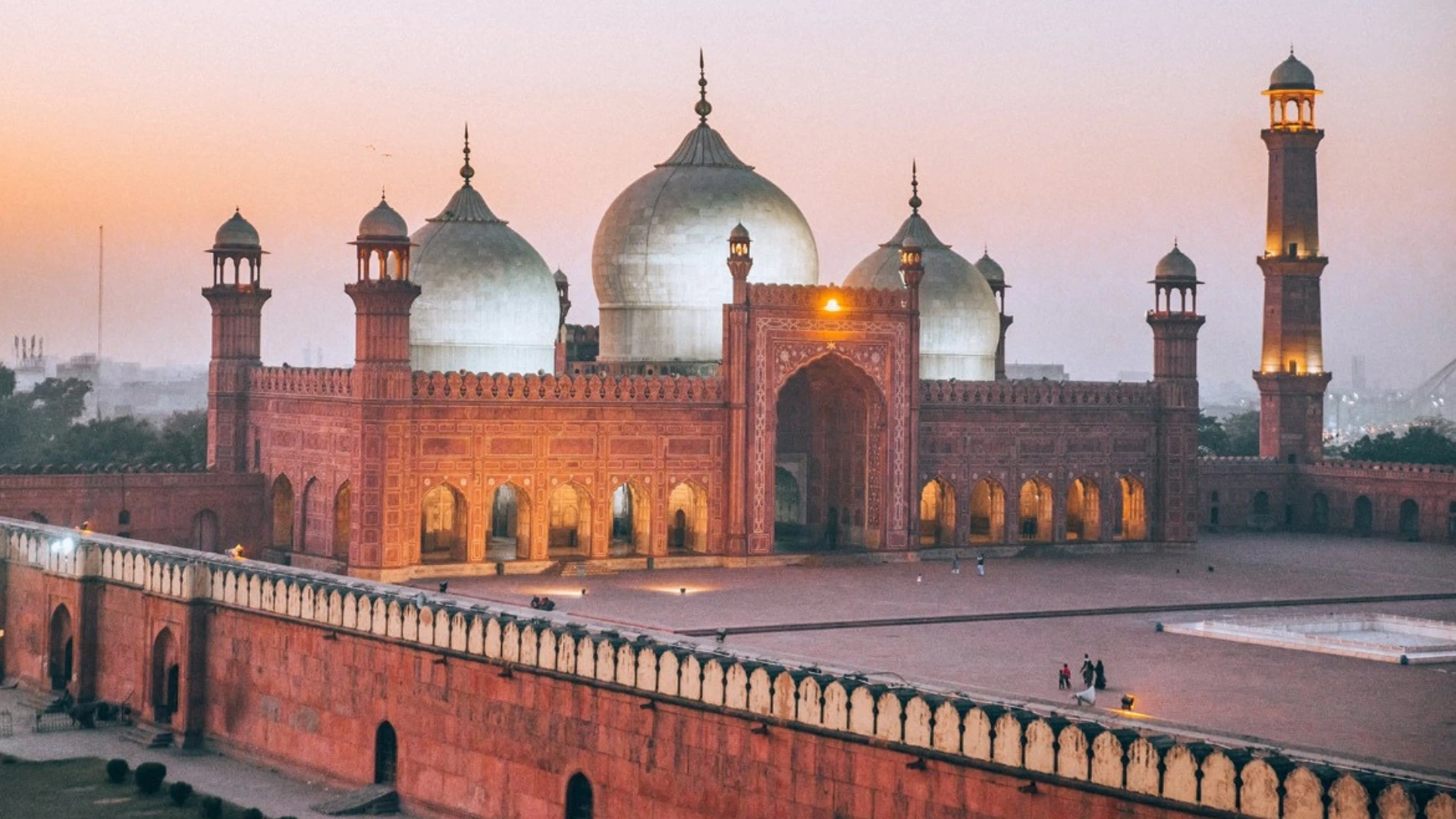
As the famous Punjabi saying goes,
“Jinne Lahore nai vekheya, o jameya nai.”
And honestly, it makes sense the moment you step into Lahore. The streets, the buildings, the history, everything feels alive.
Every place has its story; starting with the beauty of Badshahi Mosque to the power of Lahore Fort. You don’t need to be an expert to notice it. You just feel it.
That is what makes architecture in Lahore so special. It is simple, powerful, and full of history at the same time.
Evolution of Architecture in Lahore
Lahore’s architecture did not develop overnight. It evolved over centuries.
The city turned into a place of grand design in the Mughal period. The red sandstone and marble were used to construct massive forts, mosques and gardens that were centered on symmetry and beauty.
The Sikh era introduced restoration and certain modifications in the structures of existing buildings.
Lahore experienced the emergence of colonial architecture under British rule. The construction of the buildings was done with bricks, with arches, towers, and Gothic influences.
Today, modern Lahore has urban development in terms of modern designs, combining functionality and aesthetics.
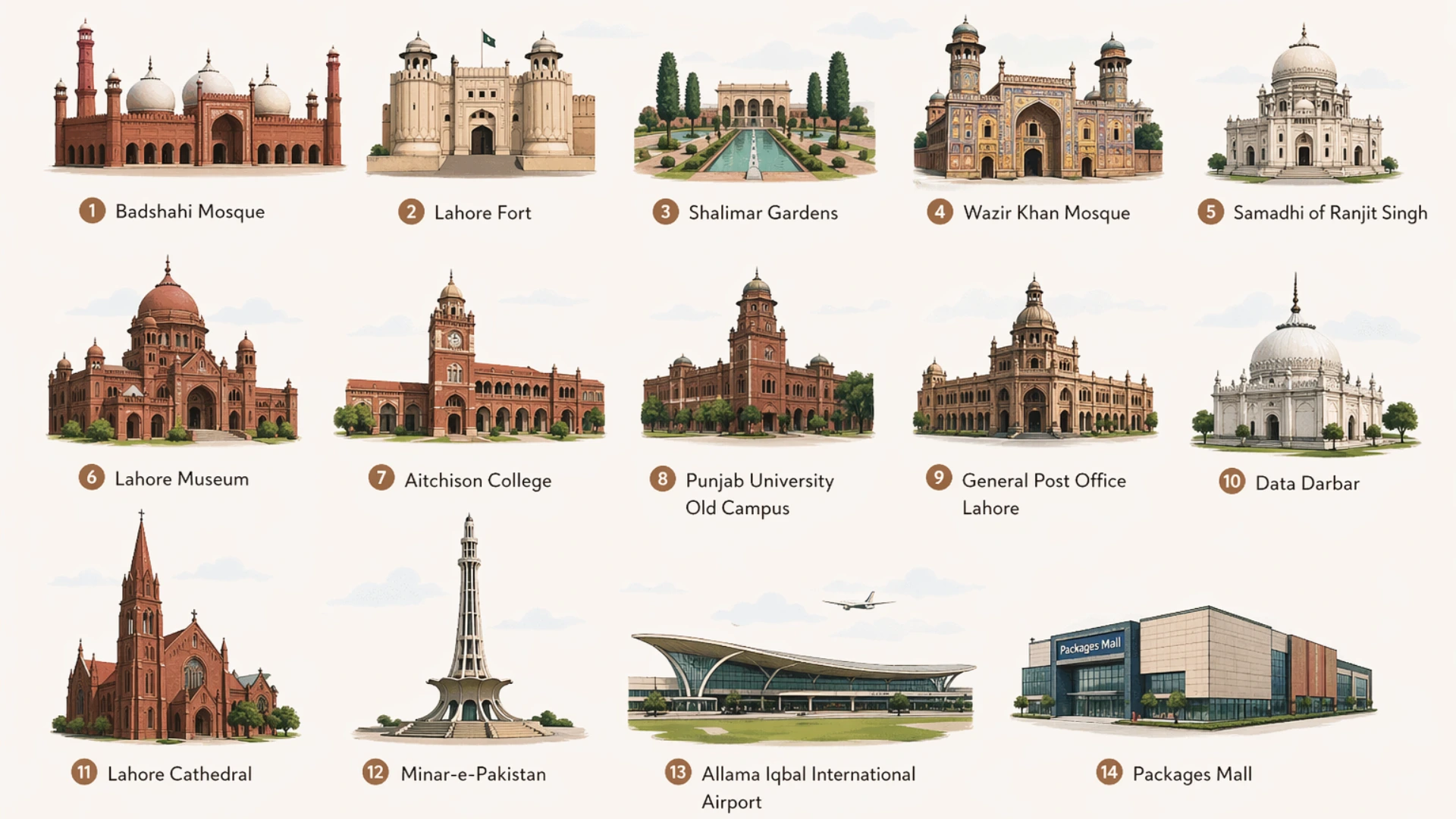
Top Architectural Landmarks in Lahore
Badshahi Mosque
A masterpiece of Mughal architecture known for its grand scale, red sandstone exterior, and stunning marble domes.
Lahore Fort
A historic fort showcasing a blend of Mughal, Sikh, and later influences within its massive walls.
Samadhi of Ranjit Singh
A unique structure blending Sikh and Mughal architectural elements.
Lahore Museum
A colonial-era building reflecting Indo-Saracenic design with strong cultural significance.
Aitchison College
Known for its elegant colonial architecture and historic academic environment.
Punjab University Old Campus
A classic example of British-era educational architecture with structured design.
General Post Office Lahore
A symbol of colonial administrative architecture with strong and balanced structure.
Data Darbar
One of the most important spiritual sites, combining traditional and modern Islamic design.
Lahore Cathedral
A beautiful representation of Christian architectural style with a peaceful presence.
Minar-e-Pakistan
A national monument symbolizing independence, blending modern and Islamic design.
Allama Iqbal International Airport
A modern structure reflecting contemporary architectural planning and functionality.
Packages Mall
A modern commercial space representing urban architectural development.
Mughal Architectural Landmarks in Lahore
The Mughal period is the golden epoch in structure in Lahore. These buildings are characterised with the aid of length, elaboration, and artistry.
Badshahi Mosque
This mosque was constructed inside the 17th century and is certainly one of the most important inside the global. Its huge courtyard, marble domes and crimson sandstone outside are harking back to the majestic Mughal design. It remains an icon of non secular, architectural excellence.
Lahore Fort
Also known as Shahi Qila, this fort is a UNESCO World Heritage Site. It is an amalgamation of various architectural styles in its building, palaces, halls as well as ornamental aspects that demonstrate the Mughal artisanship.
Shalimar Gardens
These gardens are landscape gardens of the Mughal. They were designed in terraces, flowing water and symmetry, and this embodies the right aggregate of nature and structure.
Wazir Khan Mosque
This mosque is a masterpiece in ornamental art, acknowledged to be particular in terms of the tile work and frescoes. Precision and creativity is clear in every inch of the shape.
Sikh and Pre-Colonial Architectural Influence
Lahore had passed through modifications within the Sikh regime following the Mughal era. This era was more involved with conservation and renovation of the present buildings.
Samadhi of Ranjit Singh
This vicinity portrays an amalgamation of Sikh and Mughal structure. The patterns combined in this period may be considered in its dome and ornamental characteristics.
British Colonial Architecture in Lahore
The new language of structure was added to Lahore via British rule. The architectural paintings of this period became centered around sturdiness, functionality and European style.
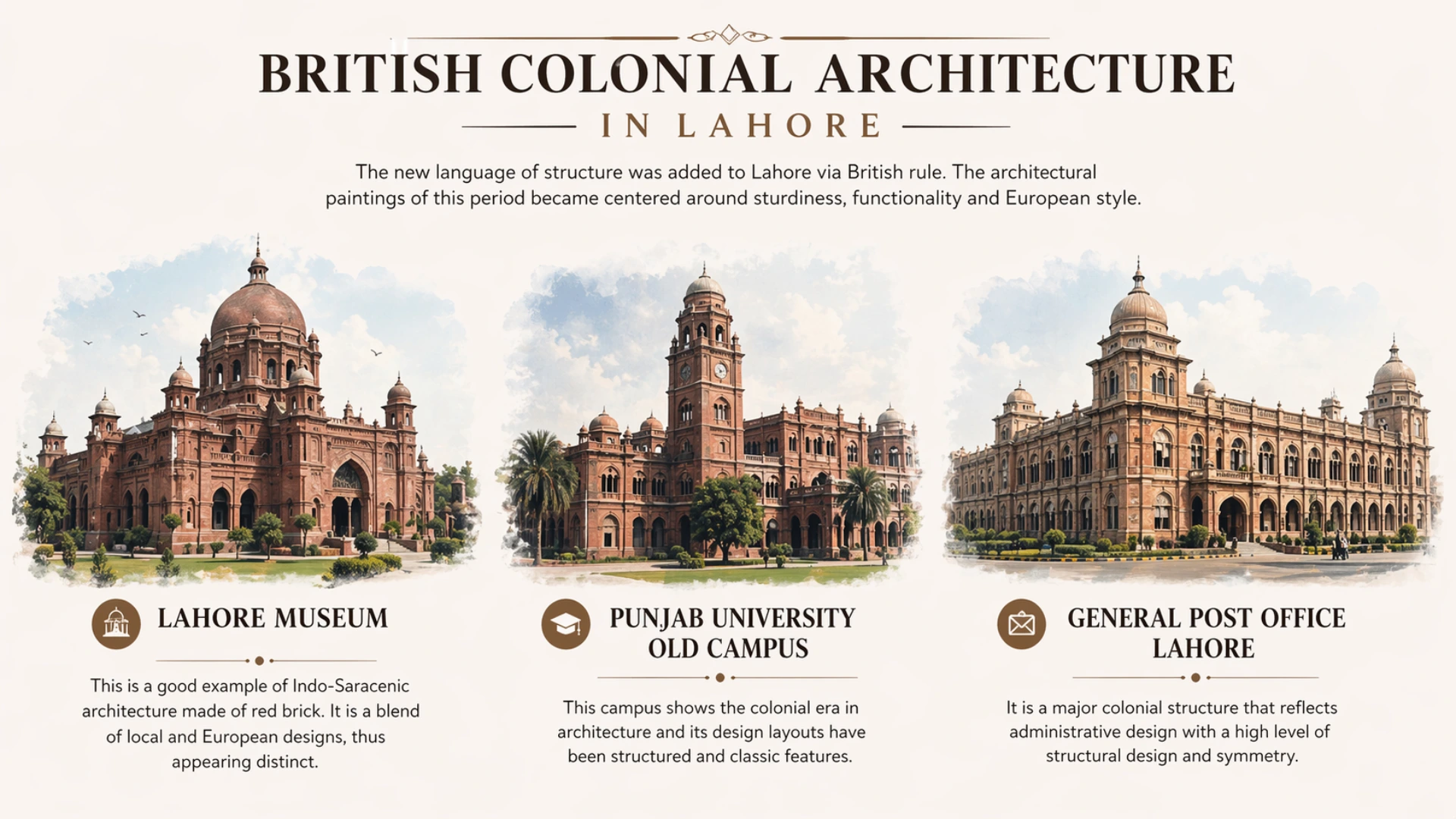
Lahore Museum
This is a good example of Indo-Saracenic architecture made of red brick. It is a blend of local and European designs, thus appearing distinct.
Punjab University Old Campus
This campus shows the colonial era in architecture and its design layouts have been structured and classic features.
General Post Office Lahore
It is a major colonial structure that reflects administrative design with a high level of structural design and symmetry.
These monuments are tourist attractions, promote cultural heritage and inspire contemporary architecture. A number of these places are known internationally, such as those under UNESCO protection, making them significant worldwide.