
 Contact Us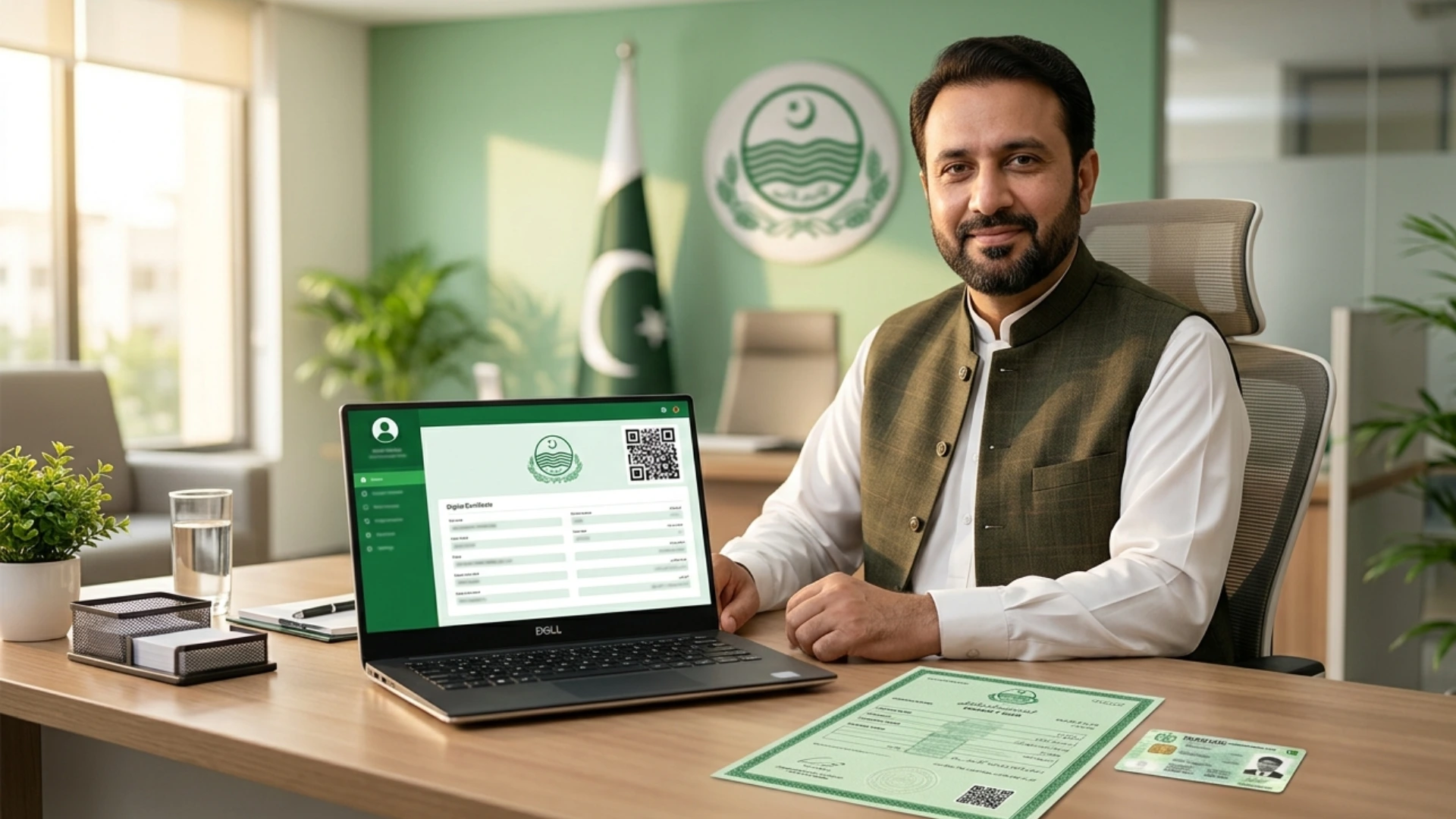
Imagine spending your entire life savings on a plot in Lahore. You get the papers. You get the Card. You celebrate. And right after three months, someone else comes up at your place with papers that say the land is theirs too.
Strange? We know right. But in Pakistan's property market, this kind of horror story has been a reality for thousands of families. Fake documents, forged Cards, double-selling, these weren't rare cases. They were almost expecting the risks of buying property.
That is, until now.
The Govt Green Property Certificate is here, and it is quietly changing the rules of the game for every buyer, seller, and property owner across Punjab. If you own land, plan to buy, or are managing property from abroad, this is the one reform you absolutely need to understand right now.
What Is the Govt Green Property Certificate?
The Punjab Green Property Certificate is an official digital document issued by the Punjab Government to confirm legal ownership of property. It replaces traditional paper ownership records with a secure electronic format that can be verified online anytime, anywhere.
Think of it as your property's verified identity card. Not just proof that you "claim" ownership, but a government-backed, digitally signed, QR-coded confirmation that the property is legally yours, its boundaries are clear, and there are no hidden disputes lurking underneath.
According to the new policies, land and property transfers will be carried out through the Green Property Certificate, which will serve as proof of ownership, and possession. This is a significant upgrade from the old Card, which only confirmed ownership rights but said nothing about possession, legal disputes, or loan eligibility.
In short, the old Card told you "someone owns this." The Green Property Certificate tells you "this person owns it, possesses it, and it is legally clean."
Why Pakistan Needed This Reform
Pakistan's real estate market has long been one of its most valuable but most vulnerable sectors. Common frauds include illegal land grabbing by mafias, fake listings, and double-selling of the same plot. For decades, buyers relied heavily on manual paperwork, middlemen, and the goodwill of patwaris to close a deal safely. That system had serious cracks and common frauds too.
The result? Years of court battles, financial loss, and broken trust in an otherwise booming property sector.
The government's response has been to go digital, go transparent, and go verified. The Green Property Certificate is the centerpiece of that response.
For more on how Pakistan's property laws are evolving, the Punjab Land Records Authority (PLRA) maintains an up-to-date official portal where citizens can access land services and track policy updates.
What Makes It Different from the Old Card?
This is the question most property owners are asking. The Card has been around for generations. Why replace it?
The Card is the document that only proves someone has property ownership rights and not the possession of property, nor is it sufficient proof for getting a loan, or proof that the property doesn't have any legal issue. But the Green Certificate fulfills all these rights.
Here is a clearer picture of what changes:
The Old Card:
Confirmed basic ownership rights only
Could be forged with relative ease
Did not verify possession or physical boundaries
Not accepted as sufficient proof for bank loans
Gave no information on legal status or disputes
The Green Property Certificate:
Confirms ownership AND possession
Digitally signed and QR-verified by the Punjab government
Marks exact plot boundaries to prevent encroachment
Accepted for bank mortgage and loan applications
Linked to NADRA for biometric identity verification
Provides a real-time online verification option
The system uses both a digital audit and a manual verification. PLRA digitally verifies the property ID with provincial data to ensure ownership and tax information is consistent. Officials also physically verify land boundaries to ensure the land matches the records. This dual-layer approach is specifically designed to eliminate "paper-only" frauds where a single plot is sold to multiple buyers using forged documents.
Where Is It Being Rolled Out Right Now?
The Green Property Certificate rollout is happening in phases across Punjab. The digital-style certification system is already live in Sialkot, Multan, Sahiwal, and Jhelum, with Rawalpindi, Okara, Khushab, and several other districts also covered in the first rollout.
The Punjab government has announced that the Green Property Certificate will become mandatory for all property transactions across the province from July 2026. Sahiwal has already been designated as the pioneer district where the system is mandatory from May 1, 2026. Officials plan to extend the new system to Lodhran, Hafizabad and the rest of the province by December 2026.
What this means practically: if you are buying, selling, or transferring property in Punjab, you will soon need this certificate to complete any legal transaction. The traditional Card system is being officially retired.
How to Apply for the Green Property Certificate: Step by Step
The process has been designed to be accessible for everyone, from tech-savvy urban residents to those in rural areas. Here is how it works, according to the Pakistan Observer's official step-by-step guide:
The citizen visits their nearest Arazi Record Center (ARC). After a token is issued, the Service Center Official begins the process for the Green Property Certificate. Property details are provided and the required fee is paid at the ARC's Bank of Punjab counter or via online payment methods (e-Pay). The citizen's original CNIC is checked and biometric verification is conducted via NADRA.
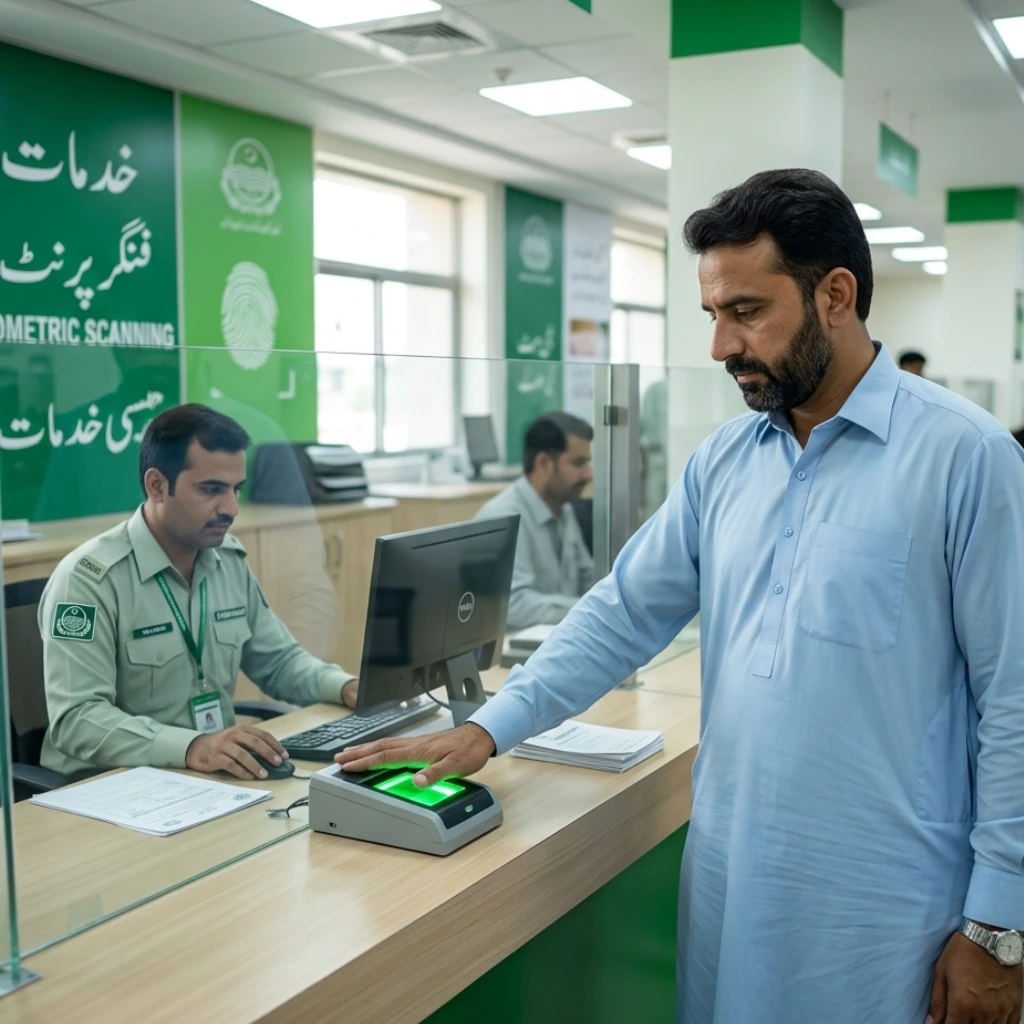
After these initial steps, the process moves through field verification:
Two neighboring property owners, whose records already exist in the PLRA system, verify the citizen's ownership and possession of the land. A Grade-17 officer or authorized revenue staff member also verifies possession in the system. Following the field survey, a 15-day public notice is issued on the PLRA website. If no objections are received within 15 days, the case moves to the final stage. An Assistant Director of Land Records reviews the case, and if there are no disputes, the possession report is verified at two levels. Once all stages are cleared, the property is given "Green Status" and the certificate is issued.
You can also apply or verify through the official PLRA online portal.
Simply go to the "Certificate Verification" section, enter your CNIC or property number, and retrieve your ownership details. The fee is approximately PKR 950, making it accessible for most citizens.
What the Certificate Actually Contains
Once issued, the Green Property Certificate is a comprehensive document that goes well beyond what any manual Card could offer.
The certificate provides complete details from the owner's verified CNIC and property registry number to location data, all digitally stored and accessible online. Each certificate contains a QR code that can be scanned by anyone to confirm the property's authenticity.
Key features baked into the certificate include:
Unique QR Code that verifies real-time ownership data when scanned
Digital Signature by PLRA ensuring authenticity
NADRA-linked biometric verification of the property owner
Exact boundary markings of the plot
Tax clearance confirmation showing all dues are paid
Legal status confirming no ongoing disputes
Cloud-based storage under government control, tamper-proof and permanent
A remarkable achievement of this initiative is that 485 years of historic land records have been successfully digitized. This massive digital transformation covers millions of property files across all districts of Punjab, ensuring that no property record will ever be lost or tampered with again.
What This Means for Overseas Pakistanis
If you are managing property from abroad, this reform is arguably the most important development in Pakistani real estate in decades. PLRA allows overseas Pakistanis to verify ownership, obtain Card, and perform land transactions remotely via digital platforms and MOFA embassies.
With the Green Property Certificate, you no longer have to rely on a caretaker's word or a cousin's visit to make sure your property is safe. You can scan a QR code from anywhere in the world and instantly verify whether the ownership details on record match what they should be.
For overseas Pakistanis or those living in cities like Multan and Lahore, the fear of losing life savings to a property scam is real. The Green Property Certificate acts as a shield for the buyer and a badge of authenticity for the seller.
Platforms like Gharhub are already aligned with this new era of verified property dealings, helping buyers and overseas investors find listings and navigate Pakistan's property documentation requirements with clarity and confidence.
Will It Affect Property Buying and Selling?
Yes, and significantly. Only verified properties will enter the market, giving confidence to both investors and property agents promoting genuine listings. Registered housing projects that align with government property reforms gain a reputation for reliability. Agents can now promote verified property documents, increasing trust among clients.
For sellers, having a Green Property Certificate signals trustworthiness. It is becoming the new gold standard for serious property transactions in Punjab, similar to how buyers expect a verified listing badge on a credible platform.
The new Punjab Protection of Ownership Ordinance (2025) targets land grabbing: it makes obtaining or retaining land without a legal title a criminal offence punishable by 5 to 10 years in prison. The Green Certificate is part of this broader legal environment that is finally giving property rights real teeth.
Concerns regarding this program:
Can I still use my Card after the rollout?
In pilot districts like Sahiwal, the Card has been officially suspended for property transactions. The Green Property Certificate and property reports issued under the Punjab PLRA Regulations 2025 shall constitute the sole valid documents for land record transactions within the territorial jurisdiction of Sahiwal. Other districts will follow a similar path.
How much does it cost?
The standard government fee is PKR 950. A concessional fee was offered during the early adoption window.
Can overseas Pakistanis apply?
Yes, they can apply online using their NICOP through the digital portal.
What You Should Do Right Now
If you own property in Punjab, here is what matters most:
Check whether your district is live.
Apply early. Do not wait for the mandatory deadline in your district. Early adoption comes with lower fees and shorter processing queues.
Gather your documents. You will need your original CNIC, a copy of your existing Card, and your CNIC-registered mobile number.
Verify your existing property. Even if you are not planning to sell, getting your certificate ensures your ownership is locked, secured, and protected from encroachment or fraudulent transfer.
If buying property, always ask for the seller's Green Property Certificate before any advance payment.
Gharhub's property advisors can walk you through what verified documentation should look like for any listing, helping you stay informed and protected whether you are buying your first home or adding to an investment portfolio.
Final Thoughts
Pakistan's property sector has always had potential. What it has lacked is trust. The Govt Green Property Certificate is the most meaningful step toward building that trust in recent memory.
It will not fix everything overnight. But for the first time, millions of property owners have a document in their hands that the government stands fully behind. A document that a bank, a court, or a buyer can verify in seconds. A document that makes fraud significantly harder and ownership significantly clearer.
If you are serious about property in Pakistan, whether buying, selling, investing, or simply protecting what you already own, understanding this certificate is no longer optional. It is essential.