 Contact Us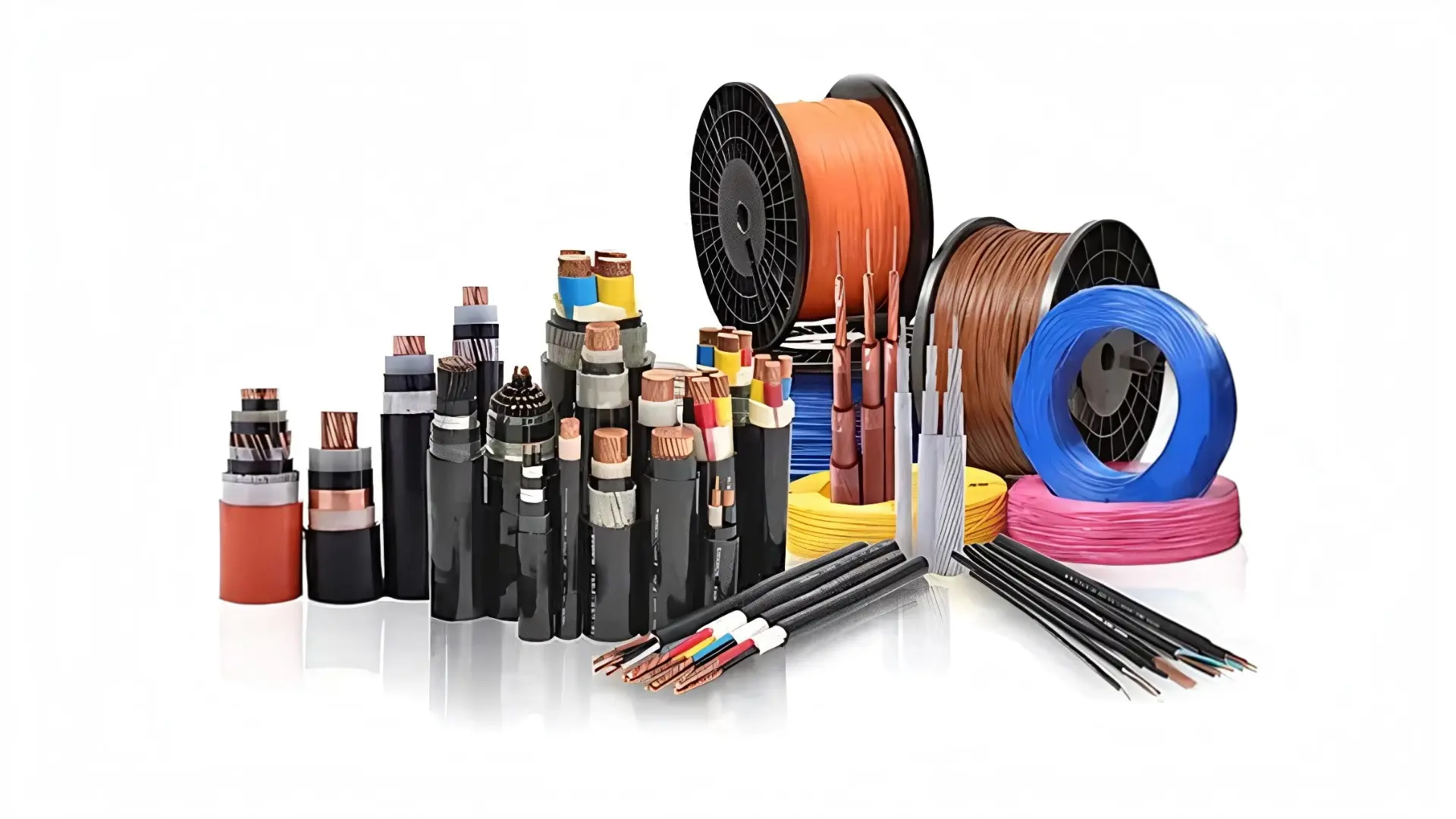
It may appear easy to purchase a cable, since all one needs to do is select the right size, brand, price, and then buy.
However, what happens when the cable is to be used for purposes like an air conditioner, geyser, main power cable, or even an entire house? The cable that could work fine with a phone charger will not be able to function in the same manner as a cable used for the purpose of wiring a house.
Two cables that are of the same size can still differ in performance if their conducting material, insulation, construction, and quality vary. Therefore, it may be useful to know what one is paying for when purchasing a cable.
In this guide, we will explore various kinds of cables in Pakistan, their use, wire size, cable brands, pricing of cables, and important factors to consider when purchasing a cable.
What is a Cable?
A cable is a conductor, or a group of conductors, covered with insulation and protective material. The conductor carries electricity or signals. Copper and aluminum are two common materials used for conductors.
The outer insulation has an important job too. It helps protect the conductor from moisture, heat, physical damage, and accidental contact.
Depending on its design, a cable can be used to carry:
Electrical power
Internet data
Television signals
Telephone signals
Audio
Video
Digital information
Why Choosing the Right Wiring Matters
What if you run an excessively high load on the same wire that was installed for a far smaller load? There might be overheating, which is certainly not desired in a household or commercial building. Therefore, cable selection is both about establishing an electrical connection and about ensuring safe and efficient operation of the system.
Cable sizing depends on many factors. Some of them include anticipated load, cable length, cable installation, ambient temperature, cable grouping, material of the conductor, and the type of circuit protective device.
Voltage drop can also take place if a long cable is run. This also demonstrates the fact that relying on one's intuition and picking a "thick enough" wire will not be sufficient for cable sizing. Pakistan's PSQCA includes technical publications about electric cables and electrical installation of buildings.
Wire Size Chart for Pakistan
The final cable size should be selected after considering the electrical load, cable length, installation conditions, temperature, cable grouping, and breaker rating. Pakistan's NAVTTC electrical training material also uses both metric and traditional imperial cable sizing. You may still see sizes such as 3/0.029 and 7/0.029 alongside metric sizes such as 1.5 mm², 2.5 mm², 4 mm², 6 mm², and 10 mm².
If you are planning residential wiring, the following chart can give you a general starting point.
Cable Size | Common Residential Use | Example |
1.0 to 1.5 mm² | Lighting and low load circuits | Lights and small fans |
2.5 mm² | Socket circuits | General room sockets |
4 mm² | Higher load circuits | AC or geyser circuits |
6 mm² | Larger dedicated loads | Selected heavy load circuits |
10 mm² or higher | Main feeds | Meter to distribution board |
Top 10 Cable Types and Their Uses
Cables are made for different jobs. Some are designed to carry electricity. Others are used for internet connections, television, sound, video, or communication.
Here are 10 cable types that you are likely to come across in homes, offices, shops, and construction projects.
1. Coaxial Cable
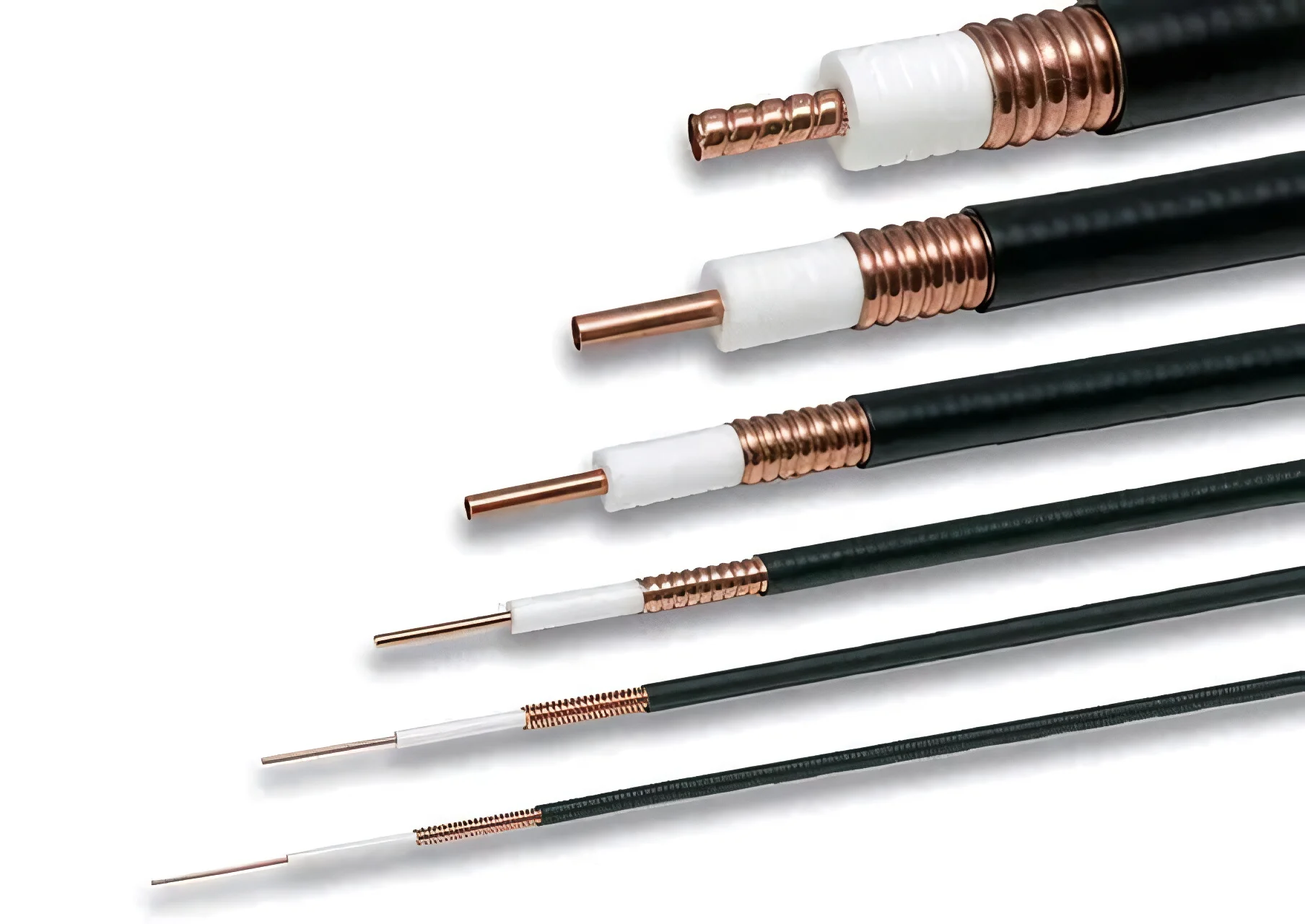
A coaxial cable has a central conductor, insulation around it, shielding, and an outer jacket. Its construction helps it carry radio frequency signals with reduced interference.
Main uses:
Cable TV
Satellite TV
CCTV systems
Antenna connections
RF communication
Some broadband systems
RG6 is one of the common coaxial cable types used for television and related applications.
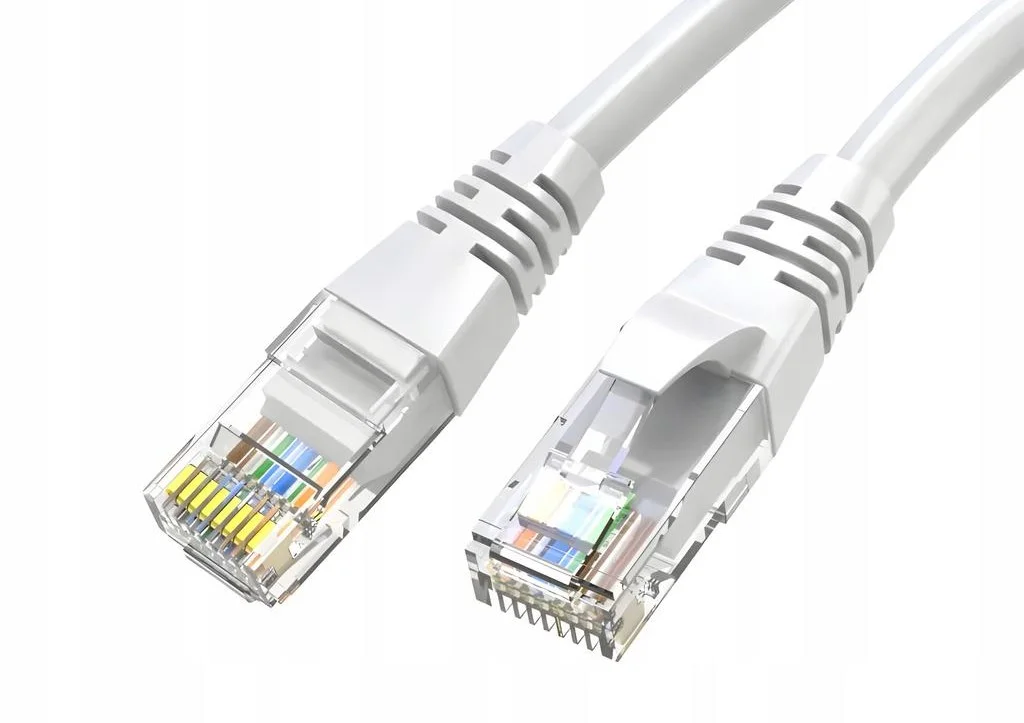
2. Ethernet Cable or Network Cable
If you have a router at home, there is a good chance you have used an Ethernet cable. These cables connect devices such as computers, routers, switches, access points, and network cameras. Cat5e and Cat6 are two common categories. Cat6 is a popular choice for new home and office network installations.
Main uses:
Home internet networks
Office networks
CCTV cameras
Routers
Network switches
Servers
Smart devices
3. Fiber Optic Cable
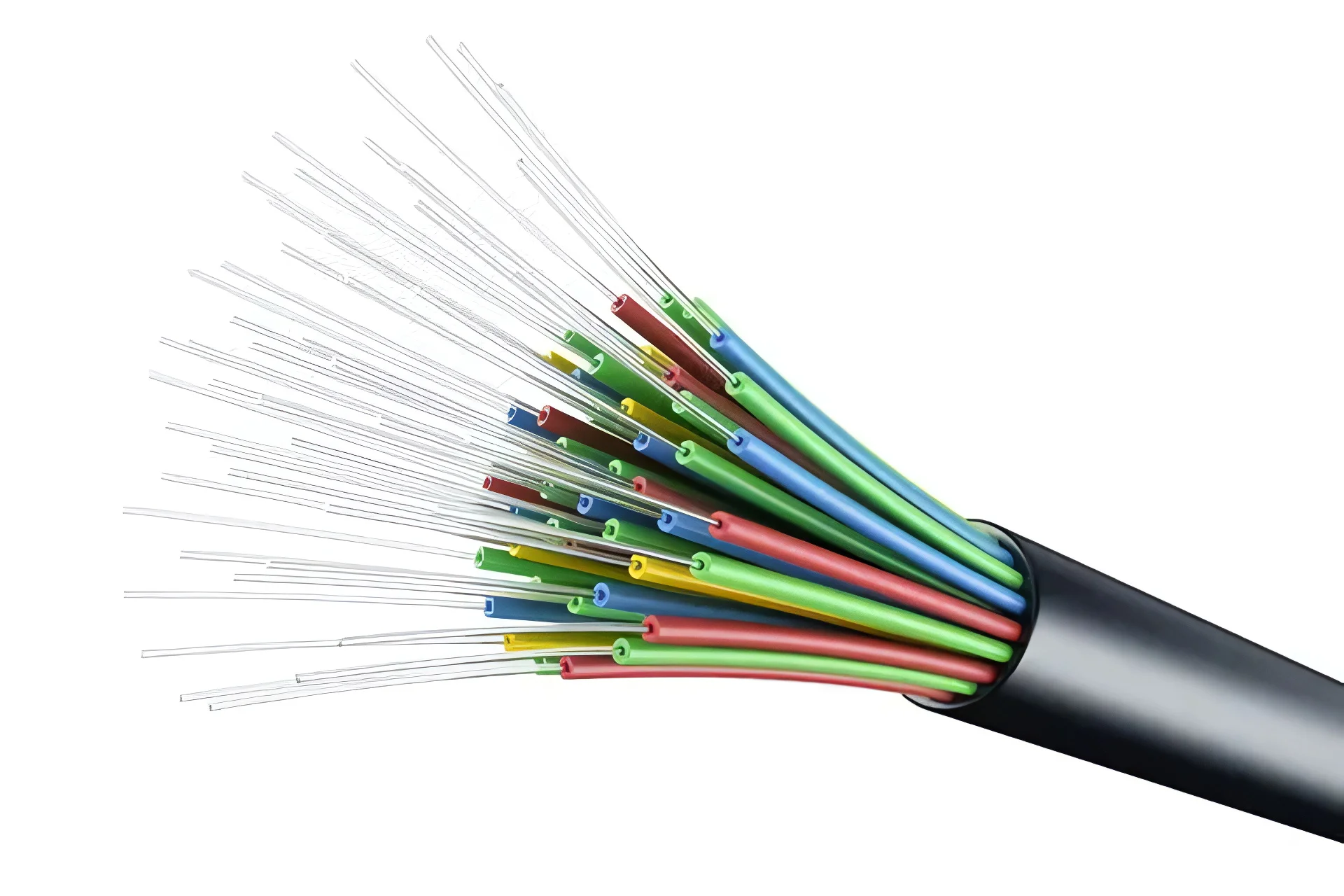
Fiber optic cable works differently from copper cable. Instead of using electrical current to carry data, it uses light. Fiber optic cable is also less affected by electromagnetic interference than copper cable.
That makes fiber particularly useful for fast data transmission and long-distance communication.
Main uses:
High-speed internet
Telecommunications
Data centers
Long-distance networks
Fiber to the home
Commercial networks
4. Power Cable
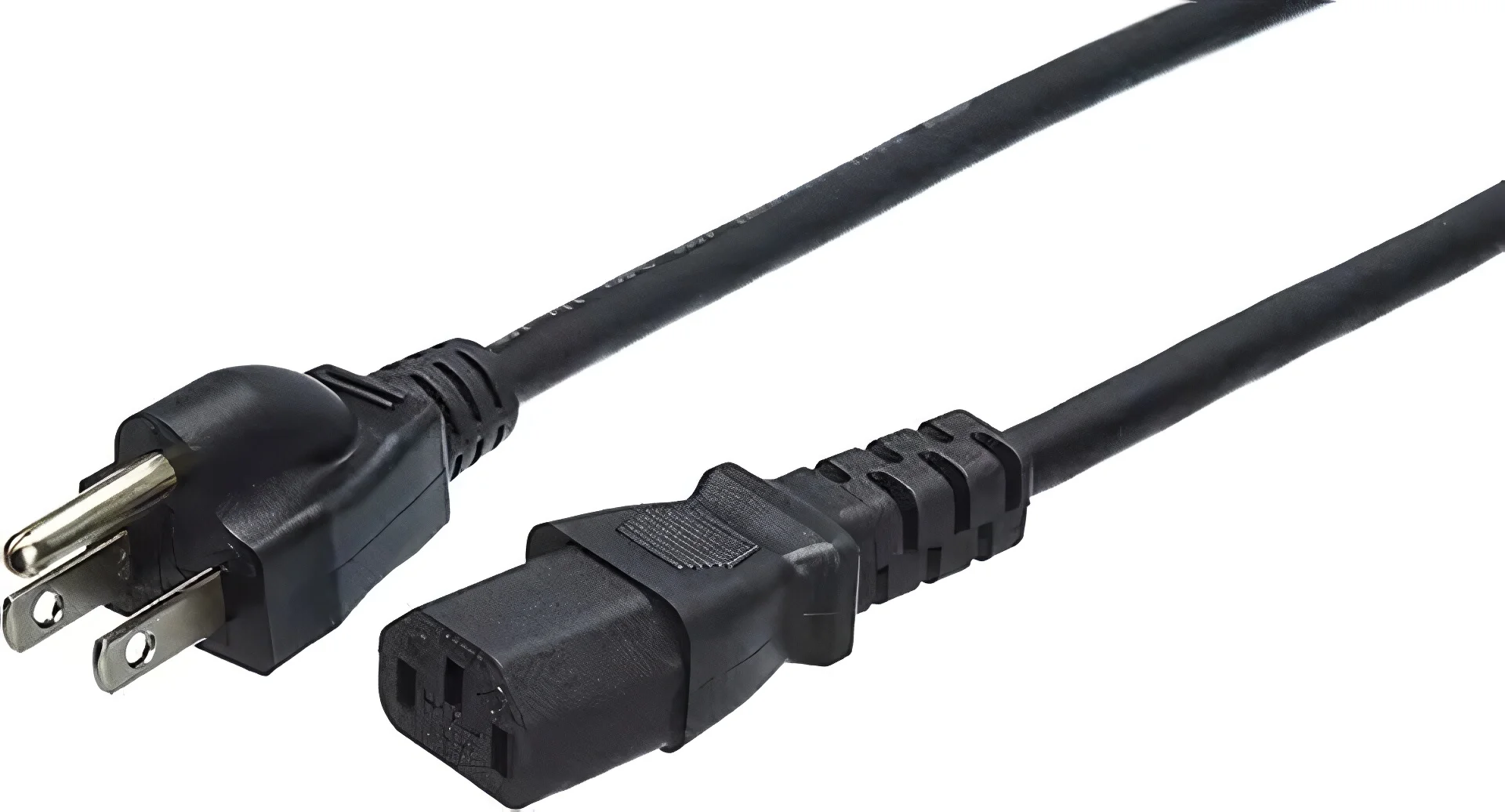
Power cables are made to carry electrical power. Power cables can be single-core, multi-core, flexible, armored, or designed for particular voltage levels.
Some are intended for buildings. Others are designed for industrial equipment or electrical distribution.
Main uses:
House wiring
Commercial buildings
Industrial equipment
Electrical distribution
Generators
Electrical panels
Heavy machinery
5. HDMI Cable
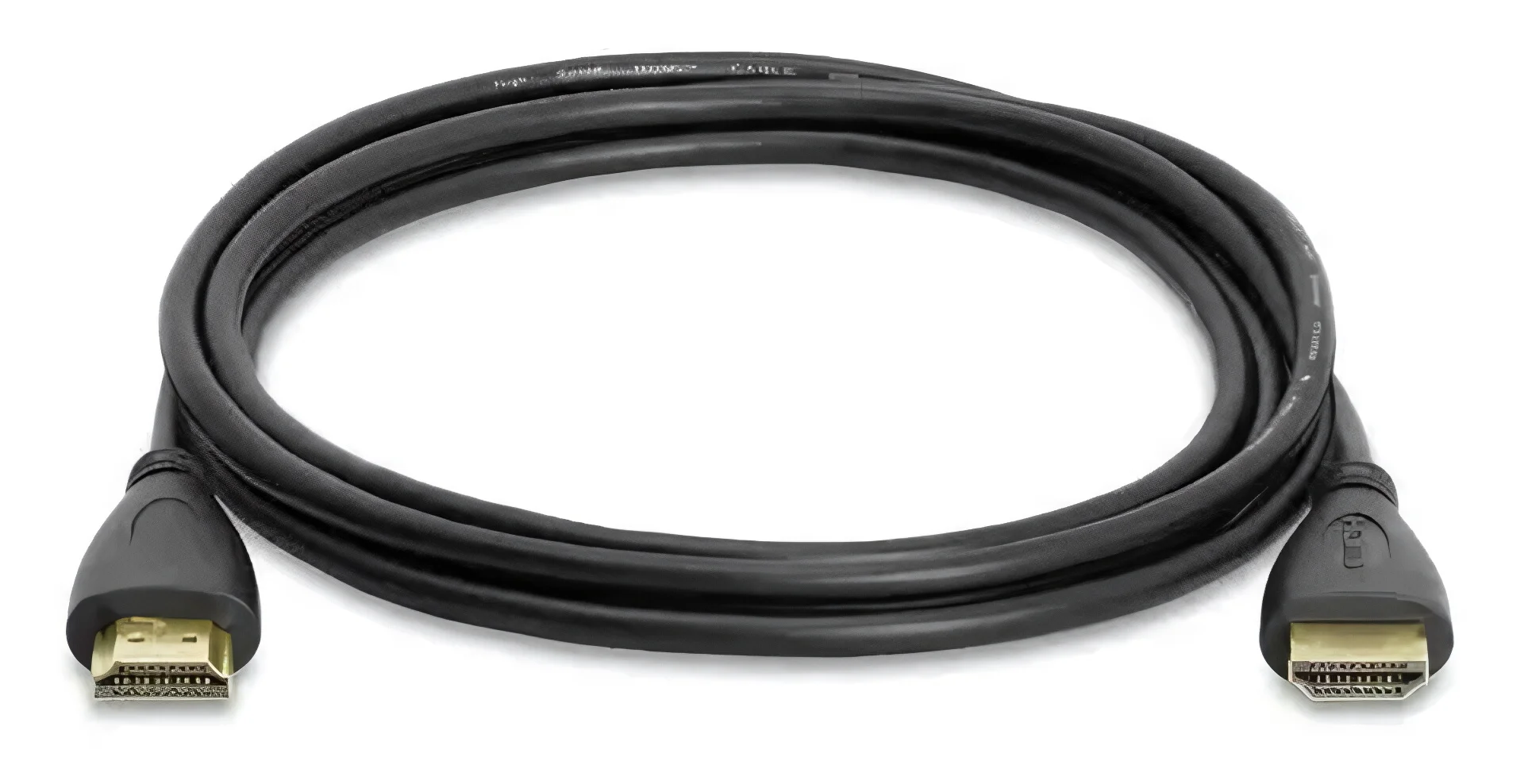
HDMI stands for High-Definition Multimedia Interface.
It is used to transfer digital video and audio between compatible devices.
Main uses:
TVs
Gaming consoles
Computers
Projectors
Streaming devices
Home theater systems
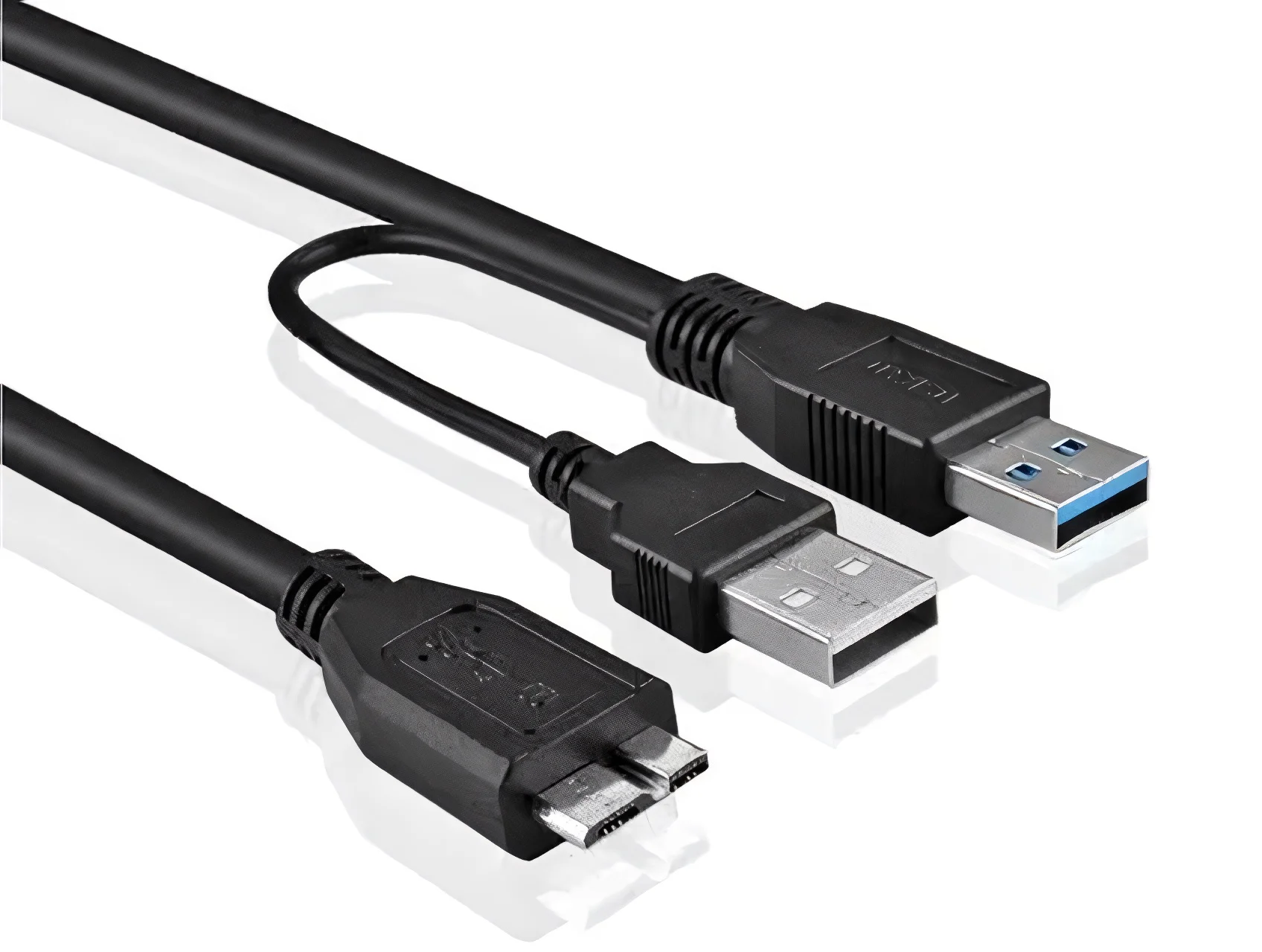
6. USB Cable
USB cables are used for both data transfer and power. USB cables come with different connector types, including USB-A, USB-C, Micro USB, and older Mini USB connectors.
USB-C is now common in many newer phones, tablets, laptops, and accessories.
Main uses:
Mobile phones
Computers
Printers
External storage
Keyboards
Mice
Cameras
Charging devices
 7. Audio Cable
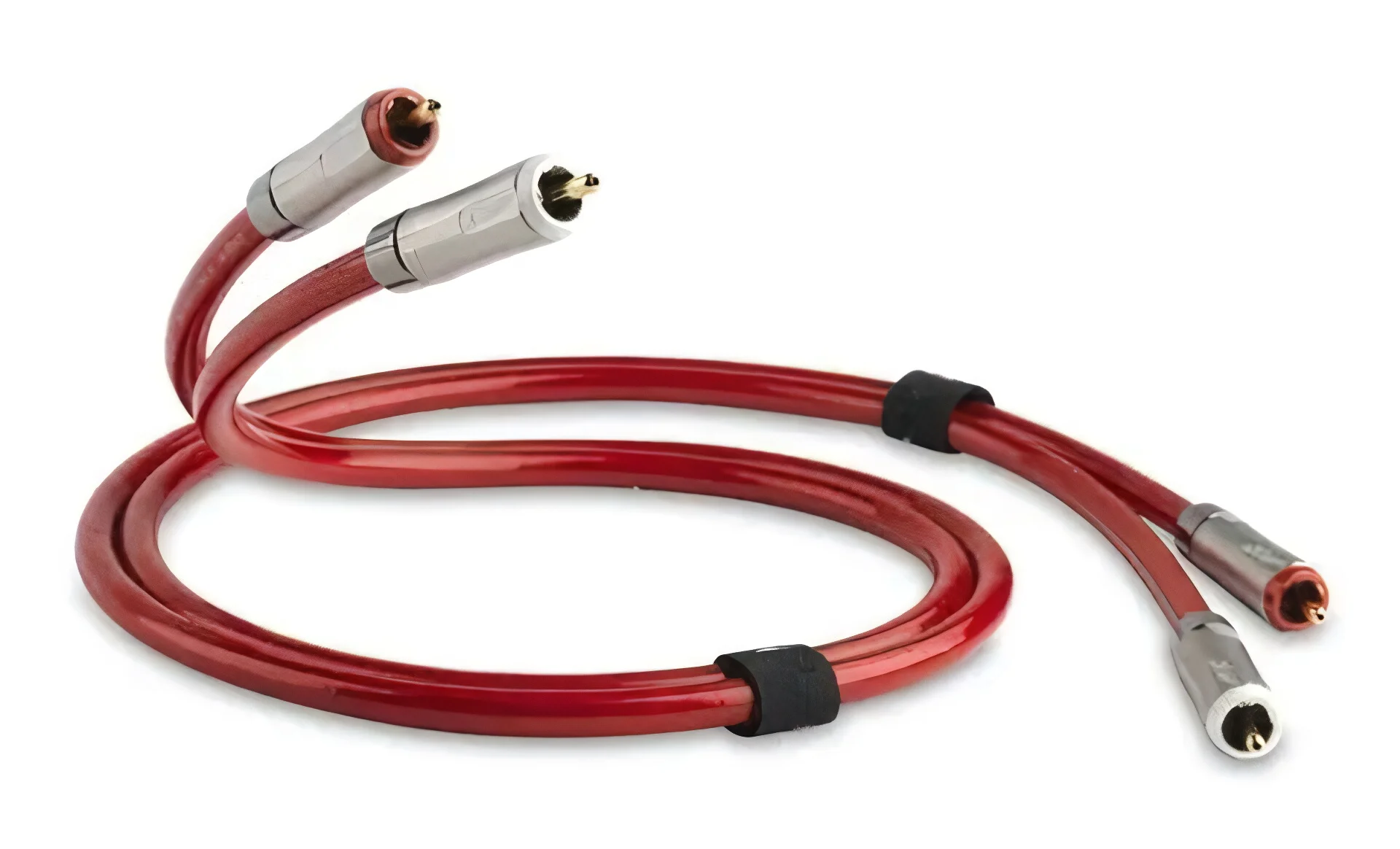
Audio cables transfer sound signals between devices.
The connector you need depends on the equipment. Common examples include 3.5 mm, RCA, and XLR connectors.
Main uses:
Speakers
Headphones
Microphones
Amplifiers
Mixers
Home theater systems
Professional recording equipment
 8. Telephone Cable
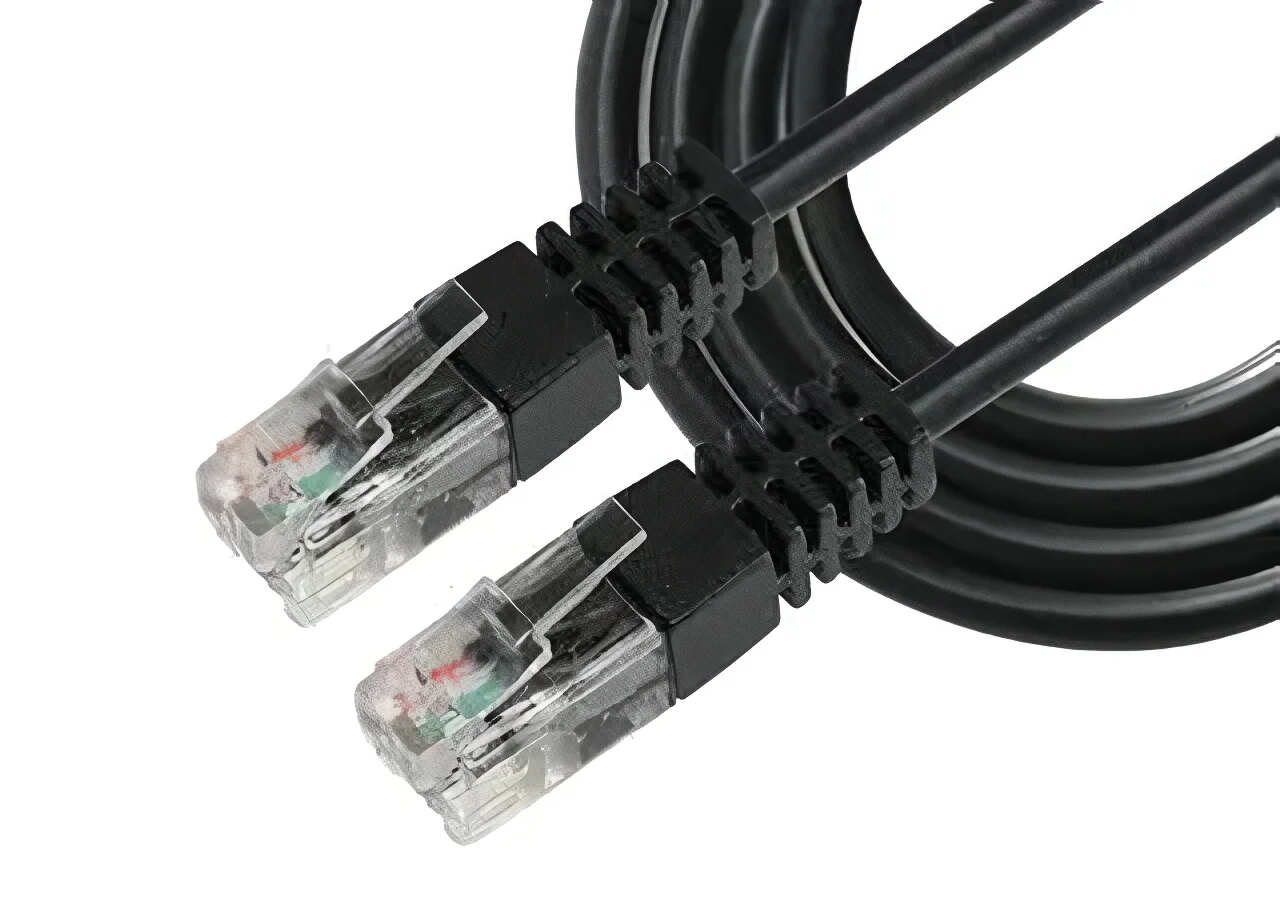
Telephone cables are used to carry voice and other communication signals.
Although mobile phones have changed the way we communicate, telephone cables are still found in some homes, offices, PBX systems, intercom systems, and older communication networks.
Main uses:
Landline phones
Office telephone systems
PBX systems
Intercom systems
Communication installations
Top 10 Cable and Wire Brands in Pakistan
There are many cable manufacturers and suppliers operating in Pakistan. A good brand is useful, but the individual product still matters. You should look at its conductor, size, insulation, standard, construction, testing, and intended application.
The Competition Commission of Pakistan has identified several established manufacturers within the formal cable market. Here are some established names that buyers may come across.
1. Pakistan Cables, established in Karachi in 1953.
2. Fast Cables, Lahore
3. Newage Cables, established in Lahore in 1956.
4. A.G.E. Cables, operating from Peshawar since 1968
5. Universal Cables, operating from Karachi since 1978.
6. Allied Cables, Lahore, since 1981.
7. GM Cables and Pipes, Lahore
8. Pilone Cables, Lahore
9. CopperGat Cables, Lahore.
10. Merit Cables, Lahore
Comparison Table:
Brand | Suitable For |
Pakistan Cables | Residential to industrial |
Fast Cables | Residential, commercial, industrial |
Newage Cables | General and industrial use |
A.G.E. Cables | General and regional projects |
Universal Cables | General electrical work |
Allied Cables | Building projects |
GM Cables | Construction projects |
Pilone Cables | Residential and commercial |
CopperGat | Electrical and solar projects |
Merit Cables | Residential wiring |
Cable Price in Pakistan
If you are looking for cable prices in Lahore, you will notice something quickly: prices can change. There is no single rate that applies to every cable.
The final price can depend on the conductor material, cable size, amount of copper or aluminum, number of cores, insulation, brand, cable length, market conditions, and dealer margin.
Cable Price Benchmark
The following examples are for 90-meter coils:
Cable Size | Example 90m Registered Price |
1 mm² solid | PKR 6,400 |
1.5 mm² solid | PKR 9,475 |
1.5 mm² stranded | PKR 9,920 |
2.5 mm² solid | PKR 15,450 |
2.5 mm² stranded | PKR 15,830 |
4 mm² | PKR 23,645 |
6 mm² | PKR 35,135 |
10 mm² | PKR 60,735 |
16 mm² | PKR 90,875 |
25 mm² | PKR 141,300 |
Why Do Cable Prices Differ?
If two cables look similar but have very different prices, several things may be responsible.
The main factors include:
Conductor material
Cable size
Copper content
Number of cores
Insulation type
Cable length
Brand
Applicable standard
Current metal prices
Dealer margin
Generally, a larger conductor requires more metal, which increases the amount of material used and therefore usually increases the price.
Related: https://gharhub.com/updated-construction-materials-pricelist
How to Choose the Best Quality Cable in Pakistan
You do not have to be an electrical engineer to make a better buying decision. Start with a few basic checks.
1. Choose the Correct Size
The conductor's cross-sectional area needs to be suitable for the electrical load.
2. Check the Conductor Material
If two cables have the same physical dimensions but use different conductor materials, you should not assume they will perform in the same way.
3. Look for the Applicable Standard
Depending on the product, you may see references to BS, IEC, or another applicable standard.
4. Pay Attention to the Insulation
Indoor wiring, outdoor wiring, industrial installations, and areas exposed to heat or moisture can have different requirements.
5. Check the Cable Length
If you are buying a coil, check its stated length.
6. Make Sure the Breaker and Cable Work Together
A circuit breaker is there to protect the electrical circuit. The breaker rating and cable size should therefore be selected together.
Related: https://gharhub.com/electrical-wires-for-house-wiring?
What Is the Best Wire for House Wiring in Pakistan?
For many residential circuits, copper single-core wire is a common choice. A basic reference guide looks like this:
Application | Common Starting Size |
Lighting | 1.5 mm² |
Fans | 1.5 mm² |
General sockets | 2.5 mm² |
Kitchen heavy loads | 4 mm² or as calculated |
AC | 4 mm² or as calculated |
Geyser | 4 mm² or as calculated |
Larger dedicated loads | 6 mm² or higher |
Main feed | 10 mm² or higher depending on load |
Conclusion
The selection would depend on the intended application of the cable.
For household wiring, copper single-core cables are the most frequently used type. Depending on the particular circuit, there can be requirements for the cable size; for example, lighting will require a smaller cable, while AC, geyser, water pump, or main power will require a bigger cable.
For networking purposes, Cat6 is a good solution in most cases. For high bandwidth and long transmission lengths, fiber optics is useful. Coaxial cables continue to be used for TV and RF applications, while HDMI, USB, audio, telephone, and charging cables are more specialized types.
Spending several minutes to verify the type, size, conductor material, insulation, standard, specifications, price, and supplier of the cable is recommended before purchase.
Frequently Asked Questions
What wire is ideal for house wiring in Pakistan?
Copper single-core cable is one of the popular types of wire used for house wiring in Pakistan.
Is it advisable to use the same wire size in the whole house?
Using only one size of cable throughout the whole house is not recommended. Electrical loads differ from circuit to circuit and from one appliance to another, like lighting, general sockets, air conditioner, geyser, water pump, and main supply.
Why is it important to choose the right wire size?
Choosing the right size of the wire ensures that it can safely carry its load. Choosing the correct cable size should always be the goal.
What is the difference between solid and stranded wire?
There is one conductor in solid wire, whereas there are several conductors in stranded wire. Stranded wire is much more flexible and is easier to bend.
For how long does the house wiring cable last?
Quality cable wire will serve for many years to come if it is chosen right, installed correctly, and properly maintained.