 Contact Us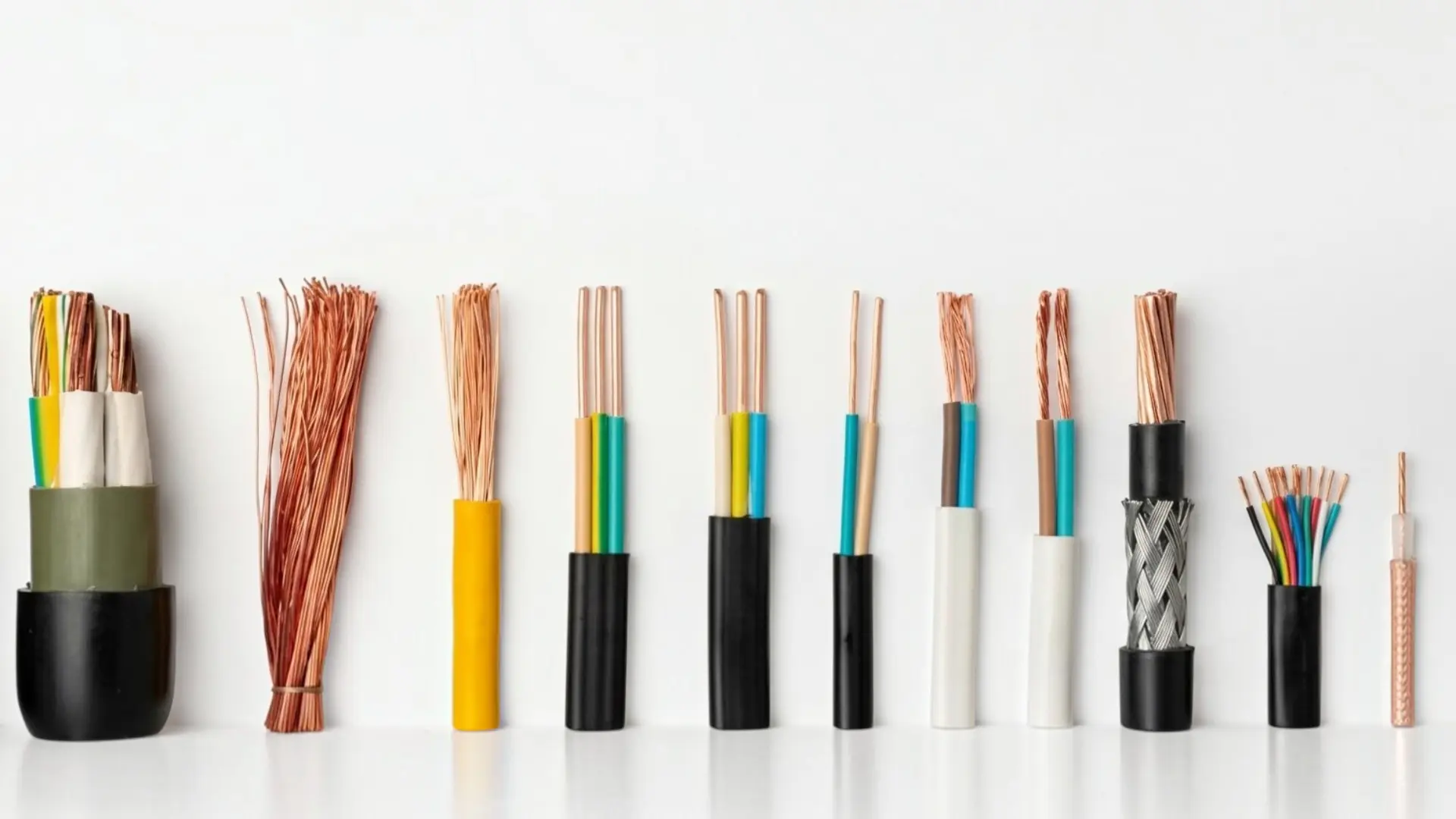
A building could have the best switches, lighting fixtures, fans, and appliances, but faulty wiring could create hazards for all of them. When electrical current passes through a thin wire, it generates heat. Poor insulation will break down. Poor conductors will increase resistance.
That is why choosing the right electrical wires in a house wiring system cannot be accomplished by finding the least expensive cable. Right cables should match the electrical load, installation type, size, conductor material, insulation, and relevant codes.
As an example, the IEC 60228 has information about the sizes and constructions of copper and aluminum conductors in power cables and cords.
What Is a Household Electrical Wire?
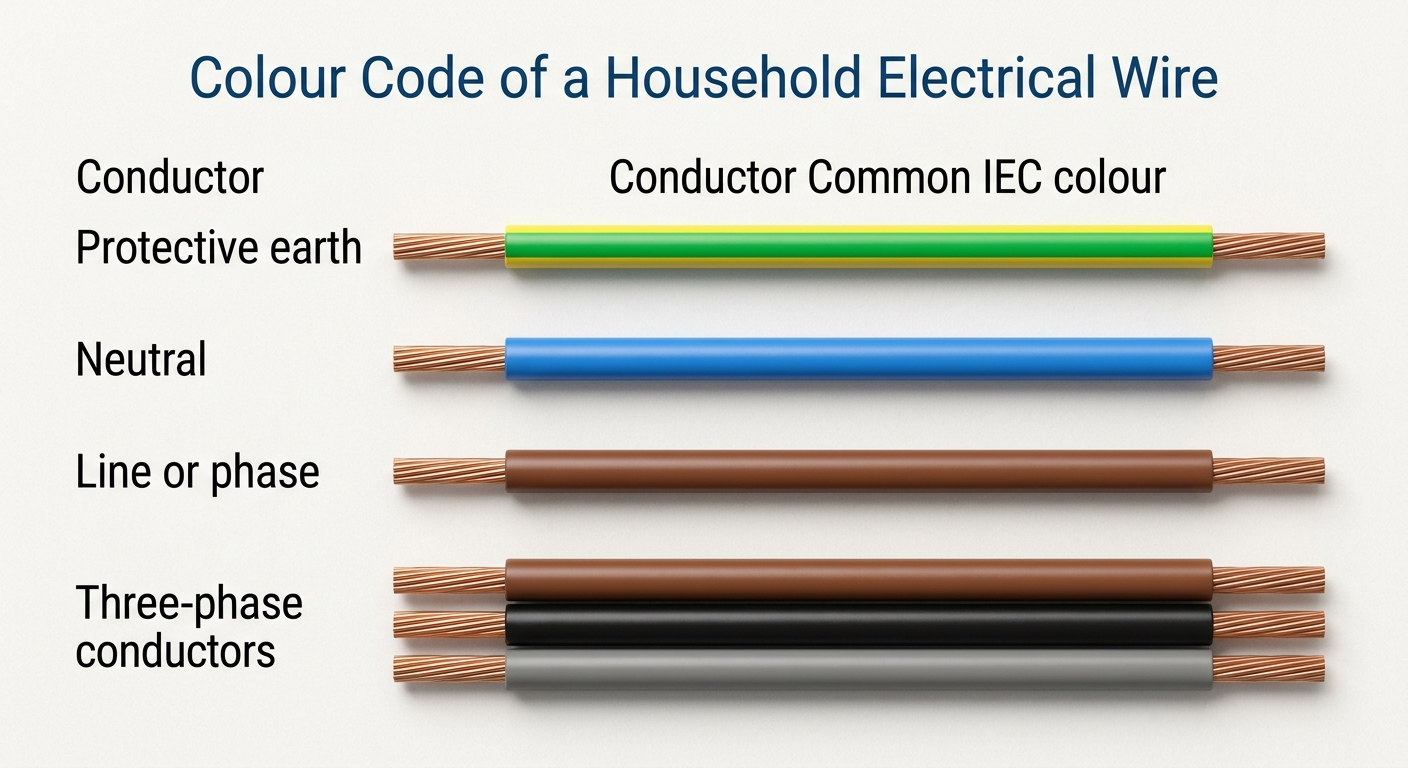
A household electrical wire is a conductor that is utilized to deliver electricity from the distribution panel to lights, outlets, switches, fans, and other electrical devices in the house.
Most household wires consist of three main components:
Conductor: It is the part of the wire responsible for conducting electricity.
Insulation: It is used to cover the conductor to avoid electric shock and short circuits.
Protection: Depending on the type of cable, some additional layers of protection might be included in order to protect the cable from moisture, heat, physical impact, and other elements of the environment.
In residential wiring, most often copper is used since it is a good conductor of electricity, and it can be produced in both solid and stranded conductors. The conductor cross-sectional area ranges between 0.5 mm² and 3,500 mm² according to IEC 60228:2023 and includes copper, aluminium, and aluminium alloy conductors. The wires should not be judged by the looks and diameter.
Copper at the Heart of Every Household Wire
Copper is one of the most widely used conductors in household electrical wiring.
Why?
It provides high conductivity, flexibility, and strength. These attributes make it appropriate for use in many circuits in homes. Copper and aluminium are two materials that may be used as conductors, but they cannot substitute for each other in all uses. Copper household wiring is often used in typical home circuits.
However, the quality of the copper must be considered. In building standards by the Pakistan Engineering Council, annealed copper conductors have been recommended for some low-tension cable uses, and conductivity has been mentioned. Additionally, PVC insulation has been specified in those particular cable uses.
Where Household Electrical Wire Is Used
Household electrical wire can be used in many parts of a residential electrical system.
Common applications include:
Lighting circuits
Ceiling fans
Wall sockets
Refrigerators
Washing machines
Air conditioners
Water pumps
Electric water heaters
Kitchen appliances
Distribution boards
General power circuits
Different appliances place different demands on a circuit. A light circuit may have a relatively small load. An air conditioner, electric heater, or water pump can require much more current. This is why one wire size does not fit every household application.
Electrical conductors work differently, but the basic idea helps explain why conductor size matters. A conductor must be properly sized for the current it is expected to carry and for the installation conditions.
Direct Burial Cable Advantages
Direct burial cable is designed for installations where the cable is placed directly underground, provided the specific cable is approved and rated for that installation.
It is different from ordinary household wire that may be designed for installation inside conduit, walls, or other protected locations. However, ordinary household wire should not automatically be treated as direct burial cable.
Key advantages of direct burial cable include:
Suitable designs can be installed underground without conventional conduit throughout the entire route.
Proper insulation and outer protection can help resist moisture and soil conditions.
It can simplify certain underground power installations.
It can reduce the number of installation components in suitable applications.
Which Brands Are Reliable?
When buying electrical wire in Pakistan, the manufacturer matters. A reputable manufacturer is more likely to provide consistent conductor dimensions, insulation quality, product identification, testing, and documentation.
Some established cable manufacturers operating in Pakistan include:
Pakistan Cables
Pakistan Cables offers general wiring cables in several sizes. Its published product information states that its general wiring range includes single core cables from 1 mm² to 10 mm², larger single core cables from 16 mm² to 70 mm², and multicore options.
GM Cables
GM Cables is another option available for household and electrical wiring needs through Gharhub. Its product range includes flexible cables, general cables, aluminium cables, and solar cables in different sizes. For example, Gharhub lists GM flexible and general cables ranging from smaller household sizes to larger conductors for higher load applications.
Alliance Cables
Alliance Cables offers a wide selection of wires and cables for residential and commercial electrical applications. Gharhub lists Alliance flexible cables, solid copper wires, stranded copper wires, and general wiring cables in different sizes and configurations. For example, Alliance 4mm² stranded copper wire is listed as a single-core copper conductor with PVC insulation and a BS 6004 standard rating.
Factors to Consider When Choosing Wire
Selecting the proper gauge of wire to use in home wiring is an essential aspect of electrical planning. However, the proper gauge of a wire to be used is dependent on more than just the gauge number on the wire.
Electrical Load
The higher the power of the appliance, the higher the current needed in that particular circuit. The electrician will need to determine the expected load in the circuit before selecting the conductor and protective device to be used.
Wire Material
There are differences in the electrical attributes of the two metals; for instance, the use of copper is common in residential wiring due to its good conductivity. Do not substitute copper for aluminum without first checking the whole design.
Wiring Distance
Apart from the type of conductors used, the distance between the distribution point and the load should not be overlooked. Long wiring distances could result in high voltage drops, which might impair performance and necessitate the use of larger conductors.
Safety Standard
Check out for safety standards that the product should conform to. One good reference would be IEC 60228.
Application Type
Consider how the wire is going to be applied.
Wire Size
Wire size is normally expressed using the conductor's cross-sectional area in mm². Some commonly encountered sizes in building wiring include:
Approximate conductor size | Common examples of application |
1.0 mm² | Some light-duty circuits |
1.5 mm² | Lighting and selected small circuits |
2.5 mm² | General socket circuits in many designs |
4 mm² | Higher load circuits |
6 mm² | Selected heavy load circuits |
10 mm² and above | Larger loads and feeders |
Inspect Insulation Performance
The conductor is only a portion of the cable. The insulation is intended to provide protection for the conductor while helping to avoid electrical conductor connection with the surrounding material.
Purchase from a Reputable Supplier
Do not buy electrical wires solely because of low prices. It is likely that you will pay much more for low-conductivity and poorly manufactured electrical wire.

Common Household Wiring Mistakes to Avoid
Even if the electrical wire is of good quality, it can become dangerous when it is installed incorrectly. Here are some installation mistakes that you should not make:
Installing an Undersized Wire to Reduce the Cost: Even if it is cheaper, an undersized wire may not be a proper choice.
Overloading a Circuit: Too many electrical appliances connected to one circuit can overload it.
Installing Damaged Wires: Wires with cuts, breaks, or damaged insulation and exposed conductors should not be installed.
Mixing Random Conductor Sizes: This can disrupt current flow and the operation of protective devices.
Neglecting the Voltage Drop: Long wires may have a higher voltage drop than short wires.
Using the Wrong Cable for Direct Burial: Not all electrical wires are meant to be buried underground.
Neglecting Protective Equipment: A cable, circuit breaker, and other equipment must function as a whole.
If a breaker repeatedly trips, or if you notice burning smells, buzzing, arcing, or unusually hot sockets, stop using the affected circuit and have it inspected by a qualified electrician. Electrical Safety First specifically recommends taking these warning signs seriously.
Trusted Household Electrical Wire From Gharhub
When you are considering electrical installations in a new home or a renovation, selecting the proper electrical wire for your home will be one of your important material selections.
Selection of electrical wire for domestic wiring depends not only on the thickness of the wire or the cost of the wire.
Calculate the electrical load prior to selecting wire and select the proper gauge wire size in mm². Consider the length of wire and voltage drop to select proper copper and aluminium wires. Check the insulation quality and voltage rating, and select the proper cable for the environmental conditions.
Do not use ordinary household wire for direct burial unless it is specified for this purpose. Buy only genuine products from reputable manufacturers and sellers. Select a proper protective device for the circuit.
The choice of electrical products SHOULD be based on your requirements rather than making selections based on price alone.
FAQs
What is the best electrical wire for home wiring?
Copper insulated wire is commonly used for household wiring.
Is copper wire better than aluminium for house wiring?
Copper is commonly preferred for many household wiring applications because it has higher electrical conductivity and good practical installation characteristics.
Can I use the same wire for lights and heavy appliances?
Not necessarily. Different circuits can have different loads and therefore different conductor requirements. Heavy appliances should have circuits designed specifically for their electrical demand.
Can household electrical wire be buried underground?
Only cable designed and approved for the intended underground installation should be buried. Ordinary household wire should not automatically be treated as direct burial cable.