 Contact Us
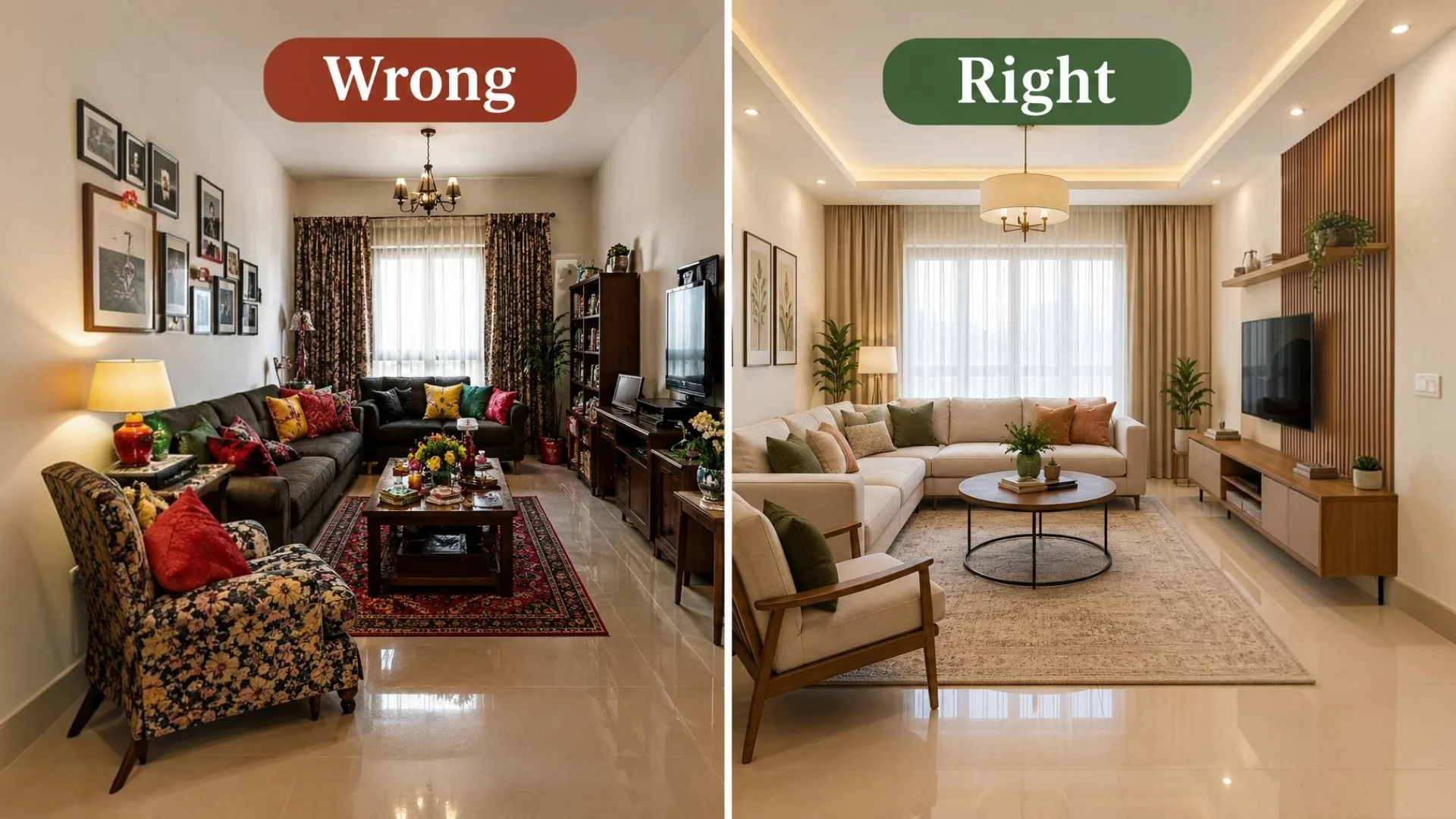
Have you ever finished decorating a room and still felt something was off?
You bought a new sofa. You chose a lovely paint. You hung a big chandelier. Yet the room feels small. It feels dark. Or it just feels messy.
You are not alone. This happens in many Pakistani homes. And it is rarely about money. It is about a few small mistakes. Those mistakes cost you. You pay for furniture that does not fit. You paint the walls twice. You live in rooms that feel hot, crowded, or tiring every single day.
Here is the good news. Most mistakes are easy to fix once you can spot them. Good interior design is not about costly furniture. It is about a home that looks good and works well for your family.
Interior Design Mistakes and Tips on How to Avoid Them
We start with the big things, like size and layout. Then we move to the finer details in interior design, such as:
1. Poor Furniture Planning
Planning is about where things go.
A common habit is to push every piece against the walls. Another is to place a wardrobe in front of a window or a sofa right in the walking path. The room looks full, but moving through it feels like a maze. Poor planning also blocks light and air. In our hot months, a blocked window means a darker and stuffier room.
How to Plan Your Furniture Layout
Find the main walking paths through the room. Keep them clear.
Leave at least 90 cm (36 inches) for main walkways.
Keep windows and doors free. Never put tall pieces in front of them.
Pull the sofa off the wall when space allows. Group seats so people face each other and can talk.
Check every door swing. The wardrobe, cupboard, and room doors should open fully.
Related: https://gharhub.com/shop/switches
2. Inadequate Lighting
Even a well-planned room fails if the lighting is poor.
In many homes, one tube light sits in the middle of the ceiling. It lights the room, but the light is flat and harsh. Corners stay dark. Faces look tired. Reading is hard.
Daylight matters too, and not just for looks.
Energy is the other side. LED bulbs use at least 75% less energy, but Old bulbs turn about 90% of their energy into heat. That is the last thing you want in a Lahore June.
How to Light Your Home in Layers
Good lighting uses three layers that work together.
Layer | What it does | Examples |
Lights the whole room | Daylight, ceiling lights, cove lights | |
Task | Helps you do a job | Reading lamp, lights under kitchen cabinets, mirror light |
Shows off something special | Light on artwork, lights in wall niches, a lamp behind a plant |
3. Choosing Poor Quality Furniture
Once the room is planned and lit, the next step is filling it. This is where many budgets go wrong. It is tempting to buy the cheapest sofa that looks good in the shop. But in a home with six or more people, furniture takes a beating. Kids jump on sofas. Guests sit for hours. Chairs get dragged every day. Cheap pieces often have weak joints, thin foam, and untreated wood.
How to Choose Furniture That Lasts
Split your budget wisely. Spend where you use things every day. Save where you can swap things easily.
Spend more on | Save on |
Sofa and main seating | Side tables |
Mattress and bed frame | Cushions and throws |
Dining chairs | Decor pieces |
Kitchen cabinets | Table lamps |
People Also Search For: https://gharhub.com/plywood-sheet-price-in-construction
4. Using the Wrong Paint Colour
Paint is cheap compared with furniture, yet the wrong shade changes everything.
A colour that looks calm on a tiny card can look dull on four walls. A bright shade can feel loud in a small room. Too many unrelated colours make a house feel broken into pieces.
Light changes colour too.
In Pakistan, south-facing rooms get strong sun for most of the day. North-facing rooms get softer, cooler light. The same beige can look warm in one room and grey in another. Yellow bulbs and white bulbs shift it again.
How to Pick the Right Paint Colour
Room type | Colour tip |
Small room or flat | Soft whites, light greys or pale beige to open it up |
North facing room | Warm neutrals like cream, warm beige or soft peach |
South or west-facing room | Cool tones like soft sage, pale blue or light grey |
Calm, muted shades like dusty blue or soft green | |
Kitchen | Light shades in a washable finish |
5. Creating Cluttered Spaces
Clutter creeps in slowly. An extra chair here. A pile of shopping bags there. Old newspapers, chargers and school books on every table. Soon the room has no breathing space for your eyes or your feet.
Still, anyone who has come home to a messy lounge knows the feeling.
How to Declutter and Keep It That Way
Clear one small area at a time. Start with one shelf or one table.
Use three boxes: keep, donate, and throw.
Follow the one in, one out rule. When something new comes home, something old leaves.
Give every item a fixed home. Things without a home become clutter.
Keep flat surfaces mostly empty. Leave room to put down a cup of chai.
Do a ten-minute tidy every night before bed.
6. Matching Everything
Some homes go the other way. Everything matches.
The sofa, chairs, curtains and cushions share one fabric. The bed, side tables and dressing table come as one shiny set. It looks neat on day one. But it can feel flat, like a furniture showroom. There is no contrast and no personality.
Buying full sets is very common here because it is easy.
How to Coordinate Without Matching
Instead of this | Try this |
Sofa and chairs in the same fabric | A plain sofa with two accent chairs in a pattern or new colour |
A full bedroom set | Keep the bed and pick side tables in a different wood or finish |
All wood in one tone | Two wood tones, or add metal, cane, or rattan |
Cushions that match the sofa | Cushions in two or three colours taken from the rug or artwork |
7. Following Trends Without a Clear Style
Social media is full of beautiful homes. It is easy to copy what is trending. Curvy chairs one year. Fluted panels the next. Gold everything after that.
Trends are not the problem. The problem is mixing many of them with no plan. The house ends up looking like a collage of random posts. Trends also date quickly, so you end up redoing things.
How to Build a Timeless Style
Keep the costly, hard-to-change things timeless. Let trends live in small things you can swap in a weekend. Pick one main style and one supporting style at most. Modern with a few traditional touches suits many Pakistani homes. Before following a trend, ask yourself if you will still like it in five years.
People Also Searched For: https://gharhub.com/interior-design-trends-pakistan.
8. Overlooking Material and Finish Performance
Style is how a home looks. Materials decide how long it keeps looking that way.
Our climate is tough on homes. Materials that ignore these facts fade, swell, stain, or crack. They also eat up hours of cleaning every week.
How to Pick Materials That Suit Pakistani Weather
Area | Smart choice | Why it works |
Main floors | Porcelain tiles or sealed stone | Stays cool and is easy to mop |
Granite or quartz | Handles heat and oil | |
Kitchen and bath cabinets | Moisture-resistant MDF, marine ply or aluminium | Copes with steam and water |
Walls in busy areas | Washable emulsion in a satin finish | Wipes clean |
Sofa fabric | Tightly woven cotton blends or performance fabric | Easy to clean, holds less dust |
West-facing curtains | Cotton blends with a blackout lining | Blocks afternoon heat |
9. Over Accessorising
Vases, frames, showpieces, fake flowers, crystal bowls and wall plates. Each one was a gift or a bargain. Together, they fight for attention. When too many styles, patterns, and textures mix, the eye has nowhere to rest. Your best pieces get lost in the crowd.
How to Style Decor With Balance
Mix heights in each group. Use one tall, one medium, and one low piece.
Stick to two or three main colours for decor.
Use one bold pattern per room. Keep the rest plain or small.
Leave about one third of every shelf empty.
Store some pieces and rotate them each season or for Eid.
10. Ignoring Storage Needs
Good materials keep a home looking fresh. Good storage keeps it looking calm.
Many families buy furniture first and think about storage later. Then winter quilts, extra bedding for guests, suitcases, school things, and dawat crockery have nowhere to go. They end up on top of wardrobes and under beds. That brings us right back to clutter.
How to Plan Smart Storage
List what you own before you buy furniture. Count bedding, crockery, shoes, and seasonal clothes.
Build wardrobes from floor to ceiling. Top shelves are perfect for quilts and suitcases.
Choose beds with drawers or hydraulic lift storage.
Use the space under the stairs for a shoe rack or a small store.
Pick pieces that do two jobs, like an ottoman with storage or a divan with drawers.
Use closed cabinets for everyday items. Keep open shelves for display only.
How to Work With Your Home's Architecture for Stylish Home Decor
Every home has its own bones: windows, doors, ceiling height, columns, niches, and the way air moves. Good design works with them. Poor design fights them.
You see it everywhere. A wardrobe blocks a window that once brought in a breeze. A deep false ceiling makes a room feel boxed in. A heavy curtain hides the only window in the lounge. A column gets treated like an eyesore instead of a feature.
In a hot country, windows and cross ventilation are gold. They cut heat and bring in the daylight we talked about earlier. Do these for aesthetic and stylish homes:
Walk through your home at different times of day. Note where the sun comes in and where the breeze flows.
Keep windows on opposite walls clear so air can cross the room.
In rooms with lower ceilings, keep false ceilings slim or skip them. Use cove lights along the edges instead.
Turn columns and niches into features with shelves, lights, or wood cladding.
Hang curtains close to the ceiling. It makes the room feel taller.
Plan built-in wardrobes and cabinets around doors and windows, not over them.
How Can I Improve My Home's Interior Without Spending Too Much?
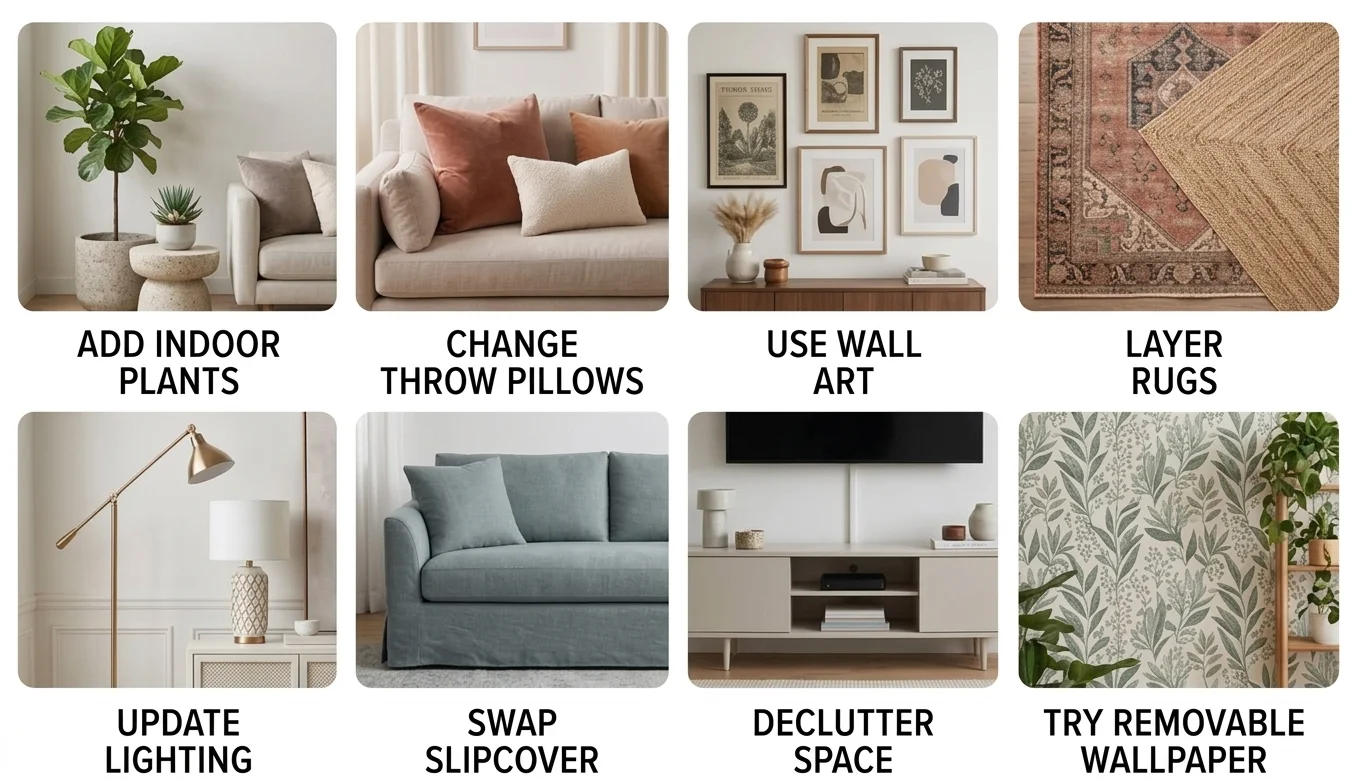
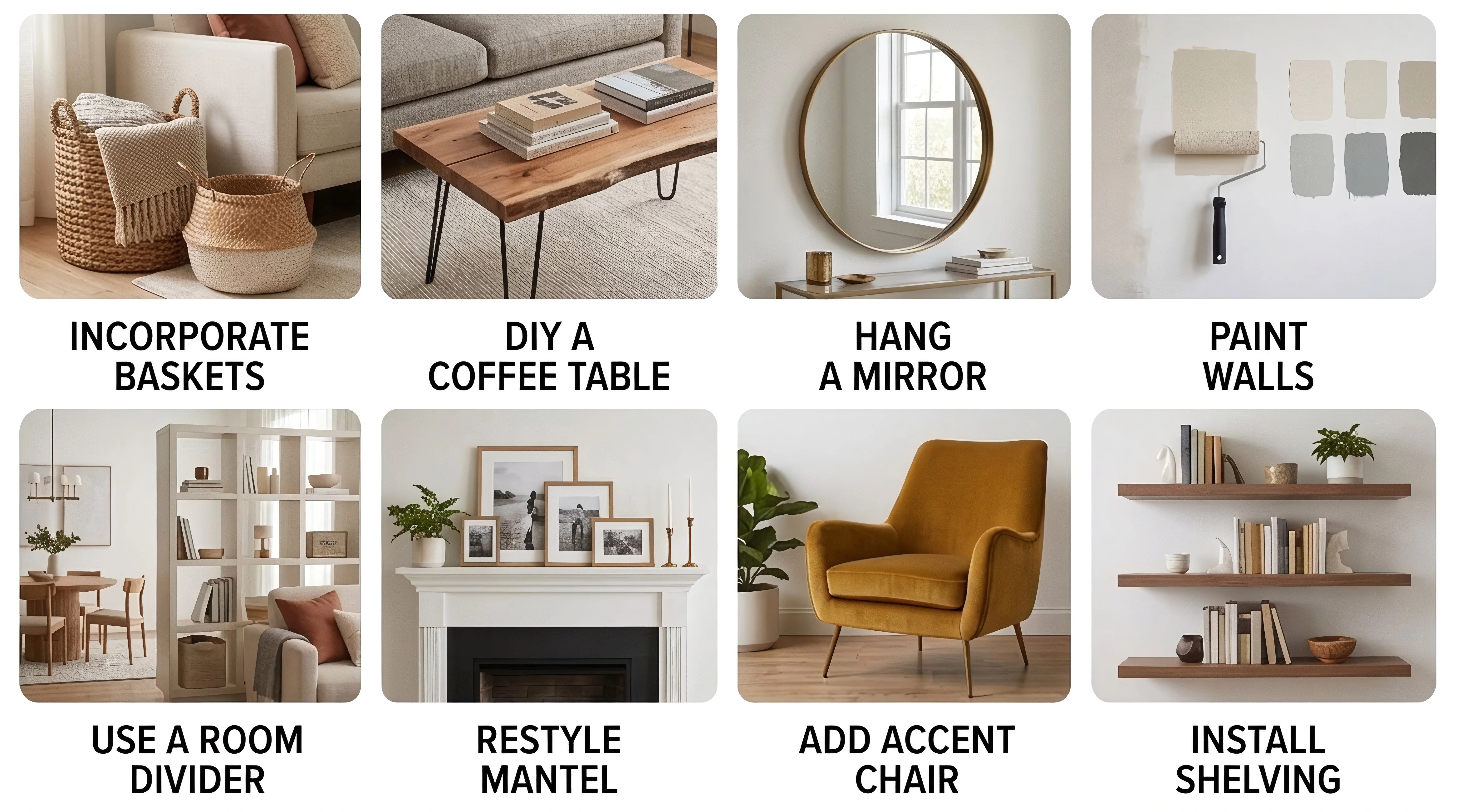
You can improve your home on a budget by clearing clutter, moving furniture to open up walkways, painting one accent wall, switching to warm LED bulbs, adding a larger rug, and changing cushion covers and curtains. These small steps make rooms look brighter, bigger, and more finished.
Here is how common upgrades compare:
Upgrade | Cost level | What it changes |
Declutter and rearrange furniture | Free | More space and easier movement |
Swap to LED bulbs and add one lamp | Low | Softer light and lower bills |
Paint one accent wall | Low | Creates an instant focal point |
Hang a mirror across from a window | Low | More daylight and a sense of space |
New cushion covers and curtains | Low | Fresh colour without new furniture |
Add a few indoor plants | Low | Life, colour and a softer look |
Polish or reupholster old furniture | Medium | A new look for far less than buying new |
A bigger rug | Medium | Pulls the whole room together |
Start with the free fixes first. Then spend on the one thing that bothers you most every day. Small, steady changes beat one big, rushed makeover.
Related: https://gharhub.com/top-architecture-building-trends-pakistan-2026
Conclusion: Create a Home That Looks Good and Works Well
A beautiful home is not built on costly furniture. It is built on good choices.
Get the scale right so rooms feel balanced. Plan your layout so people can move freely. Layer your lighting and let the daylight in. Buy furniture that can handle real family life. Choose paint that suits your light.
Make room for storage so clutter has nowhere to hide. And pick materials that can stand up to our heat, damp, and dust. You do not need to follow every trend. You need a home that fits your space and your family. Design around how you really live, and your home will look good and feel good for years.
FAQs
What are the most common interior design mistakes in Pakistani homes?
The biggest ones are oversized furniture in small rooms, layouts that block light and movement, and relying on a single tube light.
How can I make a small Pakistani home look more spacious?
Use light wall colours, furniture on raised legs, and a rug big enough to sit under the furniture. Keep walkways clear and hide daily items in closed storage.
How do I choose the right paint colour for my home?
First, check which way the room faces. North-facing rooms suit warm neutrals. Sun-facing rooms suit cooler shades.
What type of lighting is best for Pakistani homes?
LEDs suit Pakistani homes because they use far less power and give off little heat during long summers and load shedding.
How do I choose the right furniture size for a room?
Measure the room, then mark each new piece on the floor with masking tape before you buy. Leave about one third of the floor open and at least 90 cm for main walkways.
How can I avoid making my home look cluttered?
Give every item a fixed place and use closed storage for everyday things. Follow the one-in, one-out rule and do a quick ten-minute tidy every evening.
What should I consider when choosing materials and finishes for my home?
Think about heat, humidity, dust, and daily wear. Choose porcelain tiles or sealed stone for floors, granite or quartz for counters, moisture-resistant boards for kitchens and baths, and washable paint for busy walls.