 Contact Us
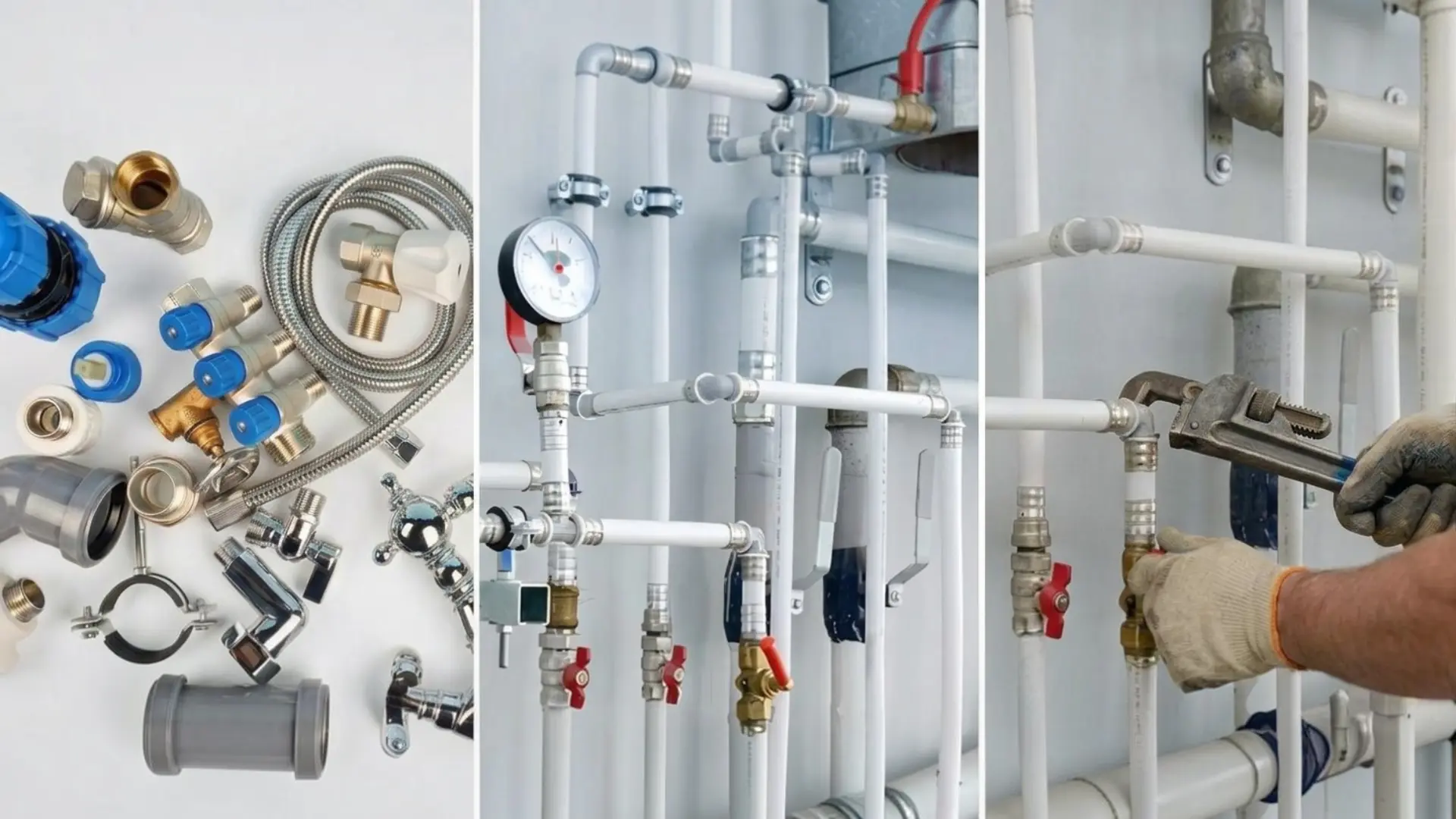
The wrong pipe can leak, sag with hot water, or crack under pressure. These problems require demolition of walls, replacement of tiles, and hiring a plumber twice. That is why it is so important to install the correct pipes. After tiles and plasterwork have been completed, a pipe becomes inaccessible. An appropriate pipe works quietly for decades and maintains the purity of drinking water.
Plumbing pipes are installed first when constructing a house. It is also the system that we do not want to change later on. The selection of pipes influences the water pressure, amount of hot water, drainage, maintenance costs, and total building costs.
According to the Pakistan Bureau of Statistics, there were 38,292,556 housing units in the 2023 Census in Pakistan. With each new house comes the creation of kitchens, bathrooms, water tanks, and drains. They all work through pipes that are installed within the walls and floors of the buildings. The two plastic pipes that you will come across most often in Pakistan are PPRC and uPVC.
What Is a PPRC Pipe?
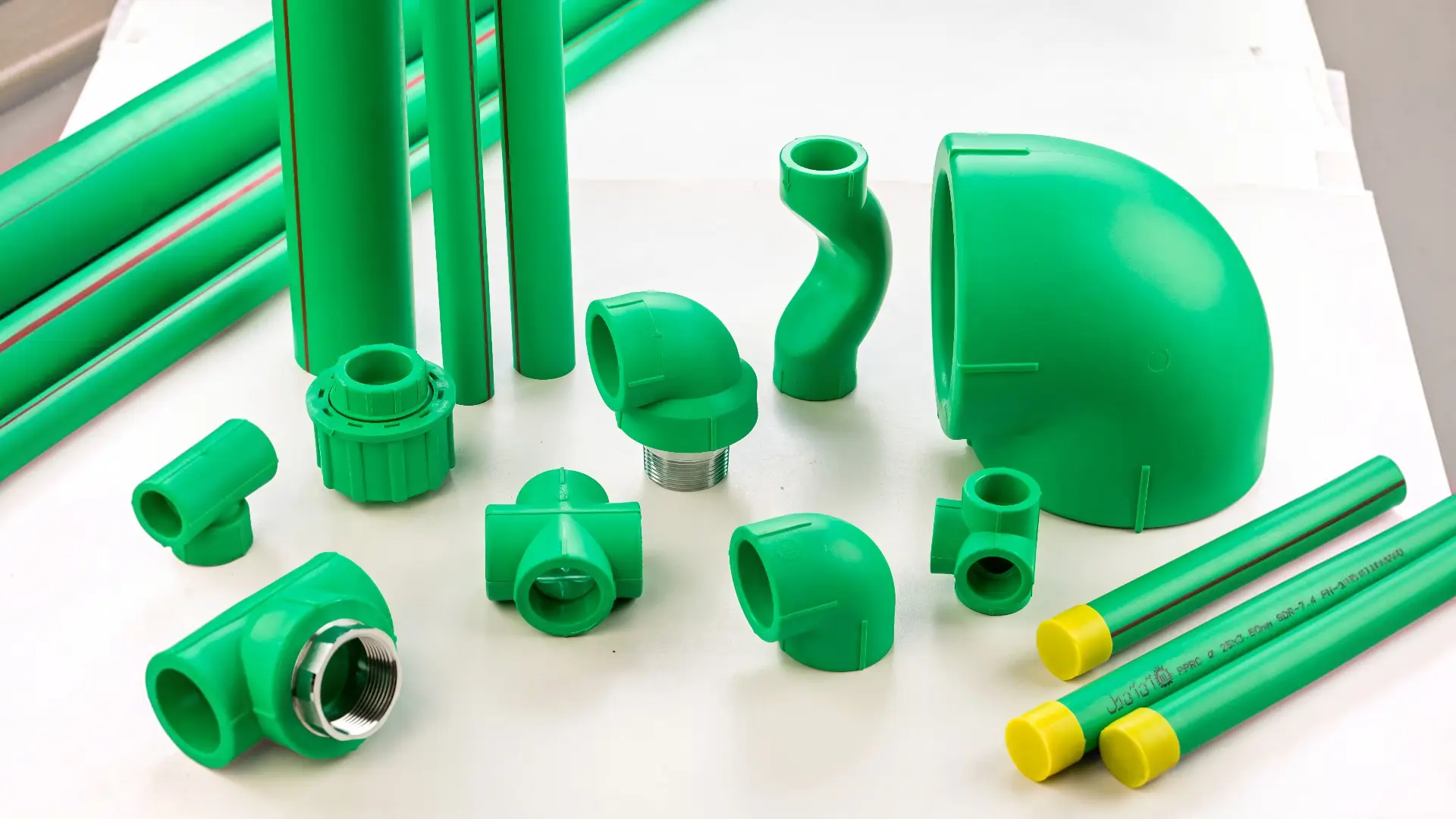
PPRC means Polypropylene Random Copolymer. It is also abbreviated as PPR or PP-R. The term 'random copolymer' indicates that there is a very small quantity of some other plastic mixed in the polypropylene, which makes the pipe stronger and more resistant to heat compared to just polypropylene.
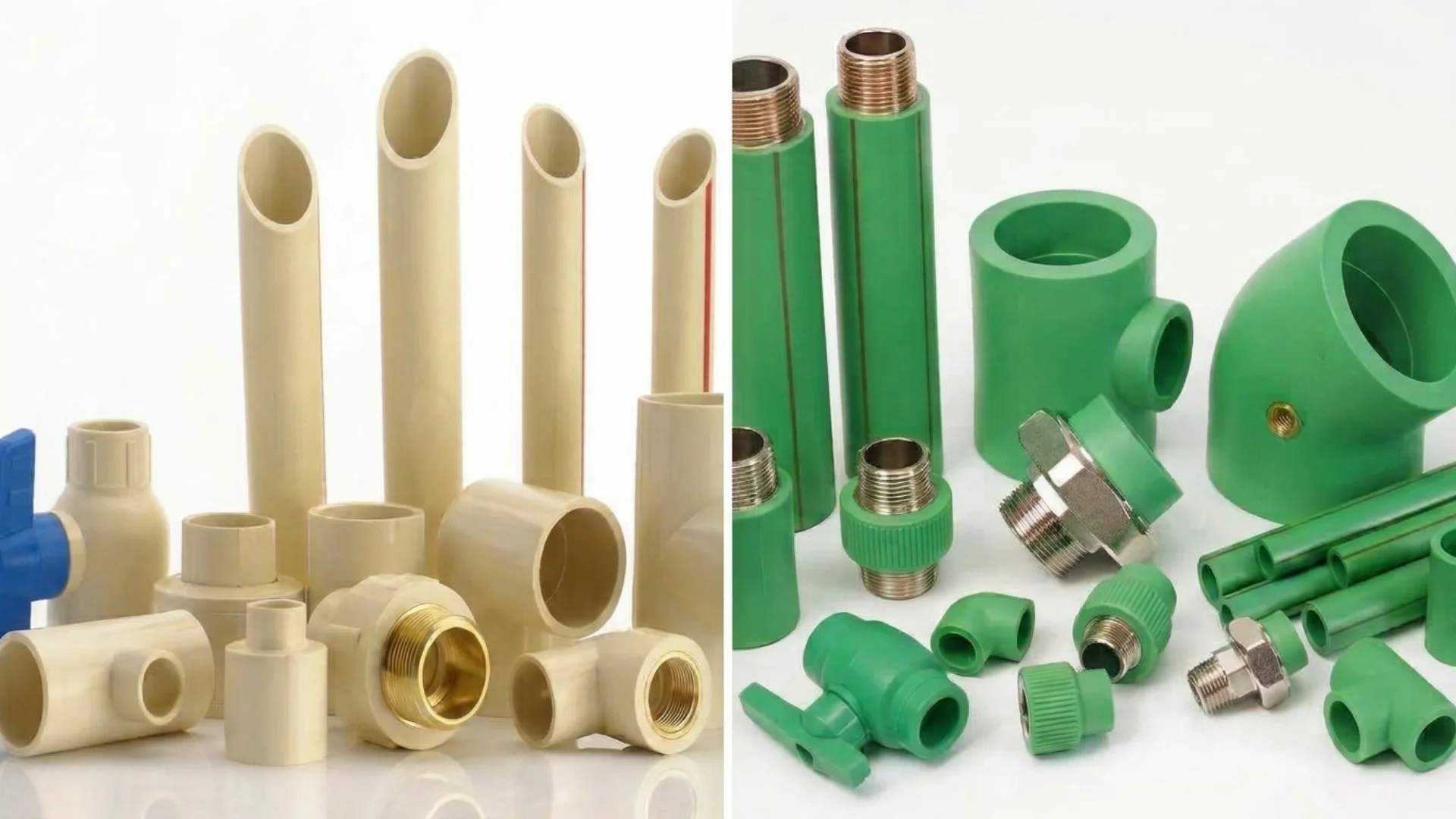
PPRC pipe is a type of plastic pipe used for conveying hot and cold water in buildings. It can be easily recognized by its color, either green or white, and its pressure class printed on the side of the pipe.
How Are PPRC Pipes Manufactured?
PPRC pipes are manufactured through a process called extrusion. This process is similar to squeezing toothpaste out of a tube:
Plastic pellets are melted in a heated machine.
The melted plastic is pushed through a circular mold known as a die.
The new pipe is then cooled in water to retain its shape.
The pipe is cut to the desired length and labeled with its diameter, class, and brand.
The fittings, like elbows and tees, are separately made by injection molding of the melted plastic.
Common Applications of PPRC Pipes in Residential Plumbing
PPRC is the ideal pipe used to supply water within a building. Some typical applications of PPRC pipes include:
Hot water lines from the geyser to bathrooms and the kitchen
Cold water lines to taps, showers, and toilets
Lines from the overhead tank down to each floor
Supply lines inside walls, where joints must not leak
PPRC Pipes: Benefits and Limitations
PPRC's biggest strengths come from its heat resistance and fused joints. The fused joint matters most. Most hidden leaks start at joints. With PPRC, a properly fused joint has no glue or thread to fail. PPRC is not perfect. Its weak points are mostly about installation.
Advantage | Disadvantages |
|
|
What Is a uPVC Pipe?
uPVC is an abbreviation for Unplasticised Polyvinyl Chloride. "Unplasticised" implies that no softening agents have been added. This means that the pipe is firm and rigid, unlike the flexible PVC employed in garden hoses.
uPVC pipe is a rigid plastic pipe used mainly for drains, sewers, and cold water mains. It is usually grey or white and is available in various sizes. It is also commonly used for rainwater pipes from the roof.
How Are uPVC Pipes Manufactured?
uPVC pipes are also extruded. PVC resin powder is mixed with stabilizers and other additives. The mixture is then heated, forced through a die, cooled, and cut to length. Each pipe is identified by its size and class. The fittings are molded separately.
Common Applications of uPVC Pipes in Residential Plumbing
uPVC comes in different classes for different jobs. GharHub's plumbing cost guide lists the common ones:
uPVC type | Typical use in a house |
Pressure pipe | Cold water mains and supply lines |
Drainage pipe | Soil, waste and vent lines from toilets, sinks and showers |
Sewer pipe | Underground sewer lines to the main sewer |
uPVC Pipes: Benefits and Limitations
Where PPRC rules the supply lines, uPVC rules the drains. uPVC's value comes from being light, rigid, and low-cost.
Advantage | Limitation |
|
|
PPRC vs uPVC Pipes: Key Differences at a Glance
The big idea is simple: PPRC is built for water supply, especially hot water, while uPVC is built mainly for drainage and cold water.
PPRC vs uPVC comparison table
Feature | PPRC | uPVC |
Main use in a house | Hot and cold water supply | Drains, sewer, rainwater, cold water mains |
Hot water | Yes, up to 70°C continuous | No, rated at 20°C |
Pressure classes | PN 16, PN 20, PN 25 | Class E (pressure), Class O (drainage), SDR 41 (sewer) |
Joining method | Heat fusion | Solvent cement or rubber ring push fit |
Rust | No | No |
Stiffness | Tough, slightly flexible | Rigid |
Expected life (GharHub guide) | About 50 years | Over 50 years |
Repair tools | Fusion machine | Solvent cement and fittings |
Typical cost | Higher per foot for supply sizes | Lower for drainage |
PPRC vs uPVC Pipe Prices in Pakistan
One note first: GharHub's pipe product pages currently show discount offers, not fixed prices per foot. The plumbing category lists Popular PPR-100 and uPVC pipes (38% to 40% off), Turk Plast (50% to 55%), Dura Flow (46% to 50%), Dura Max (47% to 51%), and Easy Fit (46% to 50%), checked on 6 November 2026.
PPRC Pipe Price in Pakistan
PPRC prices rise with size and pressure class. Brand also makes a big difference.
PPRC pipe | Price reference |
25 mm | Rs 88 to 141 per foot |
32 mm | Rs 141 to 229 per foot |
25 mm PN 20, economy brand | About Rs 380 per meter |
25 mm PN 20 | About Rs 555 per meter |
uPVC Pipe Price in Pakistan
uPVC prices depend mostly on the class and diameter. Drainage and sewer pipes are larger, so they cost more per foot than small pressure pipes.
uPVC pipe | Price reference (per foot) |
½ inch pressure, Class E | Rs 66 |
1 inch pressure, Class E | Rs 139 |
2-inch drainage, Class O | Rs 202 |
4-inch drainage, Class O | Rs 489 |
4-inch sewer, SDR 41 | Rs 645 |
6-inch sewer, SDR 41 | Rs 1,356 |
What Factors Affect PPRC and uPVC Pipe Prices?
Two pipes that look identical may have a difference in price for valid reasons. The following elements account for most of the price gap:
Pipe diameter and thickness: larger and thicker pipes require more material.
Specs and pressure ratings: pipe PN 25 PPRC is pricier compared to PN 16; pressure uPVC has a higher price than drainage pipes with the same specs.
Quality and manufacturer: reputable brands will demand more due to high quality and proven performance.
Number and length of pipes: bulk purchasing will bring better deals and discounts.
Fittings and extras: elbows, tees, valves, and sockets contribute much to the overall cost.
Delivery fee: increases depending on how far you are located from your supplier.
Related: https://gharhub.com/plumbing-cost-pakistan
PPRC vs uPVC: Which Pipe Is More Affordable?
uPVC will generally be the cheaper option per foot for its function, which is drainage. PPRC pipes will cost more, but are the safer option when it comes to hot water. Price comparison of these pipes will not make any sense since their primary functions differ. This is the actual savings that can be made by using the appropriate pipe and making the correct joints on the first attempt.
PPRC vs uPVC Pipes: Which Is Better for Your House?
The best house plumbing uses both, each in the right place. GharHub's plumbing guide describes the common setup in Pakistan as PPRC for water supply and uPVC for drains.
Room-by-room plumbing pipe selection:
Area of the house | Supply Line | Recommended pipe |
Bathrooms | Hot and cold water to taps and shower | PPRC (PN 20 or higher for hot water) |
Bathrooms | Toilet, floor trap and basin drains | uPVC drainage pipe |
Kitchen | Hot and cold water to sink | PPRC |
Kitchen | Sink waste | uPVC drainage pipe |
Geyser area | Hot water outlet lines | PPRC, PN 20 or PN 25 |
Roof and overhead tank | Tank to house supply | PPRC |
Roof | Rainwater downpipes | uPVC |
Laundry area | Washing machine supply | |
Laundry area | Washing machine drain | uPVC drainage pipe |
Outside the house | Underground sewer line | uPVC sewer pipe |
Outside the house | Cold water main from the street | uPVC pressure pipe or PPRC |
Common Mistakes to Avoid When Buying PPRC and uPVC Pipes
These are common errors with pipes and fittings that lead to leaks.
Choosing Pipes According to Price Only
Neglecting Pressure Rating and Pipe Specifications
Using Wrong Pipes For Hot Water
Combining Unmatched Pipes and Fittings
Acquiring Pipes Without Verifying Quality Markings
Employing an Amateur Plumber
Conclusion
Both PPRC and uPVC are robust and corrosion-free plastic pipes; however, they have different applications. PPRC is used for hot and cold water, connects through heat fusion, and is suitable for supply piping. On the other hand, uPVC is rigid, lightweight, economical, and ideal for drainage, sewerage, rainwater, and cold water mains.
It all boils down to four criteria: the water temperature, the pressure in the line, its application, and the installation method. In the case of Pakistan's houses, it means that PPRC is suitable for water supply and uPVC for drainage.
It would be unwise to make a decision based only on the cost. Compare the complete specifications: class, wall thickness, brand, fittings, and the plumber's expertise. Moreover, you should plan the plumbing materials before the construction starts.
Frequently Asked Questions
Is PPRC Better Than uPVC for House Plumbing?
For water lines, yes. PPRC can handle hot and cold water, and its heat-fused joints are less likely to leak inside walls. For drains and sewer lines, uPVC is normally the better and cheaper option.
Which Pipe Is Better for Hot Water?
PPRC. PPR pipes are rated for 70°C continuously and 95°C short peaks by manufacturers like LESSO. uPVC pipes are rated for 20°C and lose pressure strength with increase in temperature; hence, not suitable for hot water.
Which Pipe Has a Longer Lifespan?
Both have a long lifespan when used appropriately. According to GharHub's plumbing cost guide, PPRC has a lifespan of 50 years, while that of uPVC exceeds 50 years. Installation is more important than the type of pipe.
Which Pipe Is Better for Underground Plumbing?
uPVC sewer pipe like SDR 41 is the usual type used for underground sewer and drain lines. If it is for an underground cold water supply line, then uPVC pressure pipe or PPRC can be used.
Are PPRC Pipes Good for Drinking Water?
Yes. PPRC is commonly used for drinking water supply. Good quality pipes are manufactured according to standards such as ISO 15874, and many manufacturers even have BS 6920, which is a UK standard for products in contact with drinking water.
Can PPRC and uPVC Pipes Be Connected?
Yes, but not by gluing or fusing. Use an adapter, which may be threaded or a union, to connect the two types of pipes. This is common when connecting a uPVC water main to PPRC pipes installed within the house.
How to Identify Good Quality PPRC and uPVC Pipes?
Check that there is clear printing of the brand name, size, pressure class, and standard on the pipe. The wall thickness should be uniform and the inner surface smooth. Purchase from reputable manufacturers and sellers, and get the product specification sheet.