
 Contact Us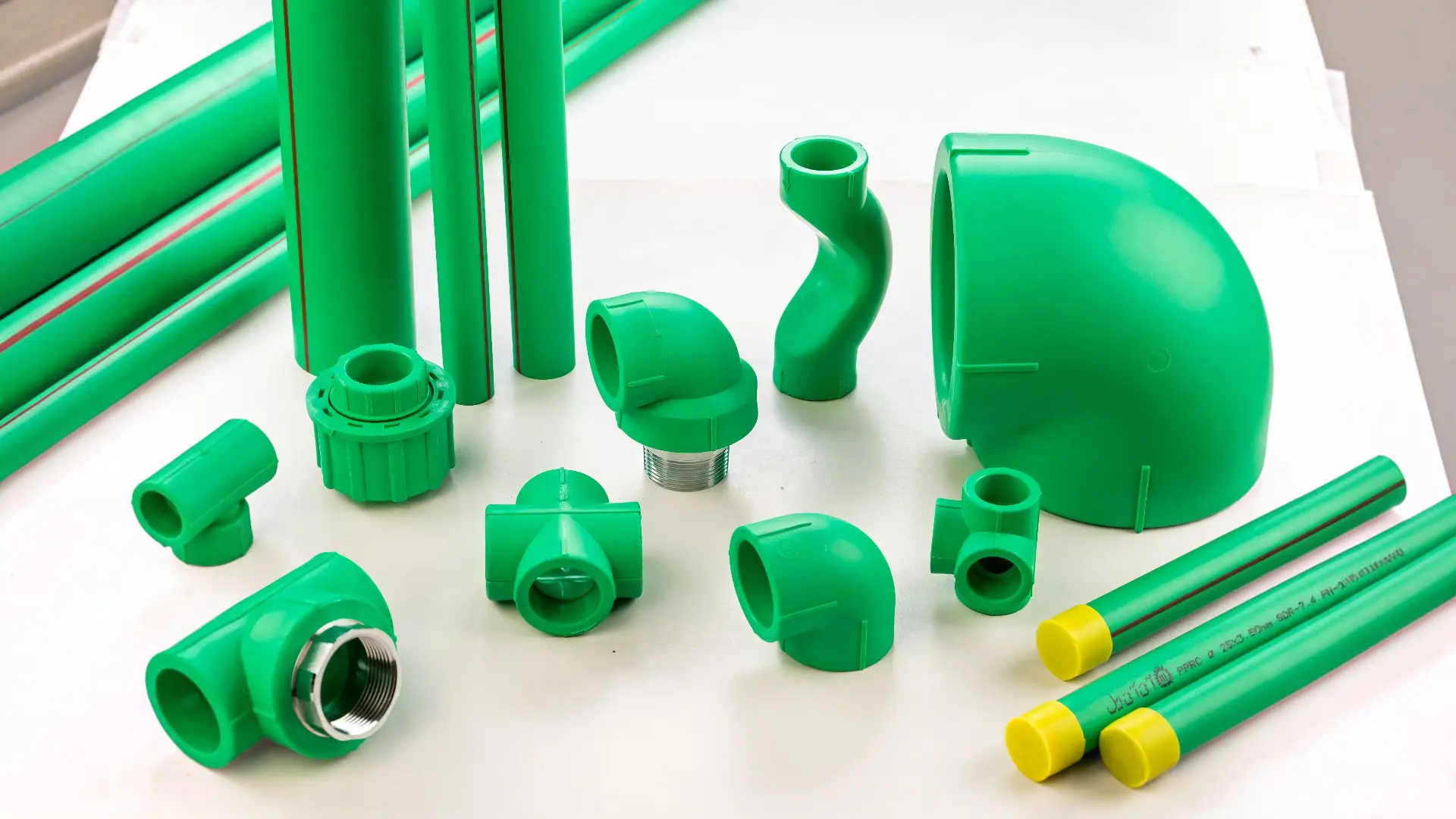
When we see a plumbing system in an already-built house, it seems very simple to us. But inside walls, floors, and ceilings, a system of pipes delivers water, hot water, and wastewater. If there is a problem with the pipes, then leakages, pressure issues, corrosion, and other issues might occur.
So, selecting the correct plumbing pipe is very important.
There are various types of pipes available in Pakistan, like PVC, CPVC, PPRC, PEX, Copper, and HDPE. Every type of pipe has its own application. There are pipes that suit cold water, while some suit hot water or subsoil systems.
Transitioning to Modern Solutions with Modern Plumbing Pipe Systems
Not all pipes are suitable for all plumbing tasks.
A pipe used in the plumbing of water in the bathroom will be required to perform differently from a pipe that is used in drainage underground. Pipes used in hot water supply must be able to withstand higher temperatures.
The correct pipe is likely to offer:
Reliability of water flow
Higher resistance to leaks
High durability
Reduced maintenance costs
Higher resistance to corrosion
Water distribution safety
Increased performance under pressure
This shows why the choice of pipe depends on factors such as application, size, pressure, temperature, and location.
Pakistan Engineering Council specifications include different pipe materials and sizes for plumbing and water systems. For example, PEC documentation lists uPVC for sanitary drainage and HDPE for water supply applications. It also specifies common building plumbing sizes such as 1/2 inch, 3/4 inch, and 1 inch for certain applications.
Common Plumbing Pipe Types & Their Uses
Several pipe types are commonly considered for residential and commercial plumbing. The best option depends on where the pipe will be installed and what the system needs to carry.
PVC Pipes
PVC is an acronym that stands for "Polyvinyl Chloride".
PVC pipes are popular due to their lightweight, cost-effectiveness, and corrosion resistance. The next significant term is UPVC. This stands for "unplasticized polyvinyl chloride".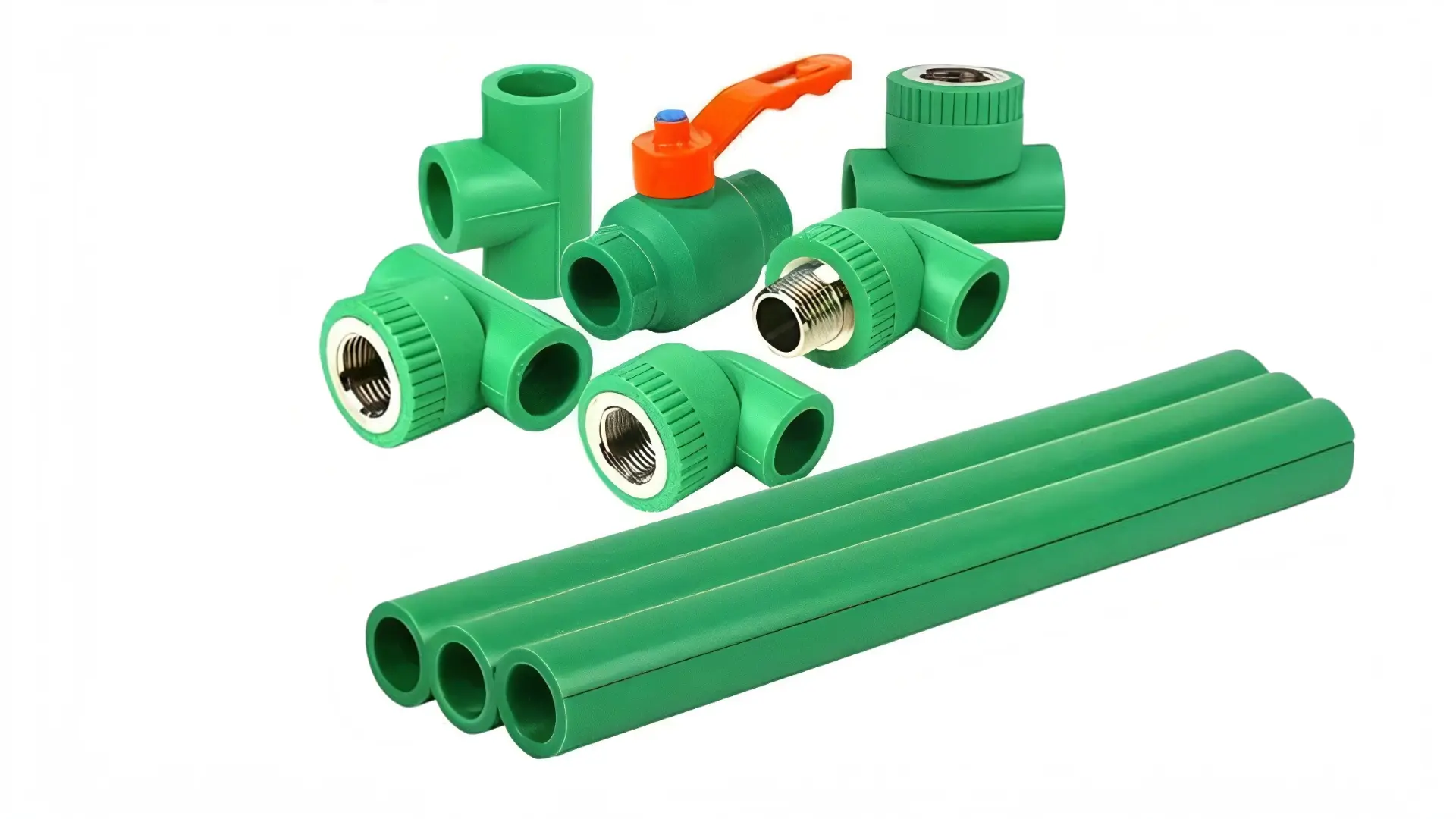 They are usually employed for purposes like cold water, drainage, sewerage, and plumbing work. PVC is highly effective where high temperatures are not of much concern.
Applications may be:
Cold water supply
Drainage system
Wastewater system
Sewerage
Rainwater drainage
Irrigation
Electrical conduits in suitable pipe grades
CPVC Pipes
CPVC stands for “Chlorinated Polyvinyl Chloride”.
It is almost the same as PVC, but it is suitable for high-temperature applications.
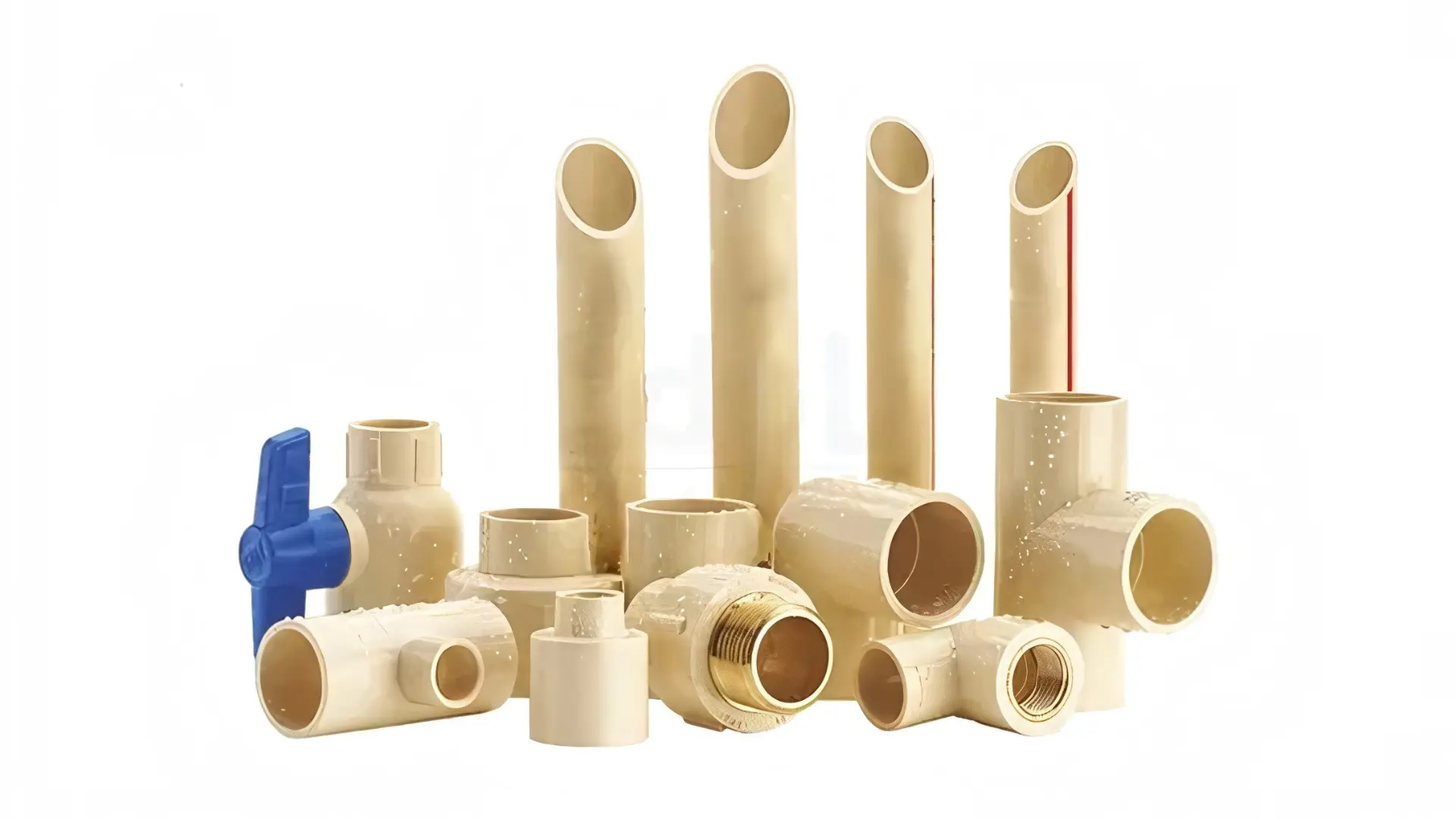 The applications of CPVC include the following:
Supplying hot water
Supplying cold water
Residential plumbing
Commercial plumbing
Water supply systems
In the case of households with geysers or any hot water systems, CPVC may be used if the specification suits the application.
Specialized Pipe Materials for Advanced Applications
Some plumbing projects need more than a standard PVC solution. Large buildings, underground networks, hot water systems, and specialist installations may use PEX, copper, HDPE, or PPRC.
PEX Pipe
PEX means "Cross-linked polyethylene".
One of the major benefits of using this material is flexibility, as it bends to form a corner, and this helps save on fittings in certain cases.
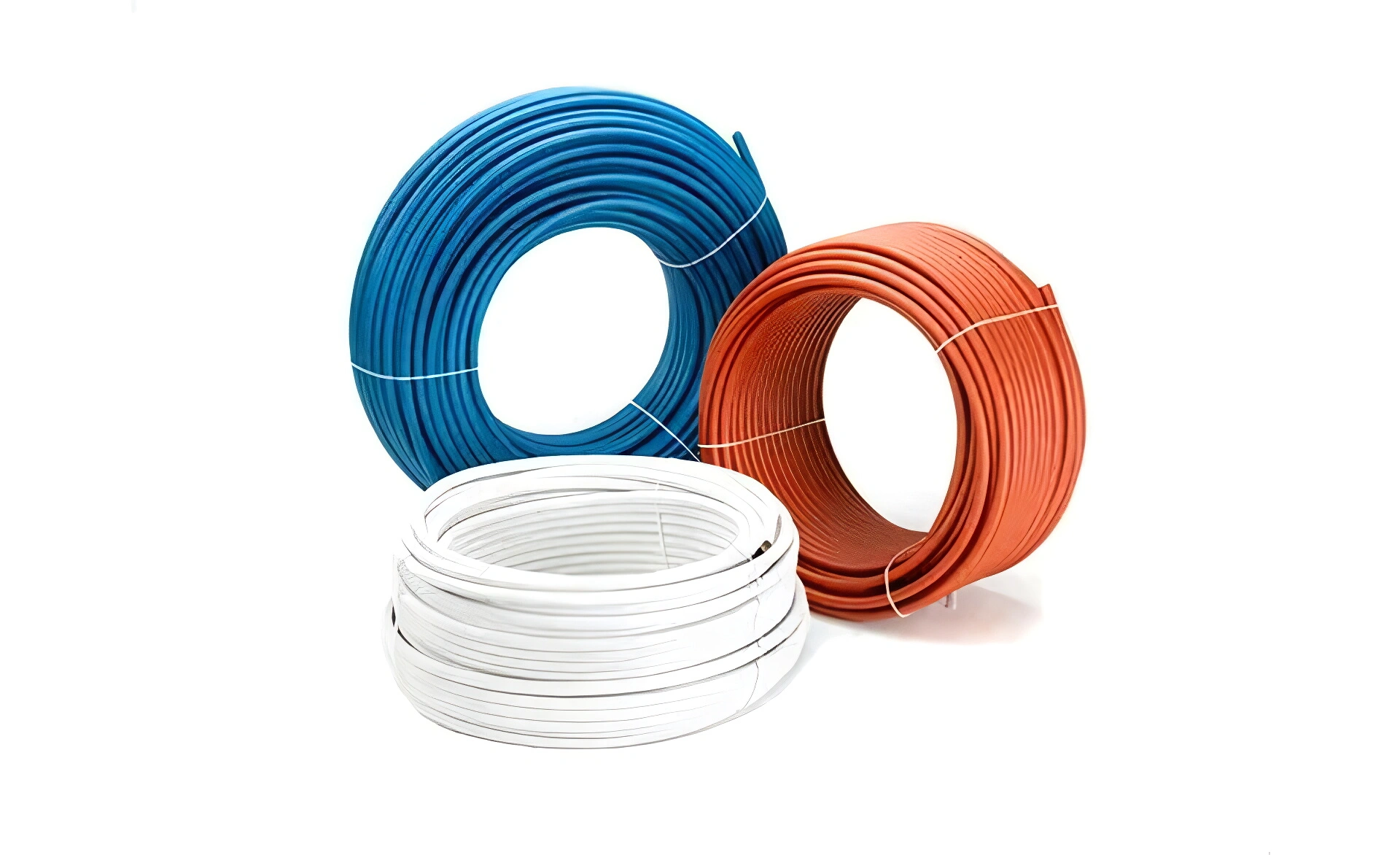 The main applications of this material include:
Distribution of hot water
Distribution of cold water
Domestic plumbing
Radiant heating system
Interior water distribution
Copper Pipe
Copper has been extensively used in plumbing for several decades.
It is durable and capable of handling both hot and cold plumbing when specified and installed properly. It has a long-standing tradition in building plumbing.
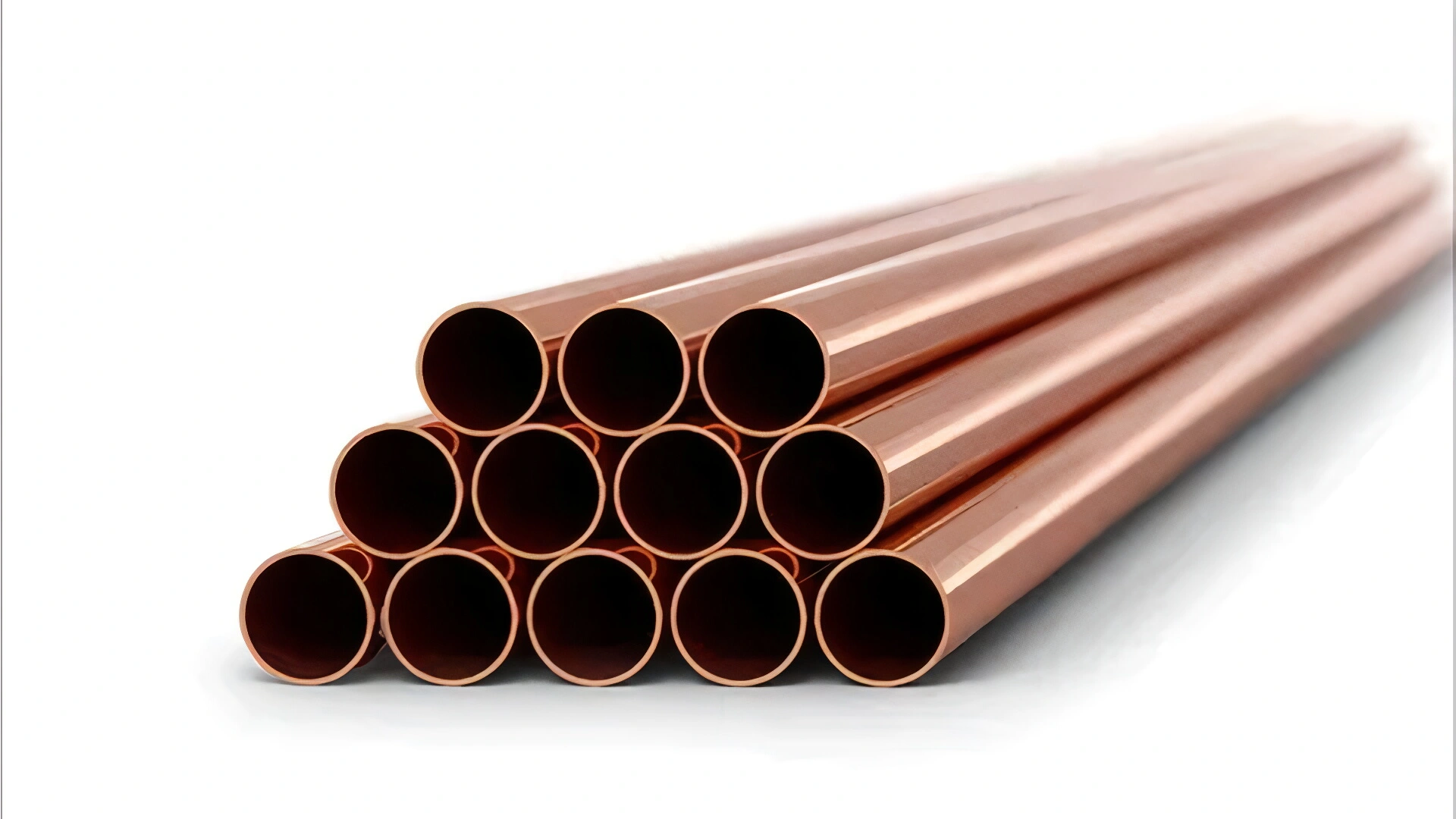 Copper may be used for:
Hot water piping
Cold water piping
In-house plumbing
Commercial plumbing
HVAC plumbing
The main disadvantage of copper is its high price. It costs more than many kinds of plastic plumbing pipes.
The Future of Infrastructure: HDPE Pipe
HDPE stands for “High-Density Polyethylene”.
This is a tough and malleable pipe material that is used extensively in construction and infrastructure.
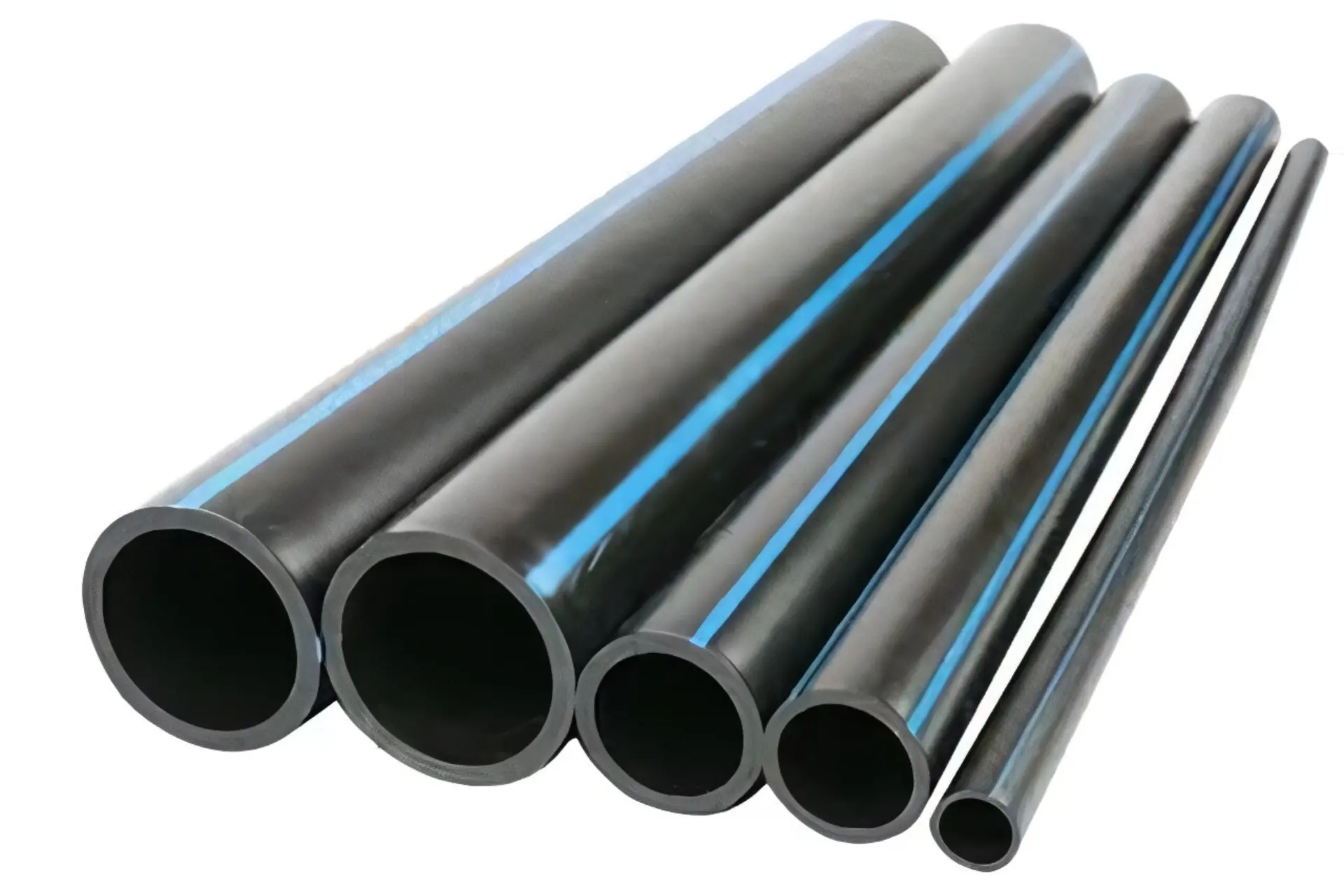 Some applications of HDPE are as follows:
Underground water supply
Main water pipes
Irrigation
Industrial water supply
Sewage disposal systems
Big infrastructure projects
HDPE can be jointed by techniques like butt fusion or electrofusion.
Plumbing Pipes Prices in Pakistan
Plumbing pipe prices in Pakistan can change frequently. The final price depends on:
Pipe material
Diameter
Wall thickness
Pressure rating
Brand
Pipe length
Certification and standard
Location
Quantity purchased
For example, published 2026 market information shows different prices for PVC and PPRC pipes based on size, brand, and specification. A June 2026 PPRC price guide listed 4-meter pipes such as 25 mm and 32 mm products at different prices across brands and pressure ratings.
Brand / Pipe | Type | Common Sizes | Indicative 2026 Price |
Popular PPR-100 | PPRC | 20 to 110 mm | Rs. 592 to Rs. 17,000 per 4m pipe |
Turk Plast | PPRC / UPVC | Varies by class and size | Approx. Rs. 600 to Rs. 17,000+ |
Dura Flow | PPRC / UPVC | 25 to 110 mm+ | Approx. Rs. 995 to Rs. 16,900+ |
Dura Max | PPRC / UPVC | 25 to 63 mm+ | Rs. 966 to Rs. 6,525 for PPRC PN20 |
Easy Fit | PPRC / UPVC | Varies by product | Price varies by size and pipe class |
Plumbing Pipes Sizes in Pakistan
The size of the pipe is one of the most critical considerations when designing plumbing.
A pipe that is too small might inhibit water flow. On the other hand, a pipe that is too big can be expensive.
Some of the common pipe sizes are:
Approximate Size | Common Application |
1/2 inch | Fixture connections and smaller supply lines |
3/4 inch | Residential water distribution |
1 inch | Larger residential supply lines |
1 1/4 inch | Higher flow requirements |
1 1/2 inch | Larger branch lines |
2 inch | Larger water or drainage applications |
3 inch | Drainage and wastewater applications |
4 inch | Sewerage and larger drainage systems |
How to Choose the Right Pipe for Your Home in Pakistan?
Choosing a plumbing pipe becomes easier when you first understand the job. Before buying plumbing pipes, use this simple checklist.
1. Select the Pipe Material
Choose PVC, CPVC, PPRC, PEX, copper, or HDPE according to the application.
2. Check the Size
Make sure the diameter matches the plumbing design.
3. Confirm the Pressure Rating
Do not use a pipe without confirming that its pressure rating is suitable for the system.
4. Check Temperature Requirements
Hot water systems need suitable temperature-rated materials.
5. Choose the Pipe Standard
Ask the supplier for technical specifications and relevant certification where required.
6. Check the Fittings
A good pipe system also needs compatible elbows, tees, couplings, valves, and other fittings.
7. Consider Installation
Some systems use solvent cement. Others use heat fusion, compression fittings, or mechanical connections.
8. Compare Total Cost
The cheapest pipe is not always the cheapest plumbing system.
Consider the pipe, fittings, labour, transport, maintenance, and expected service life.
9. Buy From a Reliable Supplier
A reliable supplier can help you verify the pipe's size, brand, pressure class, and intended application.
Conclusion
Proper selection of a plumbing pipe can go a long way toward ensuring the optimal performance of your water system.
PVC pipes would be ideal for use in general-purpose systems with general use. CPVC pipes would be a better choice where heat tolerance is needed. PPRC pipes are commonly used for plumbing applications using hot or cold water. PEX would work fine for indoor applications. While copper is another reliable choice, HDPE is more ideal for underground uses.
It depends on various factors such as application, size, pressure, temperature, location, quality, and budget. Prior to purchasing, ensure you have compared the technical specifications and not just the price alone.
FAQ
What are the most common types of plumbing pipes in Pakistan?
Some common types of plumbing pipes in Pakistan include PVC, uPVC, CPVC, PPRC, PEX, copper, and HDPE. All these pipes have different purposes and properties.
Which pipe is suitable for hot water?
CPVC, PPRC, PEX, and copper pipes can be used for hot water.
What are some common sizes of plumbing pipes?
Some common sizes of plumbing pipes include 1/2 inch, 3/4 inch, and 1 inch. Some other sizes include 1 1/4 inch, 1 1/2 inch, 2 inch, 3 inch, 4 inch, and more.
What is the difference between PVC and CPVC?
PVC is used for cold water, drainage, and other similar purposes. CPVC is a modified version of PVC that can work well in high-temperature conditions.
Can HDPE pipes be used for underground water supply?
Yes, HDPE pipes are extensively used for underground water supply and related projects due to their flexibility and resistance to various forms of stress.