 Contact Us
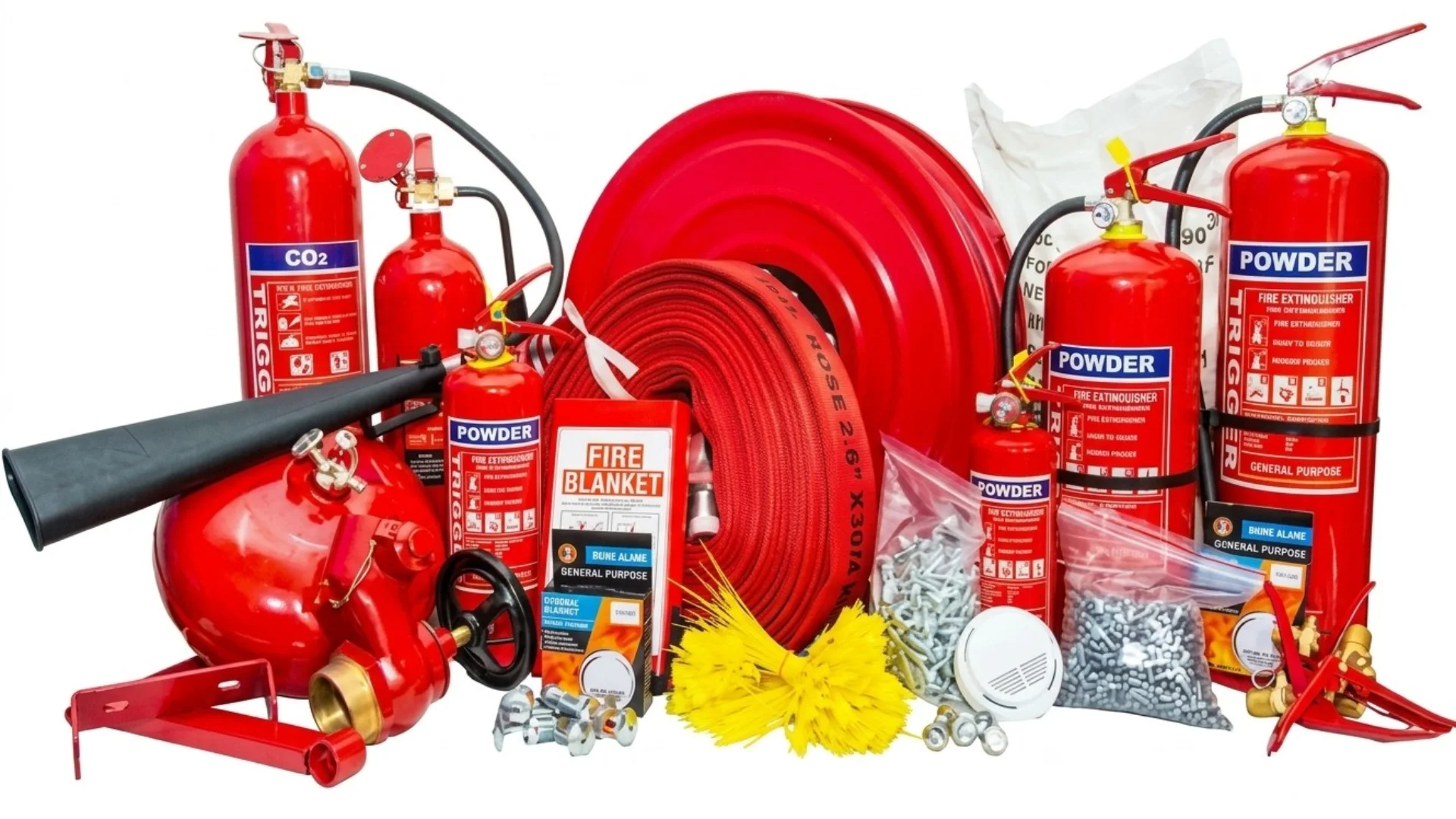
Fire extinguishers, firefighting equipment, fire alarm systems, smoke detectors, emergency exits, exit signs, and proper protective equipment should be used at construction sites in Pakistan. Fire hydrants, hose reels, sprinkler system, and emergency light are other devices that might be required based on project size and risk of fire safety.
Small electrical sparks and welding sparks might cause fires if they come in contact with wood, paints, fuels, and other flammable substances. From the preface of the Government of Pakistan's Building Code of Pakistan Fire Safety Provisions 2016, it is known that roughly 70% of fire-related deaths were registered in existing residential, commercial, and industrial buildings due to a lack of fire safety and protection systems.
This indicates the significance of fire protection system installation prior to the occupation of buildings. The correct fire safety equipment and the training of workers may assist in handling such incidents at early stages.
Common Causes of Construction Site Fires
Fire safety is an essential part of any construction process. Whether the constructors are working on a 5 marla house, a commercial plaza, or an industrial warehouse, there will be different risks of fire during the construction process.
The risk could be due to electrical fittings, welding, cutting, fuel, or other finishing materials. The temporary structures and unfinished buildings make the evacuation process more complicated.
Understanding the main causes helps in choosing the right fire protection equipment.
Electrical Hazards and Temporary Wiring
Electrical faults are a common source of fire risk during construction. Temporary electrical connections, damaged cables, and overloaded extension boards can generate heat and sparks.
Common electrical hazards include:
Damaged electrical cables and exposed wires.
Overloaded extension boards and distribution boards.
Loose electrical connections.
Poorly maintained generators.
Incorrect installation of temporary electrical systems.
Electrical equipment exposed to water and moisture.
Related: https://gharhub.com/electrical-wires-for-house-wiring
Welding, Cutting and Hot Work Risks
Welding, grinding, and metal cutting produce sparks and heat. These activities can ignite nearby combustible materials.
Common risks include:
Welding near wooden shuttering.
Grinding close to paint and chemical storage.
Cutting metal near fuel containers.
Sparks entering hidden gaps or lower floors.
Hot equipment being left unattended.
Flammable Materials and Chemical Storage
Construction sites store different materials that can increase fire risks. Store flammable products in approved containers and designated locations.
What Are the Fire Safety Requirements for Construction Sites in Pakistan?
Pakistan has an established building fire safety framework. Contractors should understand the applicable regulations before starting construction.
Consequences of Poor Fire Safety Management
Poor fire safety management can lead to:
Injuries and loss of life among workers.
Damage to construction materials and equipment.
Delays in the construction project.
Losses to contractors and property owners.
Damage to neighboring buildings and properties.
Applicable Fire Safety Regulations and Building Codes
The main national reference is the Building Code of Pakistan, Fire Safety Provisions 2016, developed by the Pakistan Engineering Council (PEC) in collaboration with the National Disaster Management Authority (NDMA).
The code provides requirements relating to:
Fire prevention and protection.
Fire detection and alarm systems.
Portable fire extinguishers.
Firefighting systems and water supplies.
Emergency exits and evacuation.
Construction, alteration and demolition safety.
Combustible waste management.
Fire Safety Requirements for Construction Contractors
Contractors need to integrate fire safety measures into their regular construction site management practices.
These include the following:
Preparation of a fire safety plan for the construction site.
Provision of adequate fire extinguishers.
Maintenance of emergency escape routes.
Installation of appropriate fire alarm systems.
Emergency procedure training for the workforce.
Inspection of firefighting equipment.
Control of welding and other such fire hazard activities.
Safe storage of flammable materials.
The Punjab Emergency Services Department provides the Punjab Community Safety Act 2021, Punjab Community Safety Buildings Regulations 2022, and a building safety inspection checklist. Contractors should check the current applicable requirements with the relevant authority before proceeding.
Essential Fire Safety Equipment Required on Construction Sites
Fire safety equipment should be selected according to the hazards, construction stage, building layout, and number of workers.
The following equipment can help protect workers and construction property.
1. Fire Extinguishers
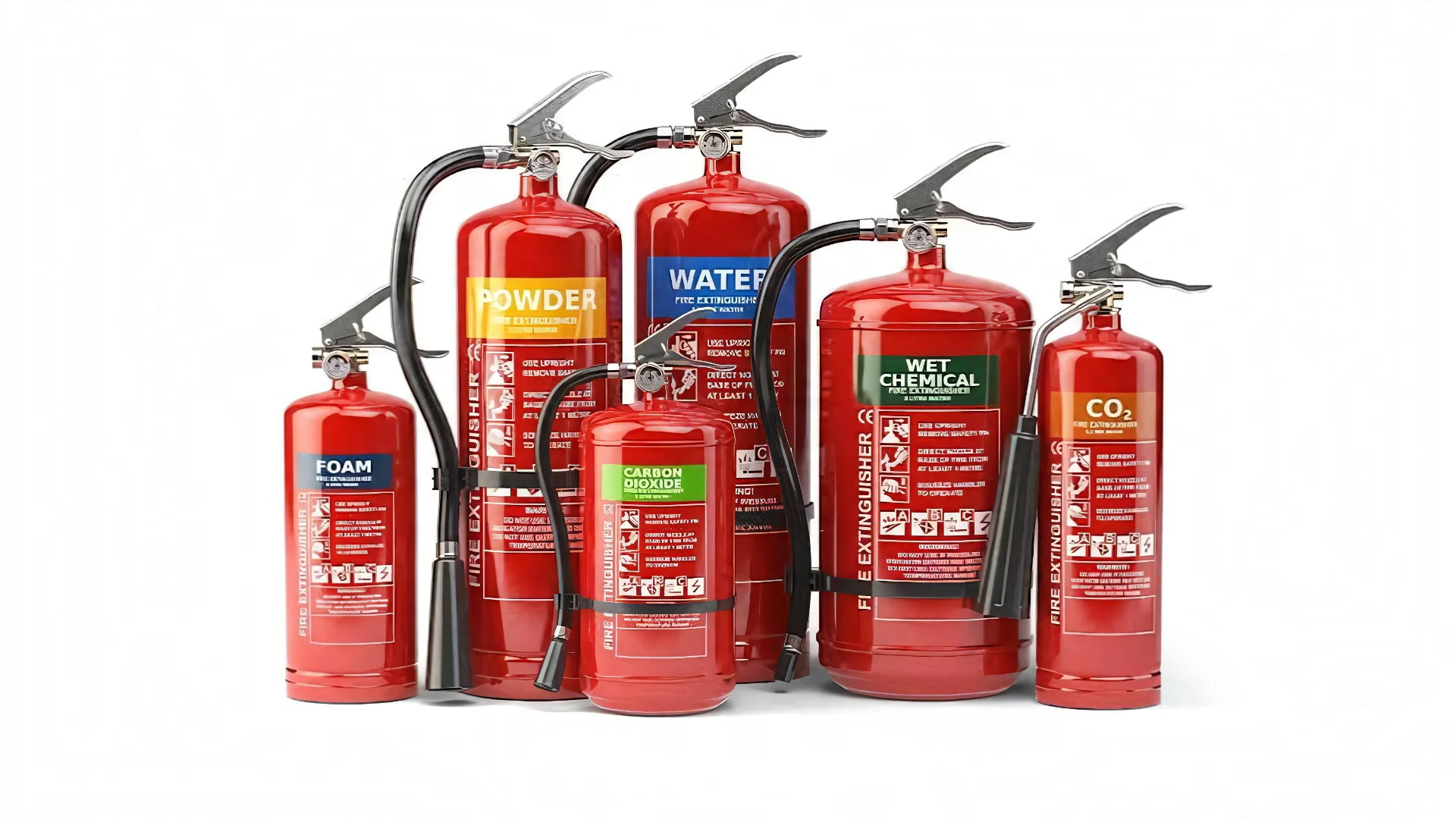
Fire extinguishers are among the most important pieces of fire safety equipment on construction sites. They help trained workers control small fires before they spread.
Important selection tips:
Keep suitable extinguishers near electrical work areas.
Place appropriate equipment near welding and cutting activities.
Protect fuel and paint storage areas with suitable extinguishers.
Make operating instructions visible.
Keep extinguishers accessible and inspected.
Replace or recharge discharged extinguishers.
2. Fire Hose Reels and Fire Hydrants
Fire hose reels and hydrants provide access to water for firefighting. A fire hose reel is generally installed inside or near a building and allows trained personnel to direct water towards a fire. Fire hydrants provide water connections for firefighting operations, including the use of fire department hoses.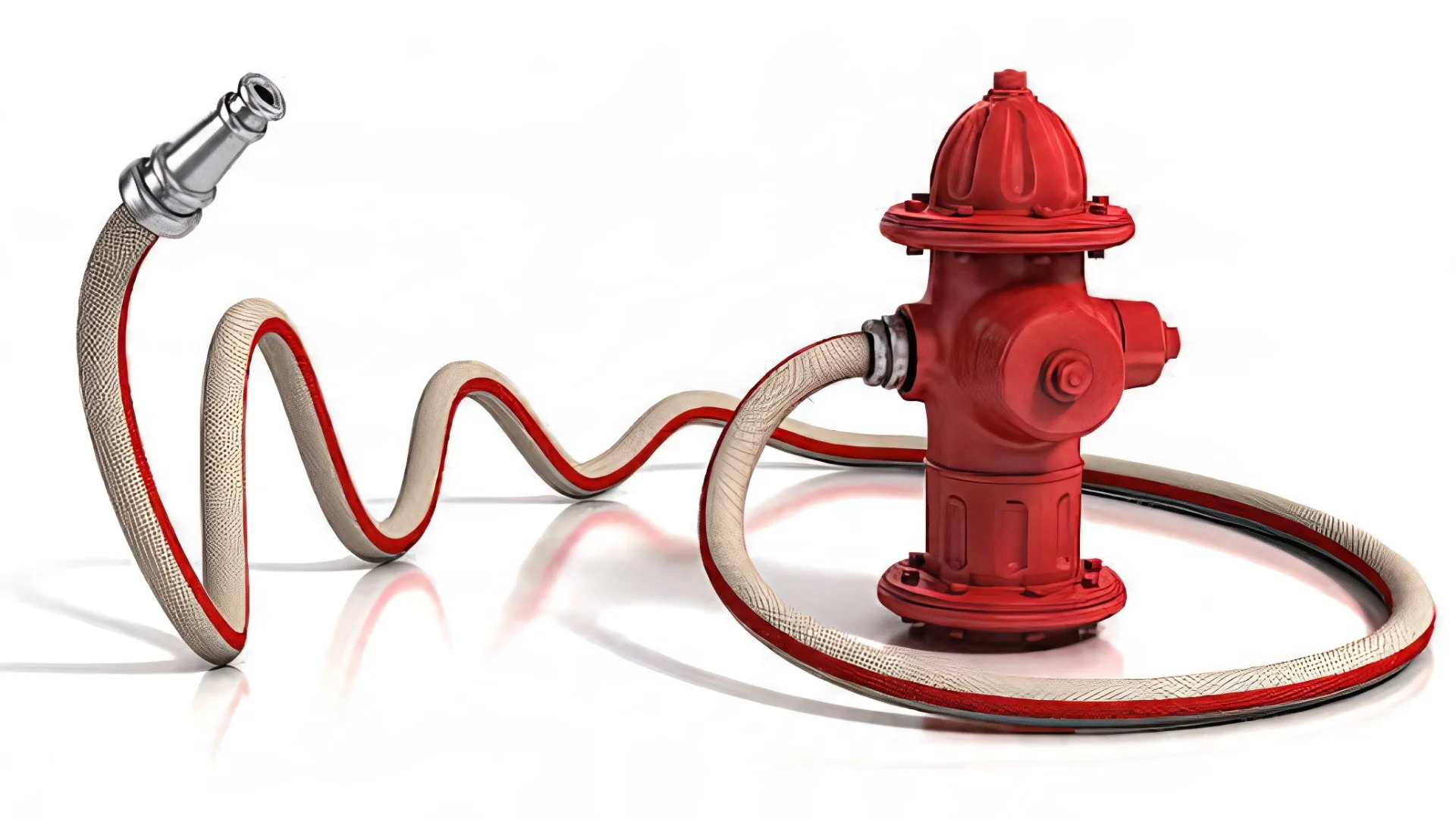
3. Fire Blankets
Fire blankets are made from fire-resistant materials and are useful for controlling small, manageable fires or protecting nearby combustible surfaces during hot work.
They can be used for:
Covering small combustible materials near welding areas.
Protecting surfaces from welding sparks.
Smothering certain small fires where the blanket is suitable.
Providing additional protection during metal cutting.

4. Smoke and Fire Detection Systems
Smoke detectors respond to smoke particles, while heat detectors respond to a rise in temperature or a fixed temperature threshold, depending on their design.
These systems are useful in:
Temporary site offices.
Electrical rooms.
Storage areas.
Enclosed construction spaces.
Buildings where workers are present during construction.
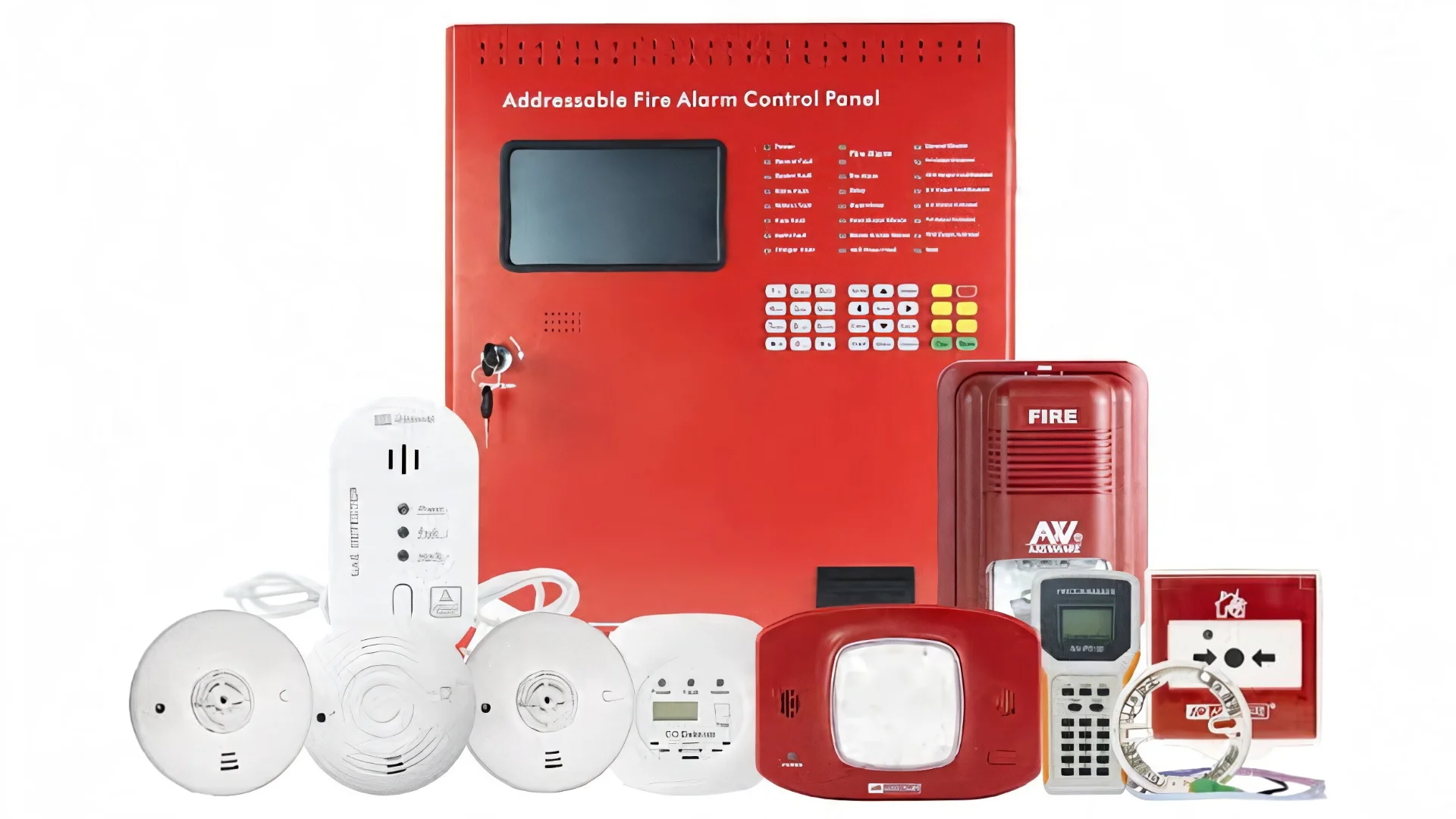
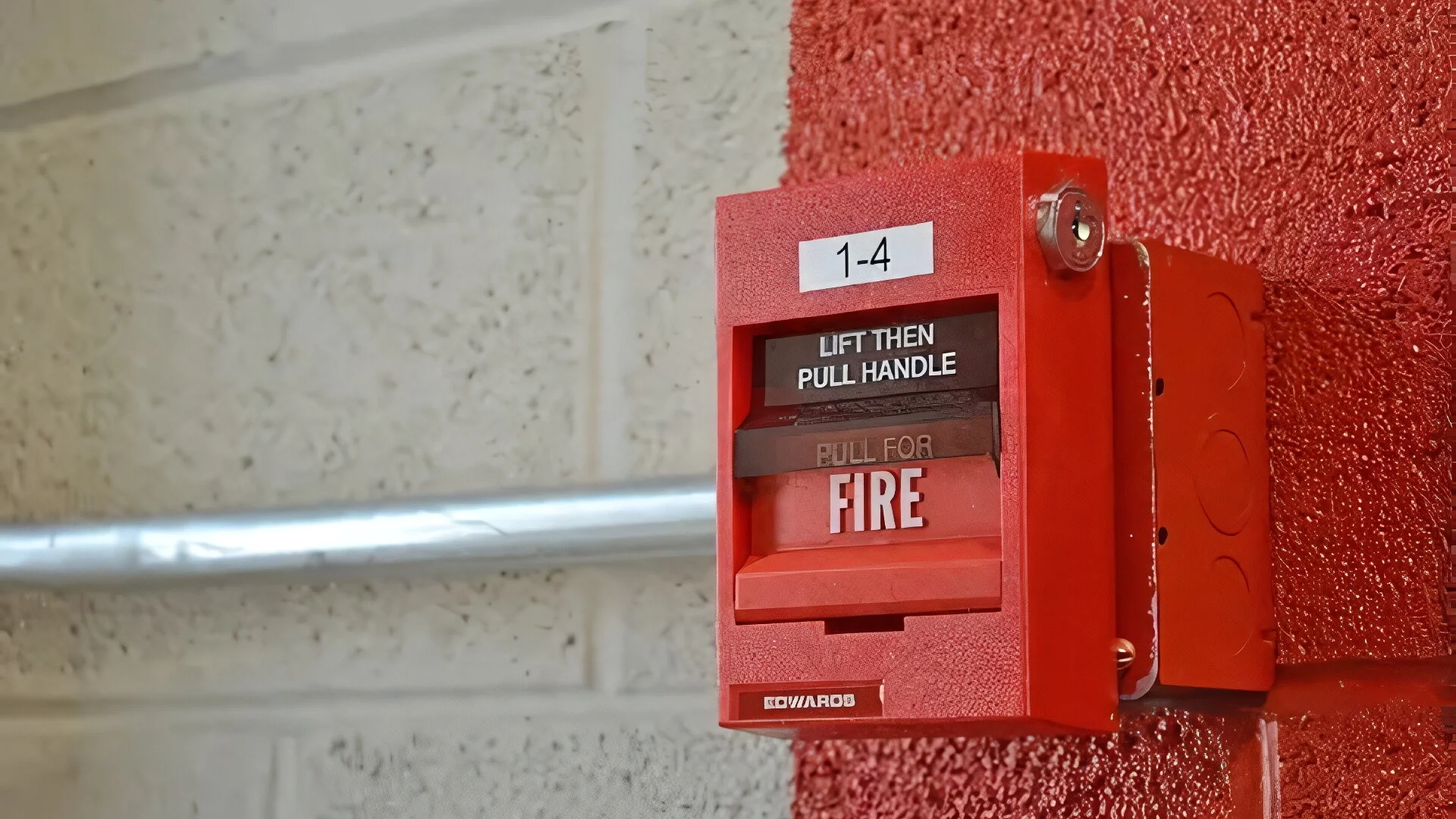
5. Emergency Fire Alarm and Warning Systems
Fire alarm systems alert workers when a fire is detected. A manual alarm point allows a worker to raise the alarm without waiting for an automatic detector.
They may include:
Manual fire alarm call points.
Audible sirens.
Alarm control panels.
Automatic smoke or heat detection.
Visual warning devices where required.
Emergency communication systems.
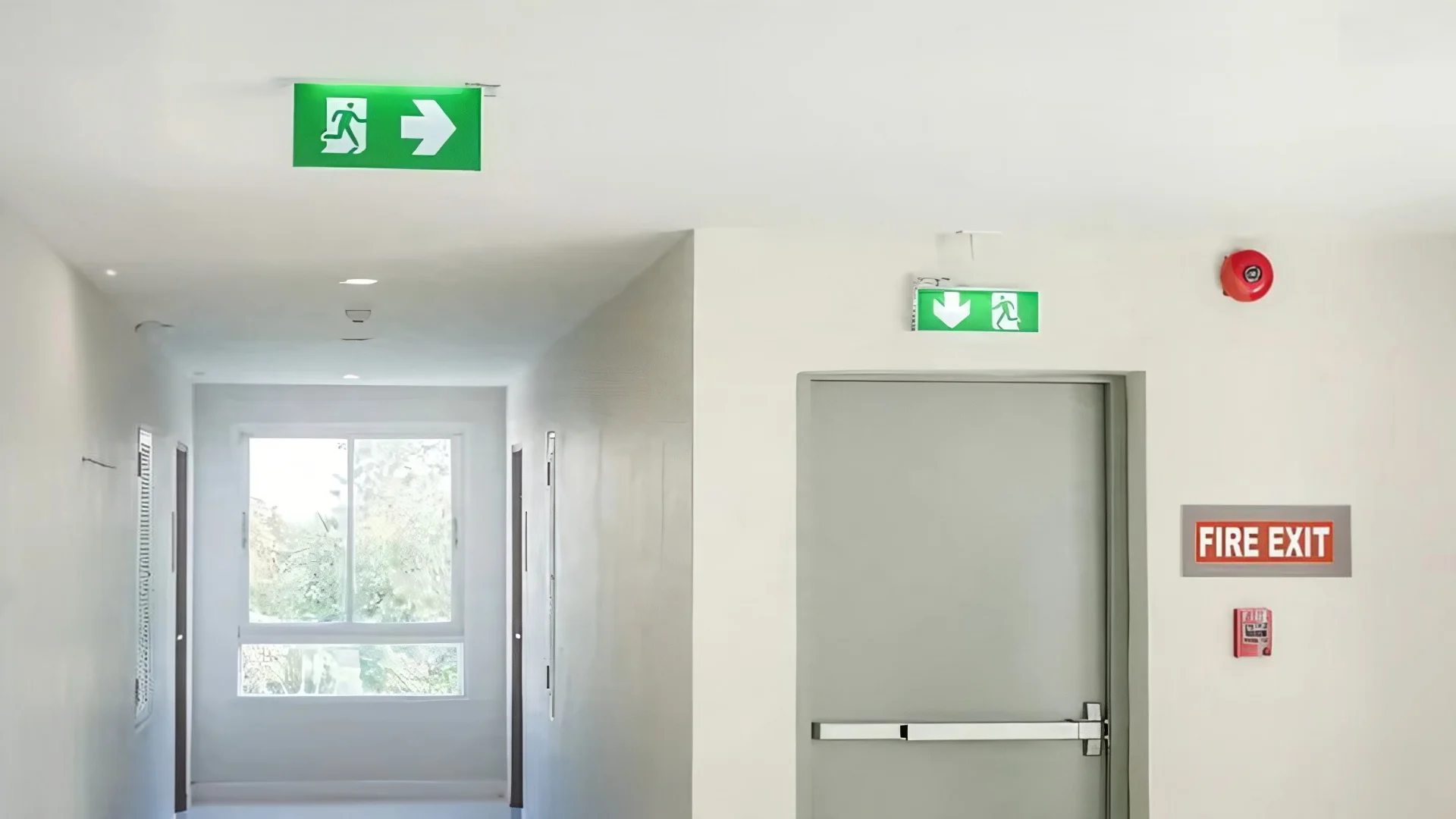
6. Emergency Exit Signs and Lighting
Emergency exit signs help workers identify safe escape routes during a fire. Emergency lighting helps workers move safely when normal electrical power fails or visibility becomes poor.
Essential features include:
Clearly visible exit signs.
Directional evacuation signs.
Emergency lighting along escape routes.
Accessible staircases and walkways.
Clearly identified assembly points.
7. Fire Safety PPE and Protective Equipment
Personal protective equipment (PPE) helps protect construction workers from heat, sparks, and other hazards. Workers should use PPE according to the activity and manufacturer's instructions.
PPE does not replace firefighting systems or emergency evacuation procedures. Workers must not attempt to fight a large or spreading fire simply because they are wearing protective clothing.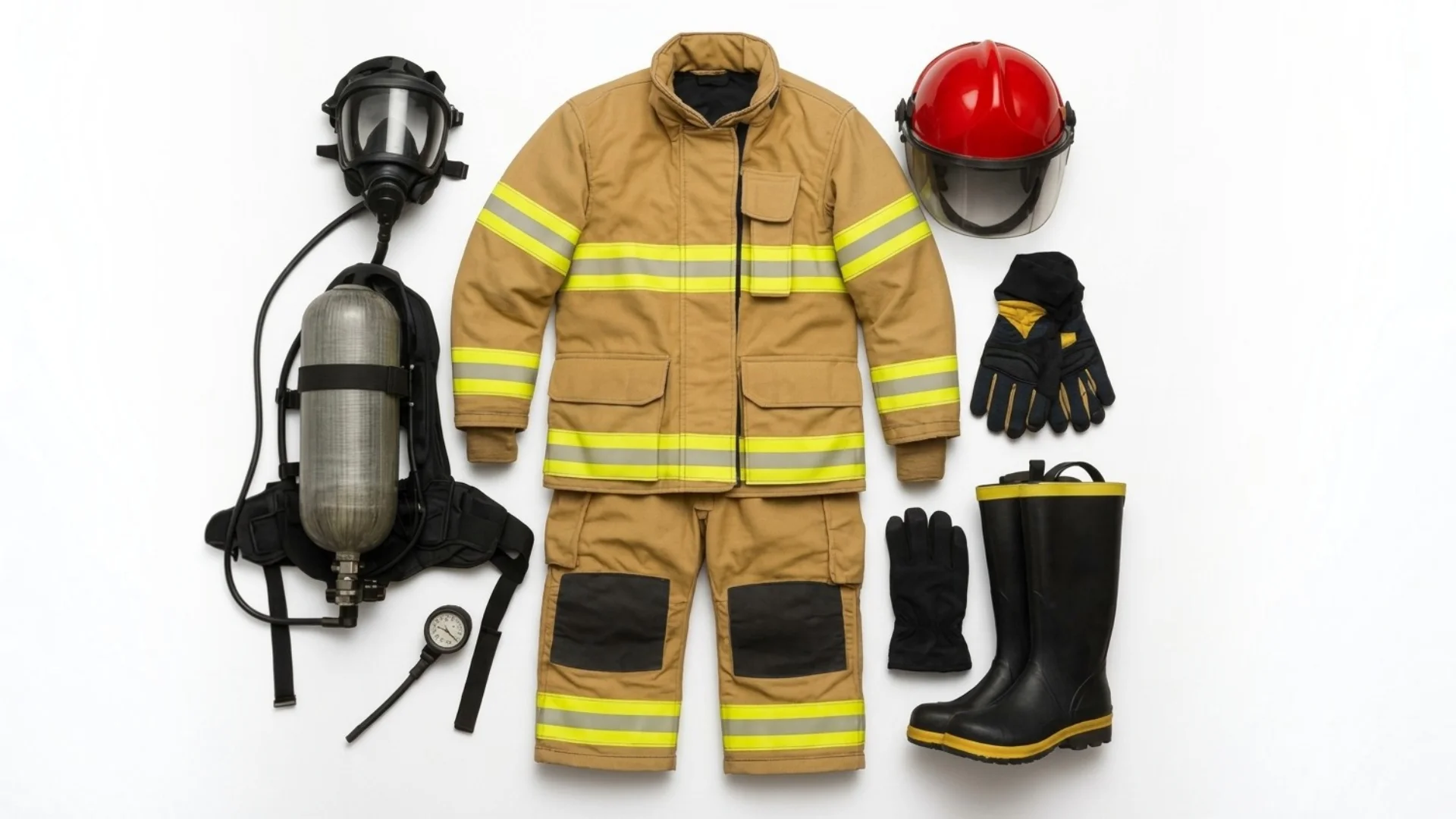
How to Choose the Right Fire Safety Equipment for a Construction Site
Selecting fire safety equipment requires more than purchasing a few extinguishers. Contractors should assess the complete site and understand the risks associated with each activity.
Site Fire Risk Assessment & Selection of Equipment: Undertake an assessment of fire risks at the site and the equipment required for each section.
Selection of Equipment Depending on Site Dimensions: A small project involving housing and a huge commercial building would involve different considerations.
High-Risk Areas in the Site: Focus on high-risk zones characterized by ignition sources and materials that catch fire.
Residential Construction Equipment Required: Residential construction requires appropriate fire equipment for work on electricity, metalworking, timbers, and finishing works.
Commercial/Industrial Construction Projects and Appropriate Equipment: There is usually more detail involved in fire protection in such construction projects.
Accessibility & Visibility of the Equipment: The equipment must be visible and within easy access of the worker.
Product Identification & Information: Before purchasing the equipment, inspect the product identification.
Aag Se Hifazat: Fire Prevention Measures Every Construction Site Should Follow
Fire safety equipment can help control emergencies, but preventing fires is equally important. Contractors should establish simple rules that every worker can follow.
1. Implementing a Hot Work Permit System
A hot work permit is an approval process for activities that produce sparks, flames, or high temperatures.
2. Maintaining Electrical Safety
Electrical safety helps prevent fires caused by faulty connections and damaged equipment.
3. Safe Storage of Flammable Materials
Paints, solvents, fuel, and other combustible products should be stored in suitable approved containers.
4. Managing Construction Waste and Combustible Materials
Construction waste can quickly increase the intensity of a fire. The Pakistan Fire Safety Provisions 2016 require combustible waste, dust, and debris to be removed daily or more frequently when necessary for safe operations. Oily rags and similar materials must be stored in approved disposal containers.
5. Preventing Smoking-Related Fire Hazards
Smoking should be prohibited near fuel, paint, chemicals, and gas storage areas.
6. Conducting Daily Fire Safety Checks
Site supervisors should include fire safety in their daily inspection routine. Check the condition of extinguishers, electrical connections, temporary wiring, storage areas, and escape routes.
Common Fire Safety Mistakes on Construction Sites
Sometimes, even if the equipment is available, it is made useless due to mismanagement.
Use of Incorrect Fire Extinguisher
Blocking the Ways to Emergencies
Neglecting Equipment Inspection
Bad Storage of Flammable Substances
Hot Work without Caution
Lack of Training of Construction Workers
Delayed Emergency Response
People Also Searched For: https://gharhub.com/electric-socket-problems-causes-risks-safety
Conclusion
Fire safety devices are necessary components of responsible construction management in Pakistan. Devices such as fire extinguishers, alarm devices, smoke detectors, fire hoses, emergency exits, and protective devices help to save the lives of the workforce as well as construction property.
It should be noted that choosing the correct devices is not everything; the contractor should analyze specific threats and comply with fire safety rules. In addition to safety measures, the contractor needs to take care in sourcing quality building materials, electrical products, and finishes.
Frequently Asked Questions About Construction Site Fire Safety
1. What Kind of Fire Safety Equipment Should Be Available on Construction Sites in Pakistan?
The most common fire safety equipment comprises portable fire extinguishers, fire alarms, smoke detectors, fire blankets, emergency exit signs, and suitable personal protective equipment. More extensive projects will need hydrants, hose reels, sprinklers, and emergency lighting.
2. What Type of Fire Extinguisher is Most Suitable for Construction Sites?
ABC-rated dry chemical powder fire extinguisher is a good choice for many general construction hazards because it can tackle ordinary combustibles, flammable liquids, and some electrical equipment.
3. What Fire Safety Equipment is required at Welding Areas?
Suitable fire extinguishers, fire-resistant blankets or screens, and protective equipment for welders must be available in welding areas. A hot work permit system should also be used, along with removal of combustible materials.
4. What Are Typical Causes of Fires at Construction Sites?
Some typical causes are poor electrical connections, overloaded circuits, sparks from welding, grinding processes, and improper storage of fuel and paint. Accumulation of wood, plastic wrapping, and construction debris may cause rapid spread of fire.
5. Who Is Liable for Fire Safety at Construction Sites?
It is the duty of the contractor, project managers, and other competent authorities to provide adequate fire safety measures.