 Contact Us
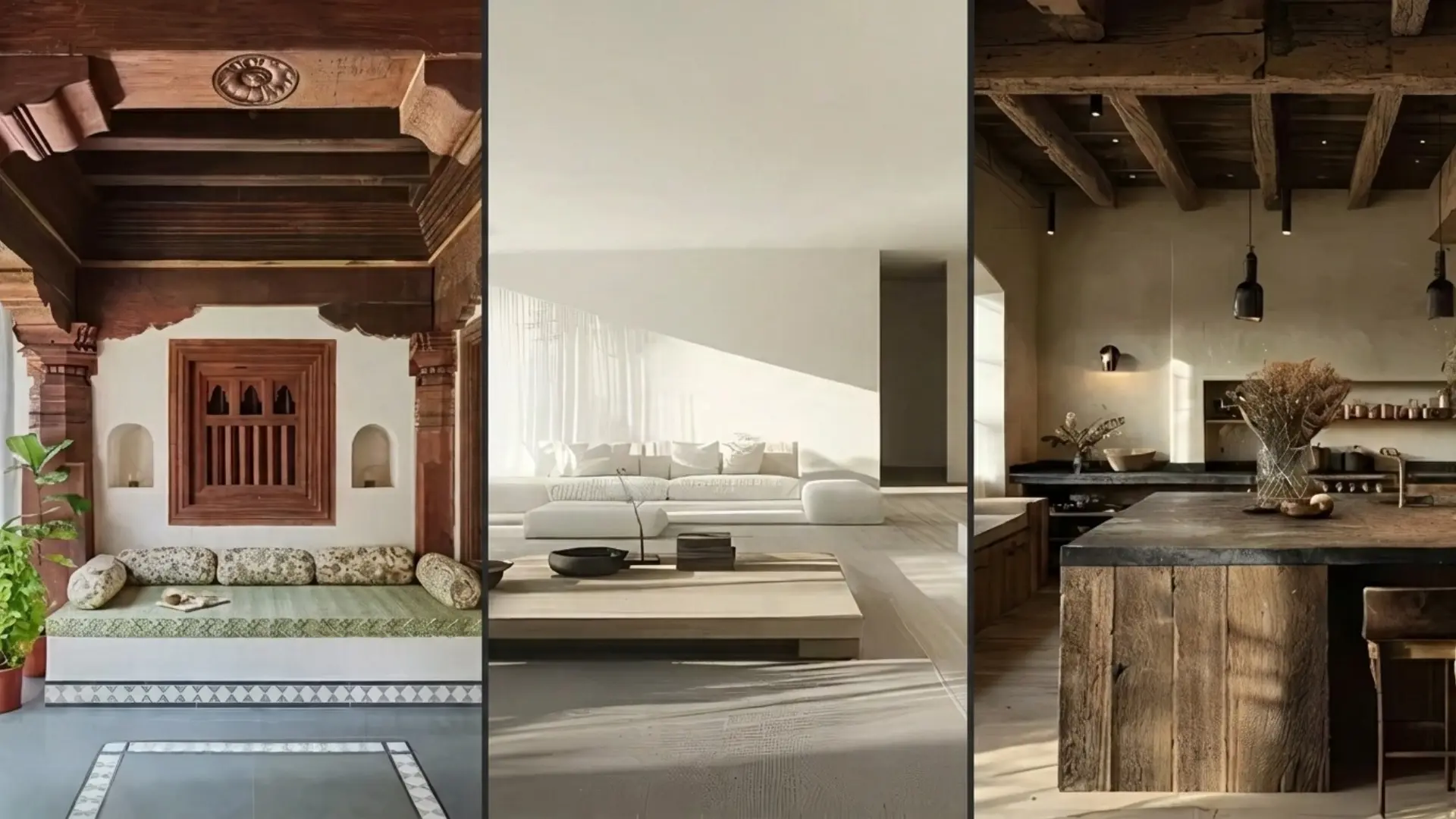
Some budget-friendly winter home design ideas for Pakistan include the use of warm colors inside, the use of thick curtains and rugs, better lighting, arranging furniture, and sealing gaps in doors and windows. Such simple changes will be able to improve the comfort of living rooms, bedrooms, and apartments without any costly renovations and construction.
Winter home design is important in Pakistan since the climate differs greatly from region to region. Houses located in Lahore, Islamabad, Murree, and northern regions will require different ways to achieve indoor comfort. In some parts, even mild winters can cause discomfort due to cold floors, window gaps, and lighting issues.
A warm and comfortable interior does not necessarily require a big renovation budget. Some practical changes can help achieve better comfort within a limited budget.
Common Winter Challenges in Pakistani Homes
Before selecting any decoration, you should determine what problems have made your house uncomfortable in the winter. A change of decor is never going to fix a cold room if cold air keeps blowing through holes in your windows.
Common Winter problems include:
Cold floors: Floors made of marble and ceramic tiles become very cold.
Window gaps: Malfunctioning windows let in cold air.
Insufficient insulation: Walls, roofs, and floors lack proper insulation against outside temperatures.
Shortage of natural light: Shorter days and windows that do not let sunlight in lead to dark rooms.
Expensive heating: Constant use of heaters results in increased cost of electricity or gas.
Insufficient ventilation: Closing all windows leads to a lack of ventilation, particularly when using indoor heating appliances.
The first step is to understand which problems need practical repairs and which can be improved through affordable decoration.
Budget-Friendly Winter Home Design Ideas in Pakistan
You do not need to redesign your entire house to create a comfortable winter interior. Start with simple changes that improve the appearance and everyday use of each room.
For more inspiration, explore interior design trends in Pakistan.
1. Use Warm Colours to Create a Cozy Interior
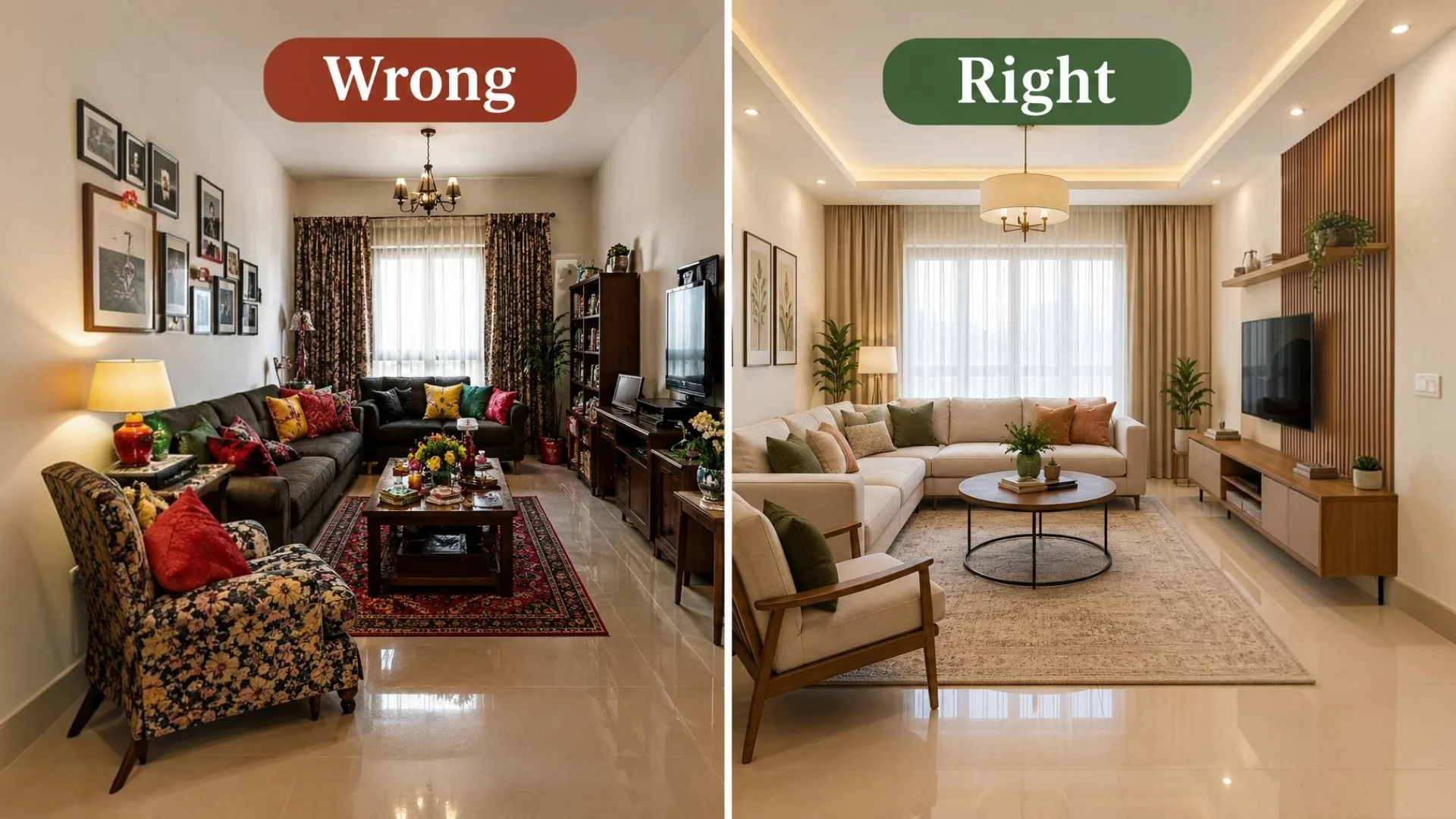
Colours can change how a room feels. In winter, warm, earthy shades such as beige, brown, mustard, or olive green can make interiors feel more inviting. You do not have to repaint every wall. Consider painting one feature wall or changing cushion covers to introduce warmer shades.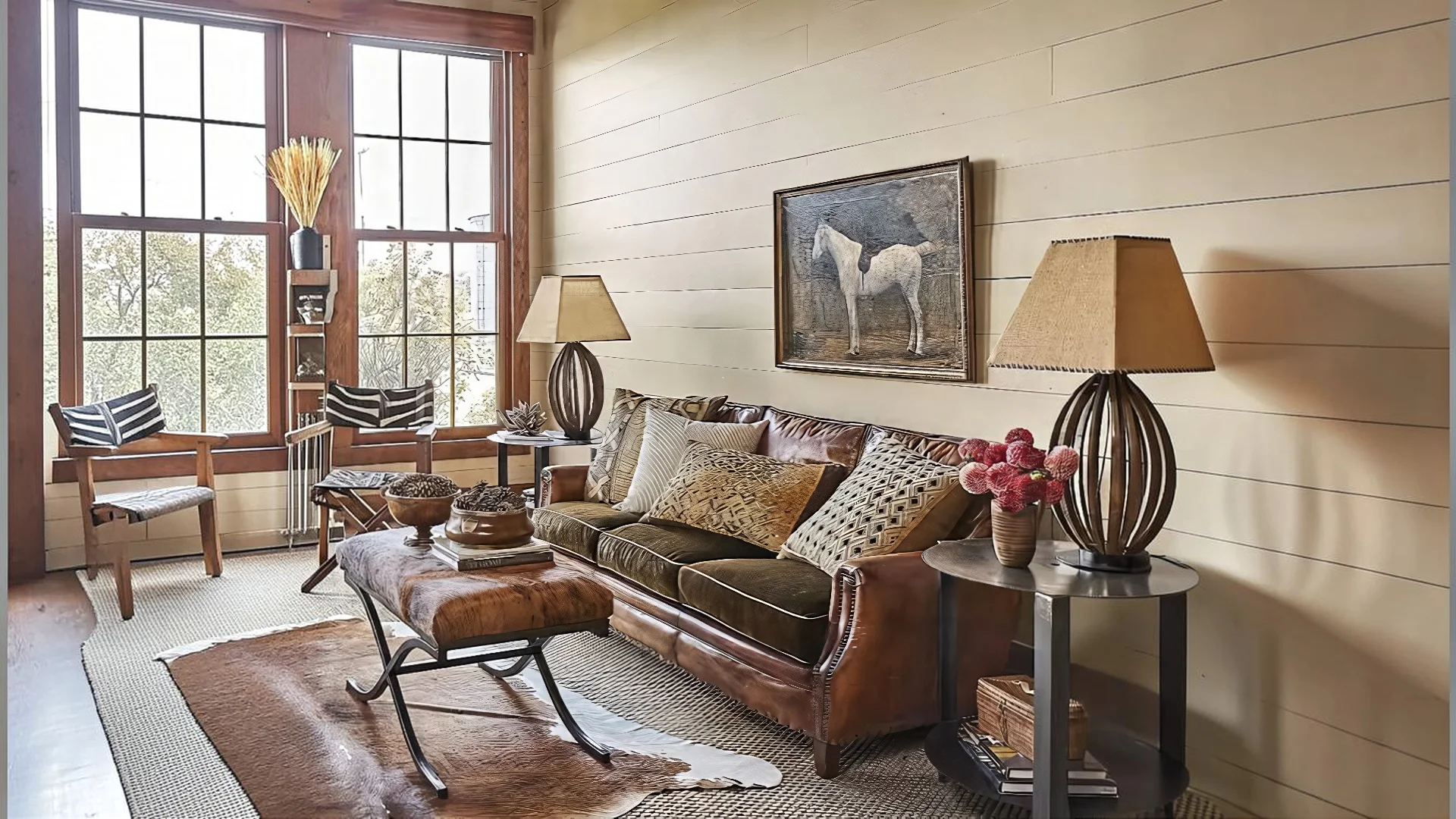
2. Add Curtains to Improve Comfort and Privacy
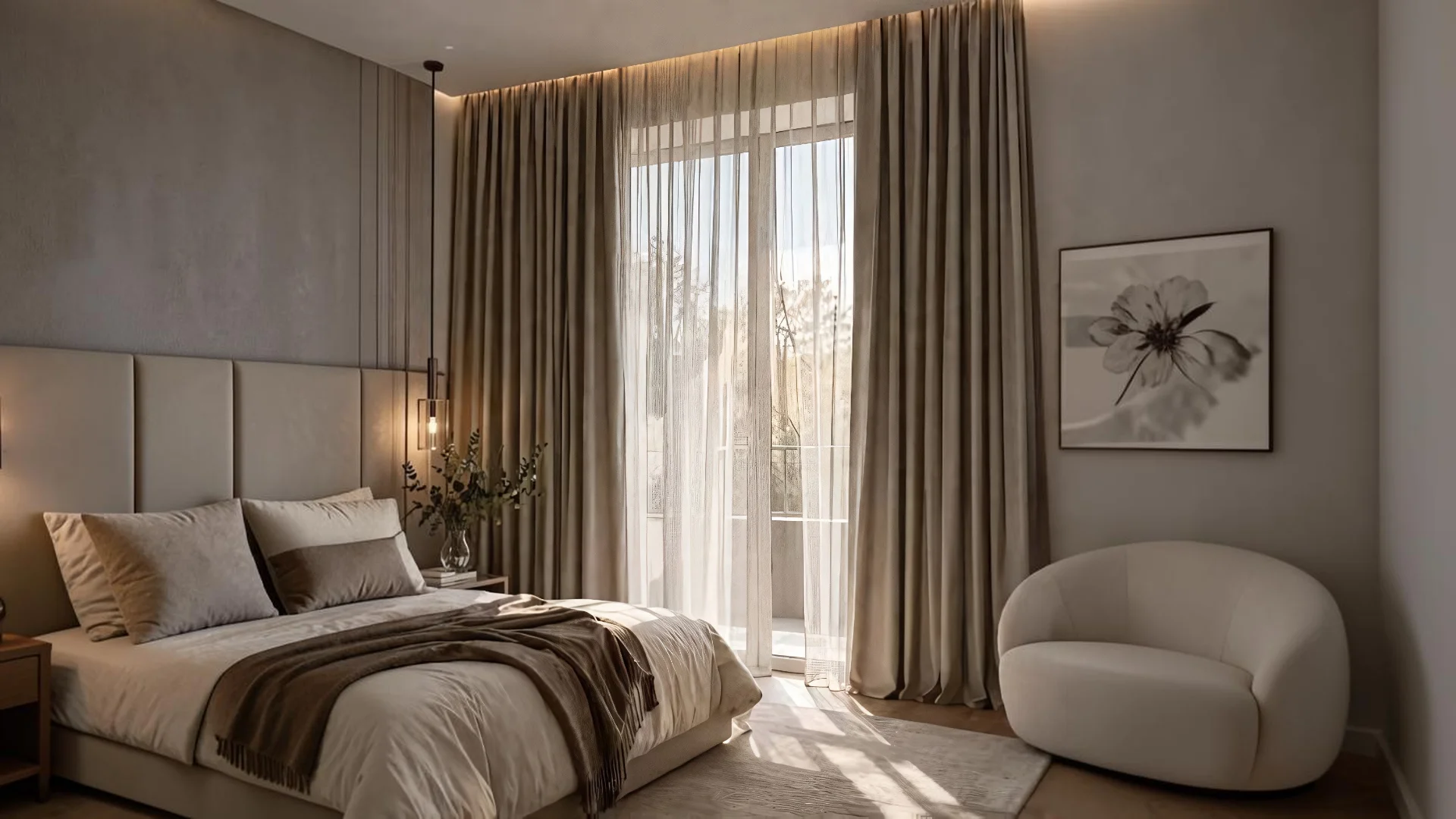
Curtains are useful for both decoration and indoor comfort. Suitable curtains can help reduce cold air movement around windows and make a room feel more enclosed. Layered curtains provide additional coverage and privacy.
Choose curtains that cover the window properly. Check the sides and top for gaps where cold air may enter.
3. Add Rugs and Carpets for a Warmer Interior
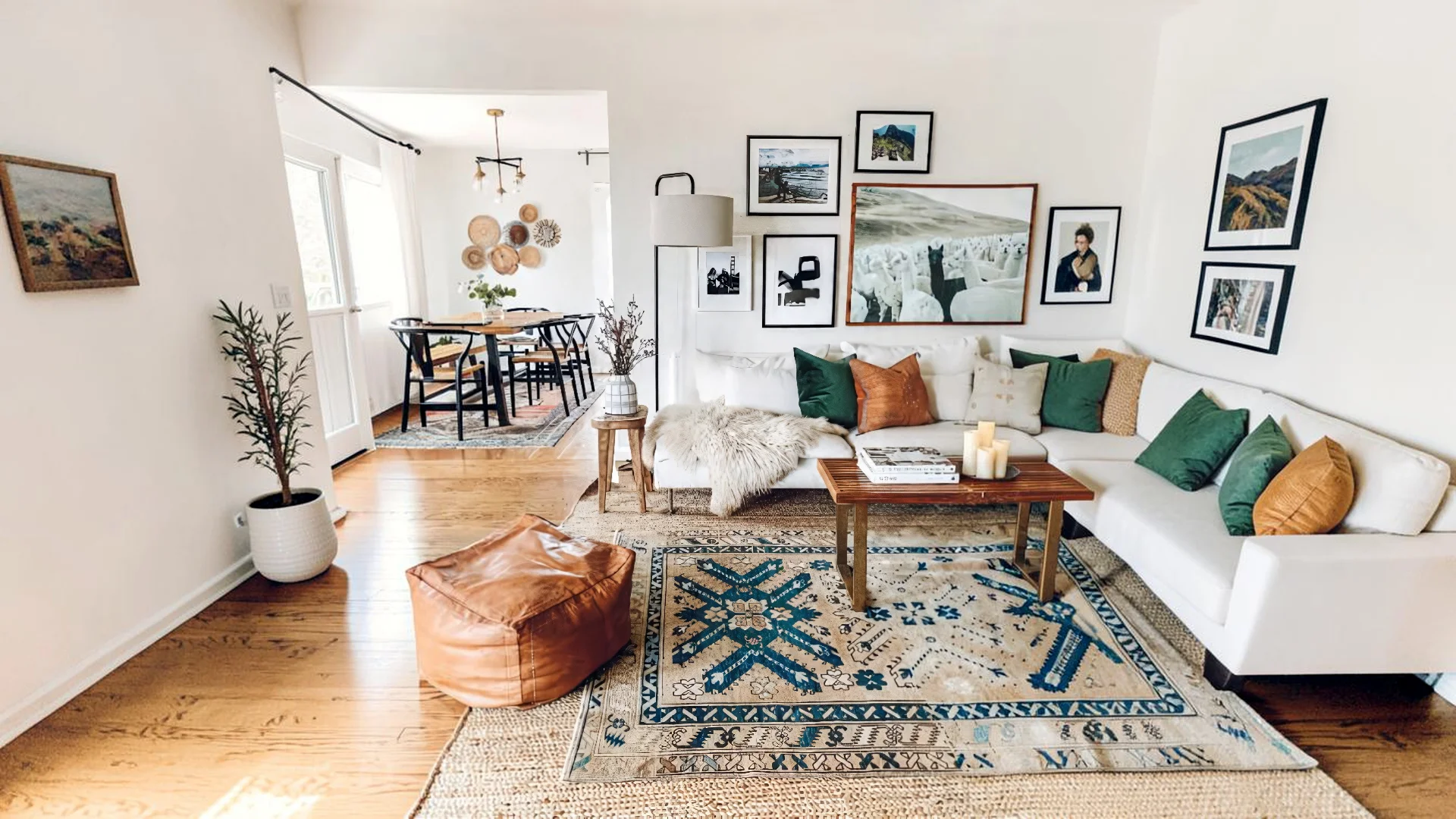
Cold flooring can make bedrooms and living rooms uncomfortable. Rugs and carpets provide a softer surface underfoot and improve the appearance of a room. Remember that rugs improve surface comfort but do not replace proper floor insulation.
4. Improve Winter Lighting With Warm Light
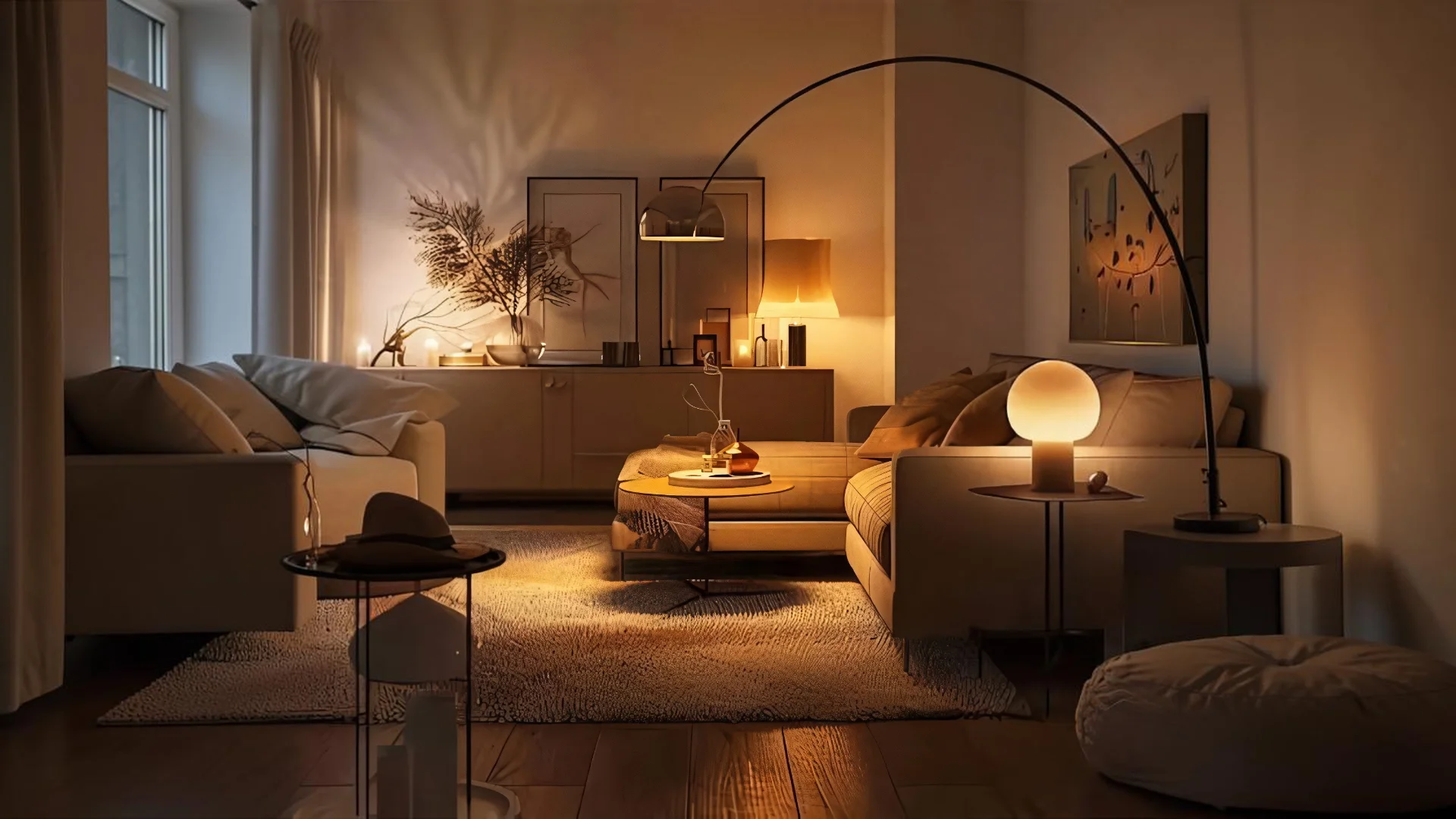
Lighting plays an important role in winter home decoration. A room with suitable lighting can feel more welcoming, especially during evenings.
Consider three lighting options:
Lighting type | Best for |
Warm white LED | Bedrooms and living rooms |
Task lighting | Study areas and kitchens |
Accent lighting | Walls and decorative corners |
5. Rearrange Furniture for a Cozy Winter Layout
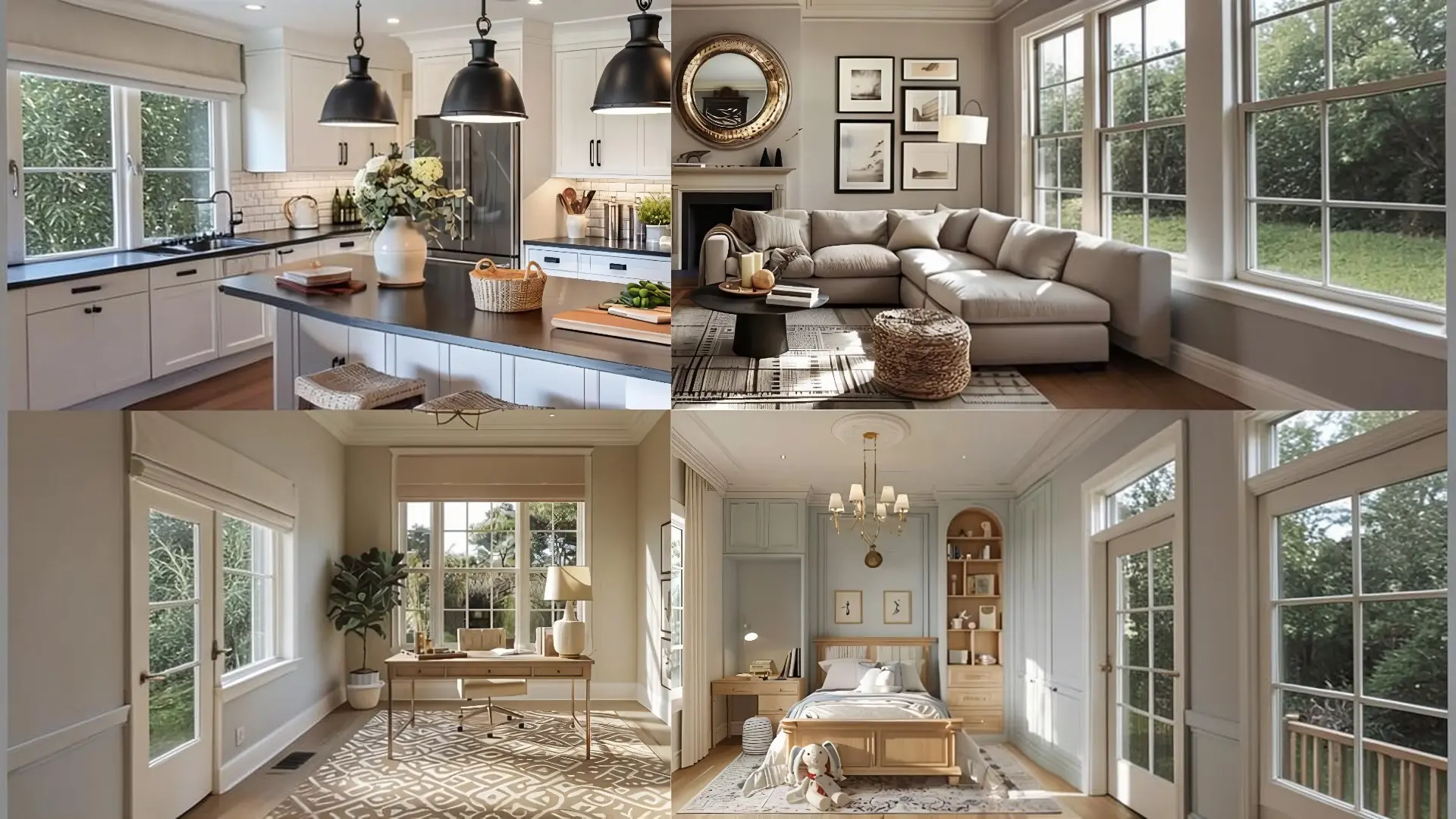
Sometimes, the most affordable home improvement is rearranging furniture you already own. A practical winter layout should make the room comfortable without blocking natural light or ventilation. Keep windows accessible so sunlight can enter.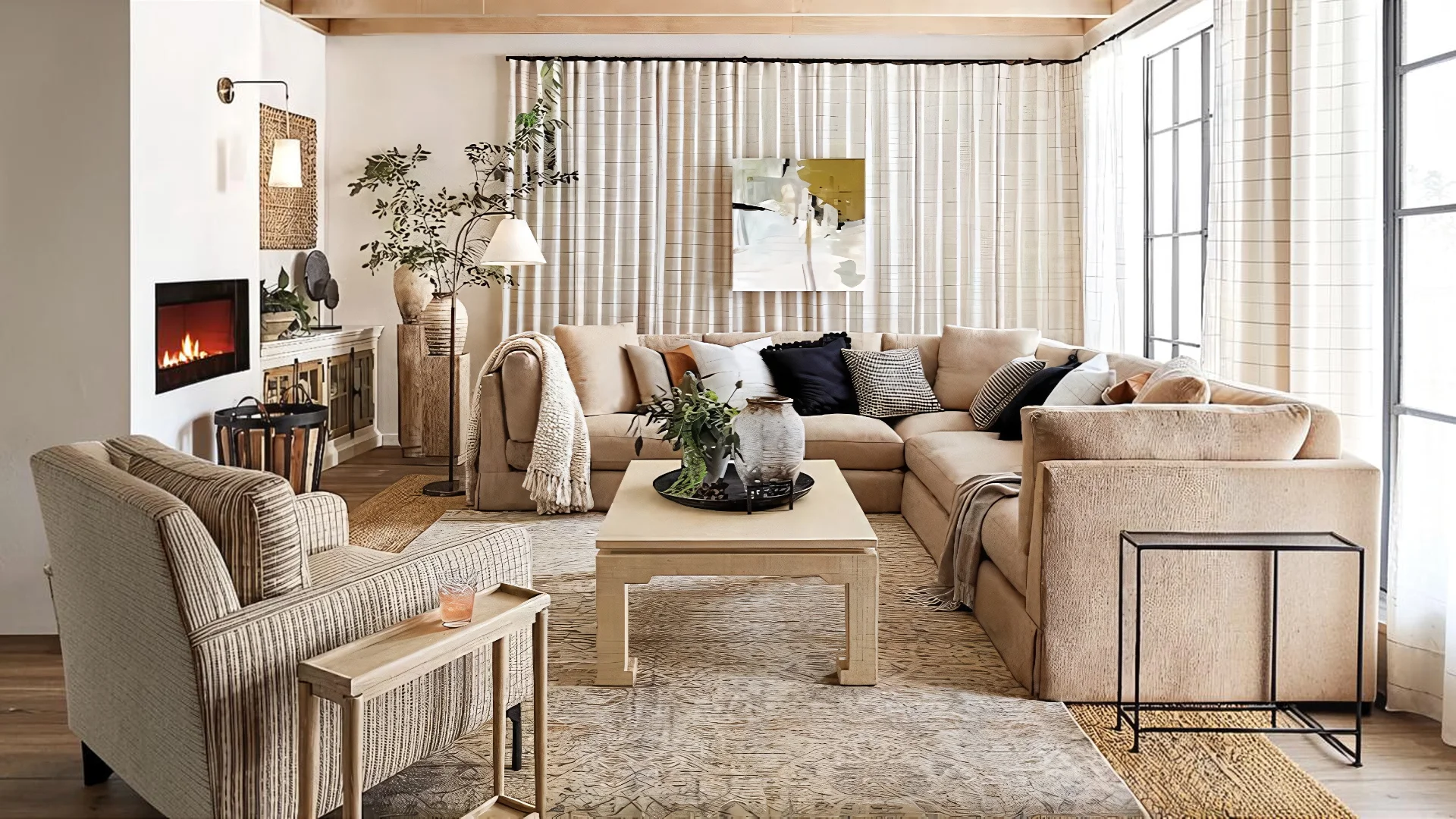
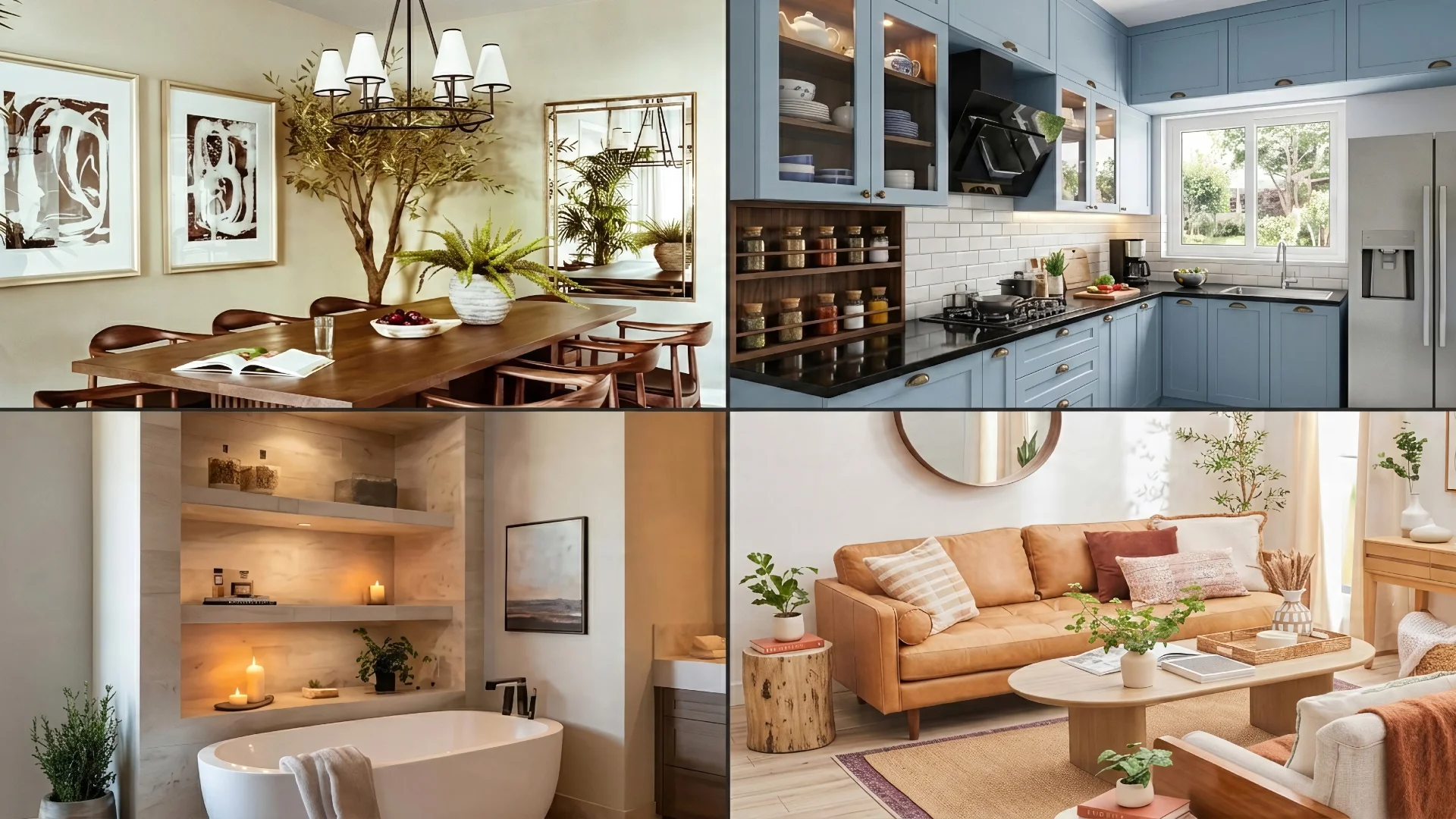
6. Decorate Home With Winter Accessories and Add Indoor Plants
Empty walls can make a room look unfinished. You can improve their appearance with affordable decorative accessories.
Some suitable options include:
Family photographs in matching frames.
Wooden wall decorations.
Simple artwork with warm colours.
Decorative mirrors.
Woven wall hangings.
Small shelves with carefully selected accessories.
Indoor plants can bring colour and a natural appearance to winter interiors. Choose plants according to the available sunlight and room conditions.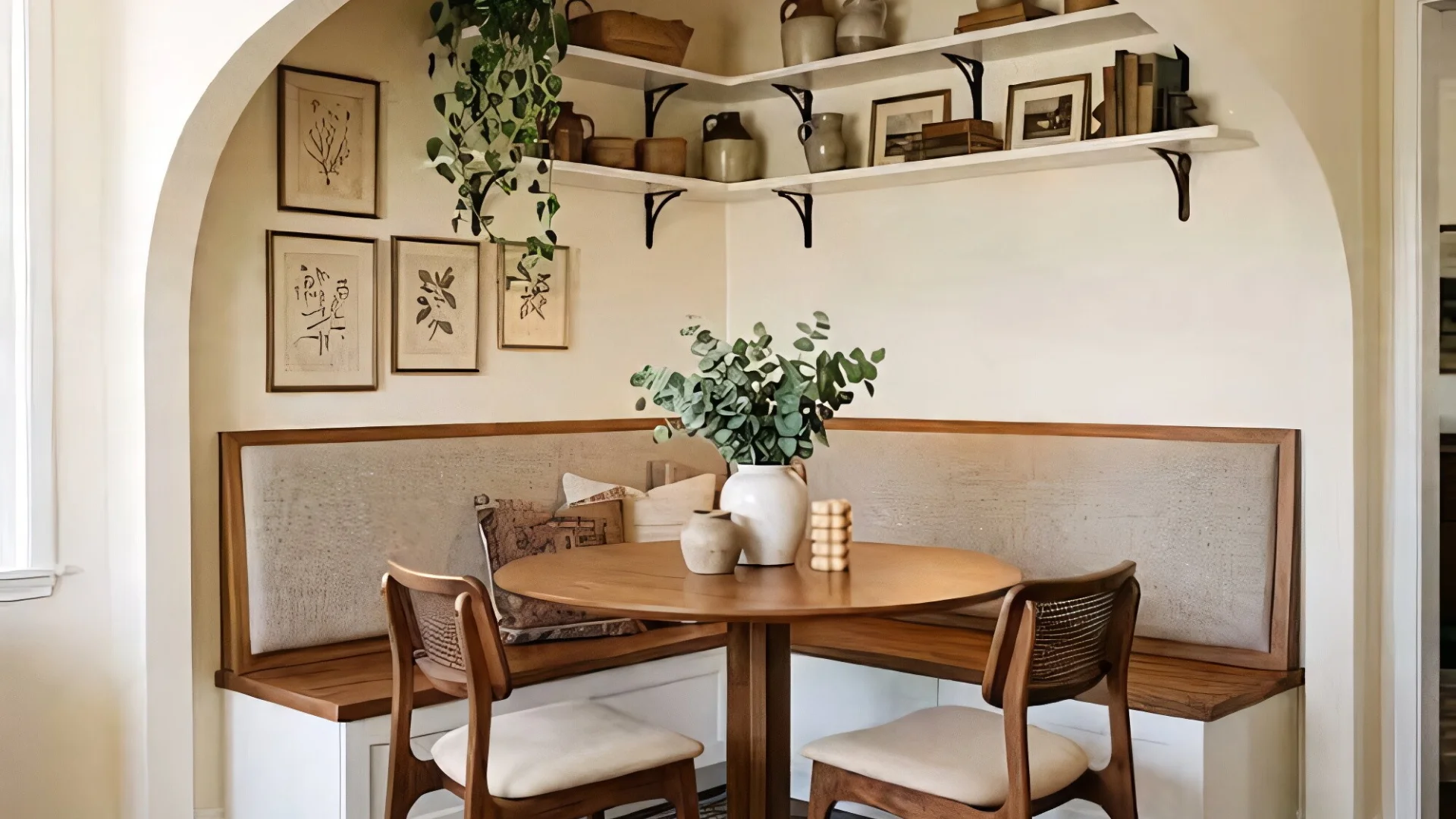
7. Make Affordable Kitchen Décor Updates
The kitchen is one of the most frequently used areas of a Pakistani home. Small improvements can make it more organised and attractive during winter. Change old cabinet handles and organise utensils using wall-mounted storage. Keep countertops clean and organised. Avoid placing decorative materials near cooking flames or hot surfaces.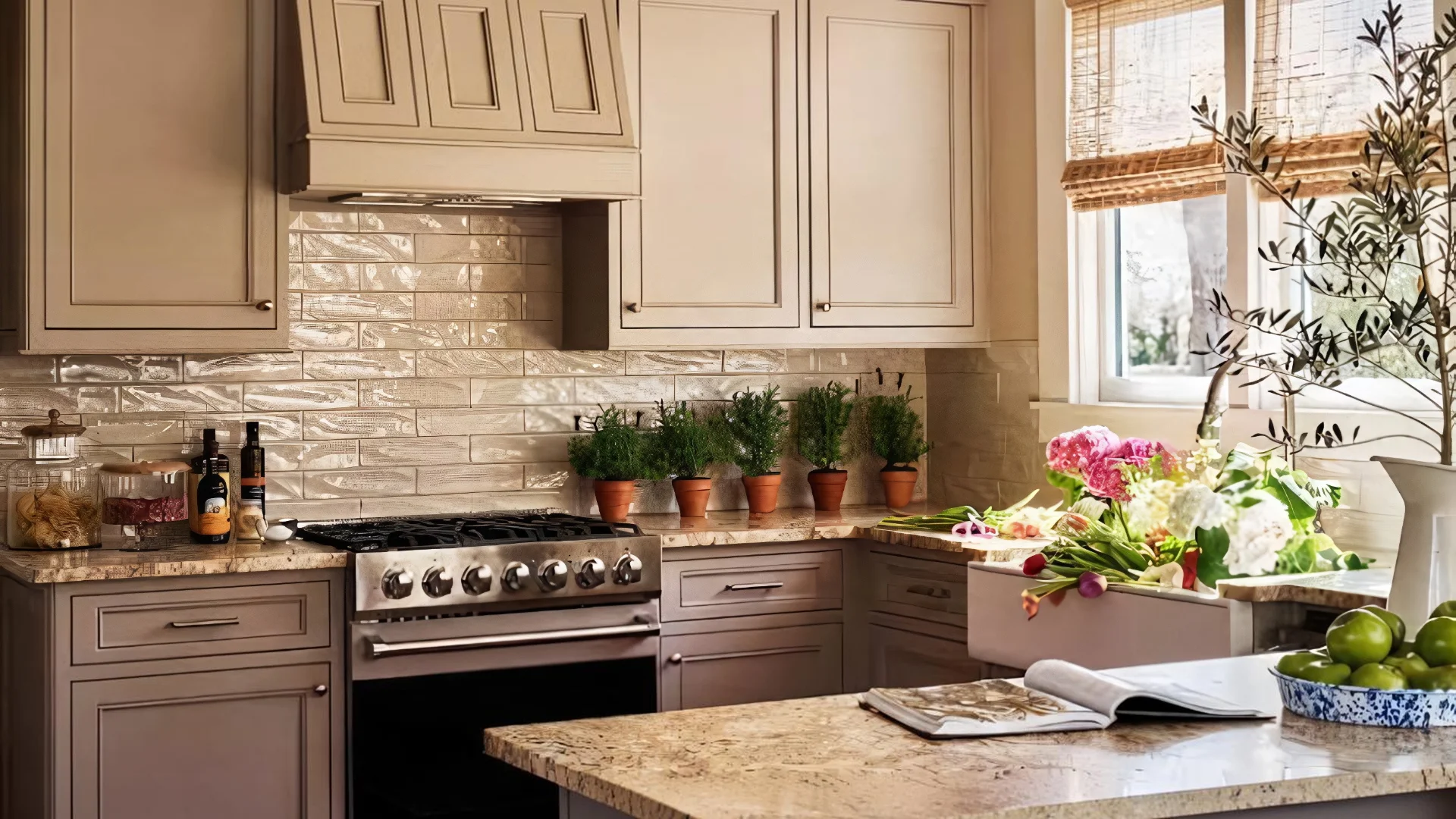
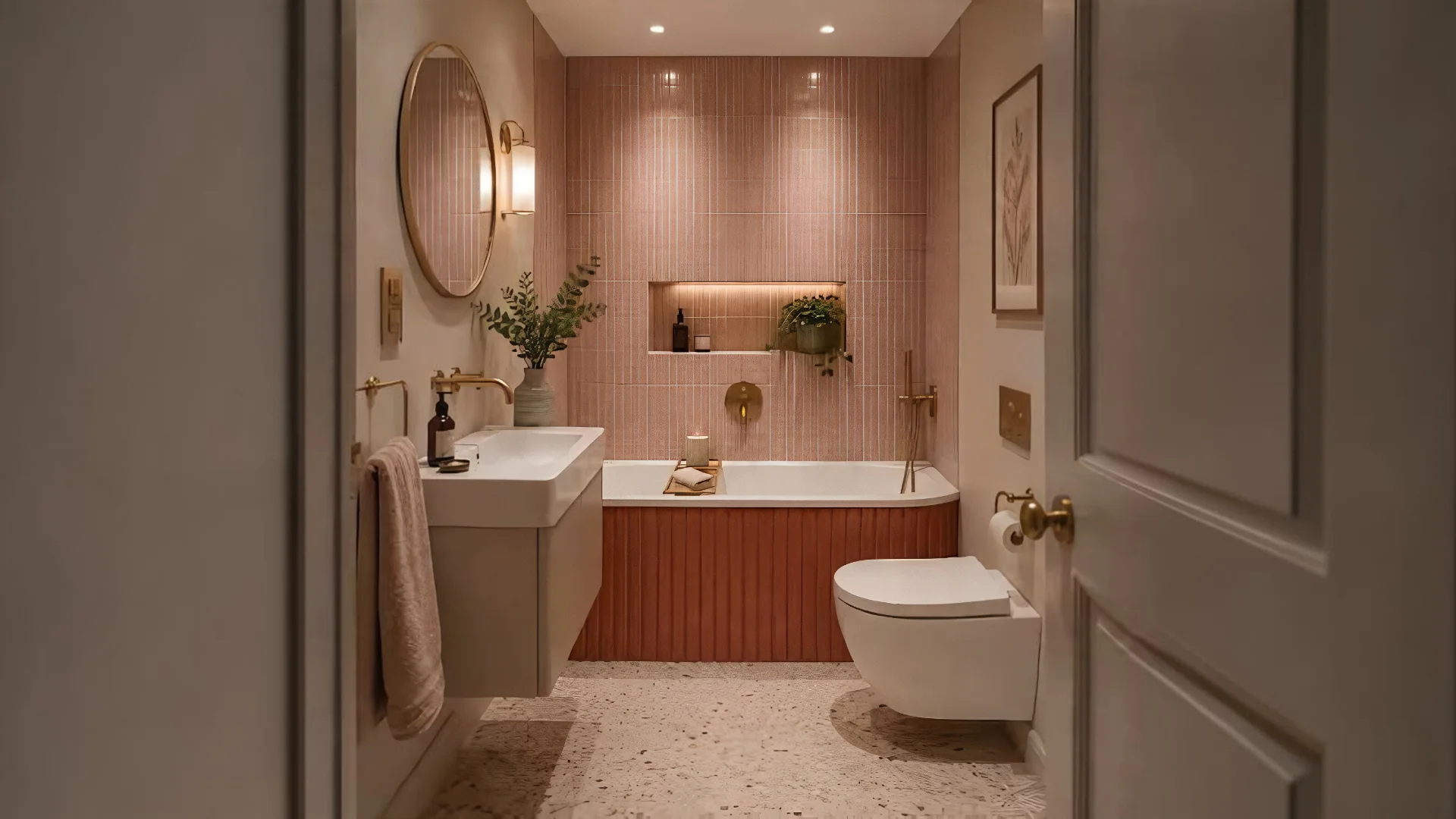
8. Make Affordable Bathroom Finishing Updates
Bathrooms can feel especially uncomfortable during winter because of cold floors and poor ventilation.
You can improve their appearance and usability through small updates:
Add washable, non-slip bathroom mats.
Replace damaged taps and shower fittings.
Repair leaking plumbing connections.
Improve lighting around the mirror.
Use suitable storage shelves.
Check tile joints for damaged grout.
Keep exhaust ventilation working properly.
If water is entering through walls or floors, identify the source before covering the affected area with new finishing materials. For major repairs, use suitable waterproofing products and follow the manufacturer's application instructions.
Winter Home Design Ideas for Different Pakistani House Sizes
Not every Pakistani home has the same layout. A small apartment needs different decoration choices from a larger independent house. The following table explains how to approach winter design according to available space.
Home type | Best winter design ideas | What to avoid |
Small apartment | Compact rugs, layered curtains and wall lighting | Large furniture and heavy decoration |
Small house | Warm colours, functional storage and suitable curtains | Blocking windows and walkways |
Medium-sized house | Room-based lighting, rugs and comfortable seating | Buying unnecessary decorative items |
Large house | Coordinated room colours, suitable lighting and insulation improvements | Spending equally on rarely used rooms |
How to Make Your Pakistani Home Warmer Without Expensive Renovations
Decoration improves appearance, but practical improvements are equally important. Before spending money on new furniture, inspect doors, windows, walls, and floors.
Seal Gaps Around Doors and Windows: Cold air enters the house through gaps around doors and windows.
Use Sunlight During the Day: Sunlight will make the indoors bright and warm.
Minimize Heat Loss from Floors and Walls: In cases where your house feels cold despite having your doors and windows closed, you should check the insulation in the building.
Ensure Good Ventilation: Poor ventilation allows pollutants and moisture to accumulate in the indoor air. This is especially so when using gas heaters or firewood stoves.
Do Not Use Unsafe Heating Methods in the House: Do not resort to improper ways of generating heat in the house, such as using open fire or poorly vented fuel-burning devices.
Energy Efficient Lighting: LED lighting can be used to cut down the amount of electricity used in your house.
The National Energy Efficiency and Conservation Authority promotes energy-efficient lighting and building improvements through its conservation framework.
How to Plan a Winter Home Design Budget
Winter home improvement should begin with an estimate of the budget required for the project. There is no need to go out and buy everything at once. The essential winter improvements should be made based on how much money you have.
Step 1: Identify the Essential Winter Improvements
Step 2: Begin by identifying the necessary rooms.
Step 3: Make a list of:
Windows that let in cold air.
Doors with broken or damaged frames/seals.
Rooms with unsuitable flooring.
Inappropriate light settings.
Damaged walls that require painting/plastering.
Bathrooms with damaged fixtures/ventilation.
Step 4: Do Budgeting for Each Room
Step 5: Prioritizing Necessary Repairs Over Decorations
Step 6: Don’t Spend on Unnecessary Renovation Costs
Step 7: Comparing Material and Product Specifications
Compare their specifications:
Paint suitability for interior walls.
Compare LED energy labels and specifications.
Choose curtains based on the size of the windows and material.
Flooring material for durability and maintenance.
Waterproofing materials for location and type of moisture problem.
When Should You Hire an Interior Designer?
Professional interior design can be considered when:
You are remodeling a few rooms.
You require a cohesive design throughout your whole house.
You wish to alter the present layout.
You require assistance in choosing flooring, paint, and lighting.
You have custom furniture or fixtures as part of your project.
If it is a small project, then do-it-yourself decorating is one cost-effective solution.
Common Winter Home Design Mistakes to Avoid
A good-looking interior does not guarantee comfort. There are some decorating materials that may become sources of trouble if you ignore such factors as room dimensions, ventilation, and quality of materials used.
When selecting curtains, carpets, and furniture, think not only about their look but also about cleaning and durability.
Heavy curtains prevent cold air flow; however, when constantly closed, they will make the room darker.
Low-quality paint, inappropriate glue, and cheap electrical devices will need regular replacement.
Carpets and cushions cannot fix any problem resulting from leaking windows and doors.
Overcrowding Small Rooms with Furniture
The constant closing of all windows and the use of fuel-burning heaters without any ventilation will be very dangerous for your health.
For more advice on avoiding interior design problems, read GharHub's guide to common interior design mistakes in Pakistani homes.
Conclusion
Some of the best home design ideas in Pakistan for winter include comfort, appropriate decoration, and material selection. You don't have to renovate your entire house at a high cost in order to make it warm and cozy.
Begin with small changes such as the right colors, curtains, rugs, and lighting. Next, tackle any areas that may need sealing around windows, moisture problems, flooring, and insulation. For homeowners planning to make larger changes, proper selection of construction and finishing materials can also serve as an added protection against future expenses.
A good winter home design should be beautiful, comfortable, and well-ventilated. Think about the needs of your family and make changes depending on your budget.
Frequently Asked Questions
1. What Are the Best Winter Home Design Ideas for Small Houses?
Some of the best winter home design ideas for small houses include warm colours on walls, heavy curtains, small-sized rugs, soft lighting, and multi-purpose furniture.
2. What Are the Colours That Make a Home Look Warm in Winter?
Some of the colours that are appropriate for creating a warm look at home during winter include beige, cream, terracotta, warm brown, muted mustard, and olive green.
3. What Are the Best Types of Curtains for Winter?
Heavy cotton, velvet, and specially designed thermal curtains are some of the curtains that are good for use during winter.
4. What Is the Best Flooring for Winter in Pakistan?
Some of the flooring materials that can be used during winter in Pakistan include wooden flooring, laminate flooring, and carpet covering.
5. What Kind of LED Lights are Suitable for Winter Interior Decoration?
Warm white LED lights are good for making a cozy atmosphere in bedrooms and living rooms. Neutral lights can be used in kitchens and study rooms.
6. How Can Winter Electricity Bills be Reduced?
Use natural light during the daytime, turn off lights that are not necessary, and use energy-saving LED lights. Seal all the unnecessary gaps in doors and windows.