 Contact Us
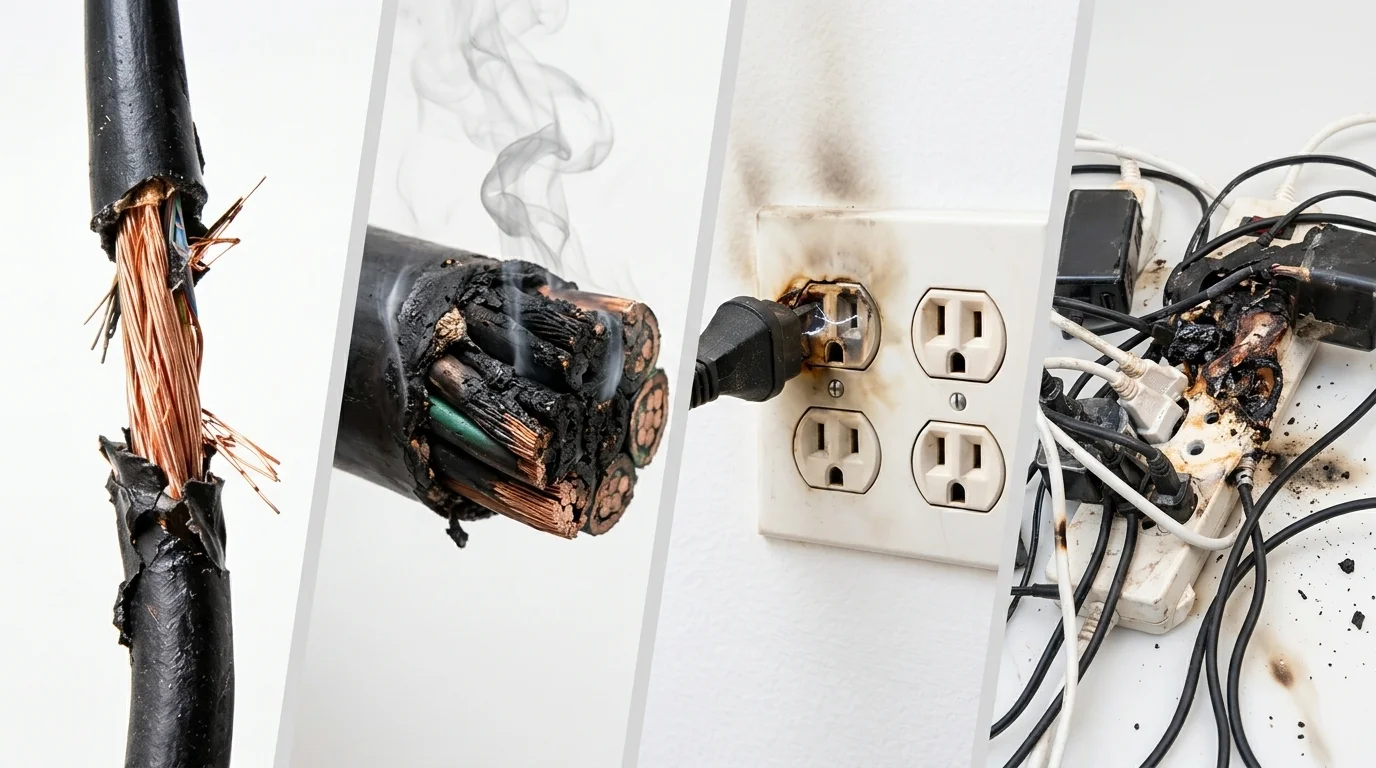
In 2025, Rescue 1122 recorded 28,495 fire incidents across Punjab. Short circuits caused 10,018 of them, and the fires took 99 lives. That is more than 27 short-circuit fires every single day in one province. Many of those fires start somewhere you cannot see: inside a wall, a ceiling, or a floor. Wires there get crushed by plaster, nicked by nails, chewed by rats, or soaked by leaks.
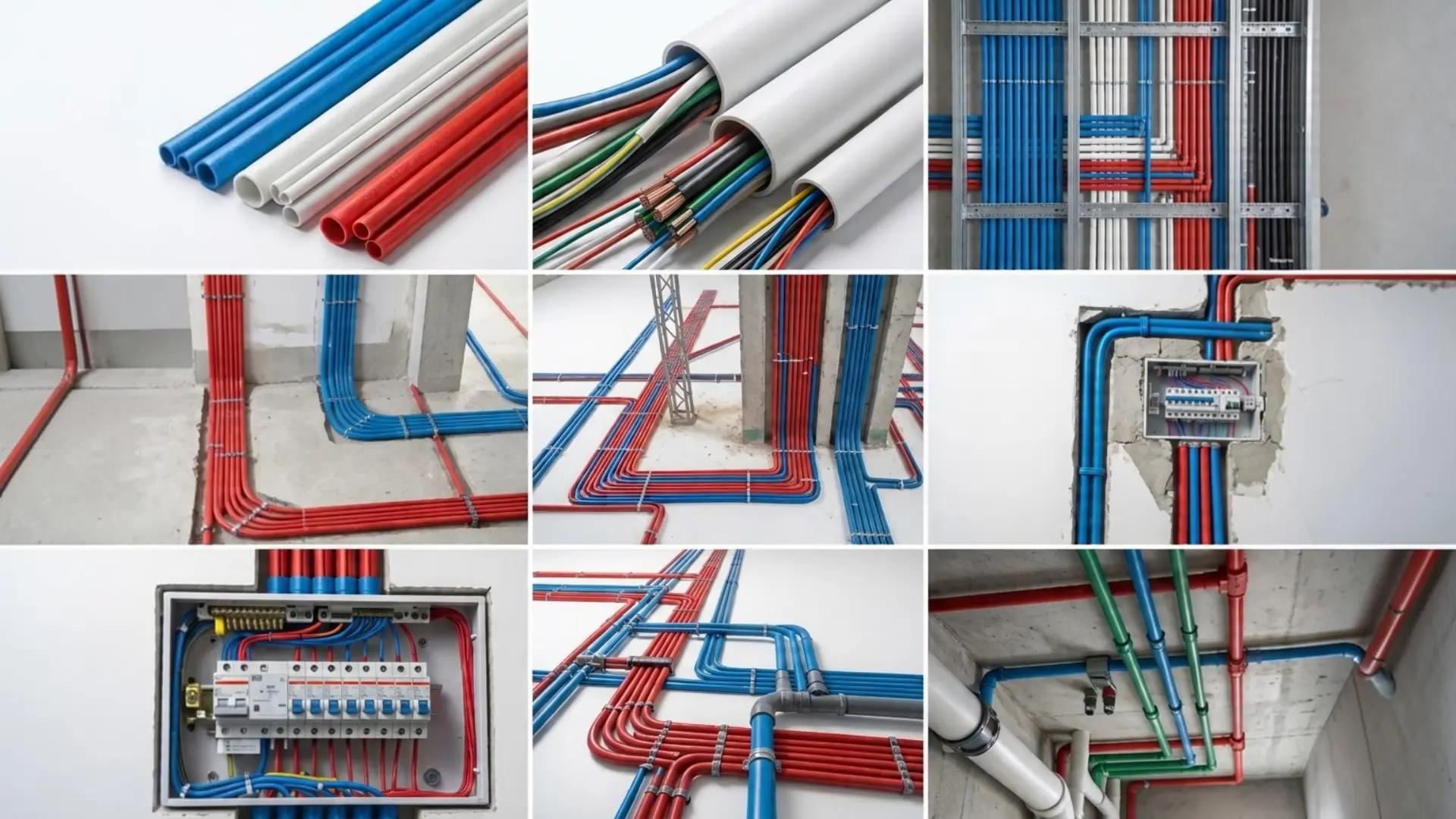
A good conduit pipe is the first line of defense between your wiring and all of that. An Electric conduit pipe is a protective tube that carries and guards electrical wires inside walls, ceilings, and floors. For most Pakistani homes, rigid uPVC conduit in the right size for the number of cables is the usual choice for concealed wiring, with flexible conduit used for short, tricky runs. The best pipe depends on where it goes and how many wires it carries.
Conduit does three jobs in a house:
It protects wires from cement, plaster, moisture, pests, and knocks.
It organises wiring routes, so every circuit follows a planned path.
It makes future changes easier, because wires can be pulled out and replaced without breaking walls.
Why Is Electric Conduit Pipe Used in House Construction?
Before choosing a pipe, it helps to understand what it actually does inside your walls. Conduit is cheap and simple, but it decides how safe your wiring is and how easy it will be to fix for decades.
An electrical conduit pipe is a protective tube that encloses and guides wiring inside walls, ceilings, floors, and underground runs. It shields cables from heat, moisture, rodents, abrasion, and structural movement, which lowers the risk of short circuits and fire.
How Does a Conduit Pipe Protect Electrical Wiring?
Without conduit, wires buried in plaster are exposed to everything around them. The pipe puts a tough wall between the wires and the building. Here is what the pipe protects against:
Pressure and knocks from plaster, nails, and drilling
Moisture from leaks and damp walls
Rodents that chew insulation
Corrosion, since uPVC does not rust like metal conduit
Electrical contact, since uPVC is non-conductive
Why Is Conduit Planning Important Before Plastering and Finishing?
Once plaster goes on, conduit is locked in place. Moving a box or adding a circuit then means breaking walls. That is why conduit is laid after brickwork and before plaster, following a wiring plan. Every switch, socket, light, and appliance point should be decided first.
Difference Between Electrical Conduit and Plumbing Pipe
They can look alike, but they are made for different jobs.
Electrical conduit | Plumbing pipe | |
Carries | Water under pressure | |
Main job | Protect and route cables | Hold water without leaking |
Pressure rating | Not designed for water pressure | Rated for water pressure |
Standard named on GharHub listings | BS 6099 and PS 1905 | Plumbing standards |
Fittings | Bends, sockets, junction and switch boxes | Elbows, tees, valves |
Never use plumbing pipe as electrical conduit or the other way round. The fittings, wall design, and standards are different.
Types of Electric Conduit Pipes Available for House Wiring in Pakistan
Not all conduit is the same. GharHub lists rigid PVC, uPVC, and flexible conduit, in diameters from 20 mm to 50 mm and in light, medium, and heavy gauges. Each type fits certain places better than others, so let us look at where each one belongs.
PVC Electric Conduit Pipes
PVC stands for polyvinyl chloride. The word "PVC" is often used loosely for any plastic conduit. Some PVC products contain added softeners that make them more flexible. They are light, cheap, and easy to cut, which is why plastic conduit is so common in homes.
uPVC Electric Conduit Pipes
uPVC means unplasticised PVC. It has no softeners, so it is rigid and holds its shape.
All four conduit brands listed on GharHub are uPVC:
Brand on GharHub | Standard named on the listing | Size range given |
PS 1905, matching BS 6099 | ½ inch to 8 inches | |
BS 6099 and PS 1905 | Several diameters | |
BS 6099, equivalent to PS 1905 | ½ inch to 2 inches, in 10 ft and 13 ft lengths | |
Not stated on the listing | Not stated |
Flexible Electrical Conduit Pipes
Flexible conduit bends by hand. It is useful for short runs where a rigid pipe cannot reach, such as connecting a light point in a false ceiling or getting around an awkward corner. It is not a good replacement for rigid pipe in long concealed runs, because it is easier to crush and harder to pull wires through over a distance.
Metal Conduit Pipes and Their Residential Applications
Metal conduit, usually steel, gives the strongest physical protection. It is mostly used for exposed wiring in areas with a high risk of damage, such as workshops, plant rooms, or outdoor surface runs. In ordinary concealed house wiring, uPVC is far more common because it does not rust and does not conduct electricity.
Rigid vs Flexible Conduit Pipes: Which Should You Choose?
Situation | Better choice | Why |
Long runs inside walls and slabs | Rigid uPVC | Holds its shape and resists crushing |
Short drops into false ceilings | Flexible | Bends into tight spaces |
Exposed runs on walls | Rigid uPVC or metal | Looks neat and resists knocks |
Last link to a fixture that may move | Flexible | Allows small movement |
Which Is the Best Electric Conduit Pipe for Your House in Pakistan?
There is no single "best" pipe or brand for every home. The right choice depends on where the pipe goes, how much it will be loaded, and how many cables it carries.
For Concealed Electrical Wiring
For wiring buried in walls, ceilings, and floors, choose rigid uPVC conduit. GharHub's buying advice is to pick heavy gauge for long-term concealed wiring and to check crush resistance, because the pipe must survive plaster and concrete.
Related: https://gharhub.com/importance-of-curing-concrete-in-construction
For Renovation and Repair Work
Renovation is different. Walls are already finished, so you may be cutting short chases or running cables on the surface.
Here, a mix often works best:
Use rigid uPVC for new chased runs that will be plastered over.
Use surface conduit or trunking where you do not want to break walls.
Use flexible conduit only for short final connections.
Match the new pipe size to existing boxes and fittings.
Electric Conduit Pipe Sizes and Their Uses
Size is where many homeowners go wrong. A pipe that is too small makes wires hard to pull and can damage their insulation. A pipe that is far too big wastes money and space in the wall. Here is how sizing works.
Electrical Conduit Pipe Sizes:
Conduit is sold by its diameter. In Pakistan, you will see both inches and millimetres. GharHub's category page lists diameters from 20 mm to 50 mm, while brand listings use inches, such as ½ inch to 2 inches for Dura Max. Pipes are also sold by length, usually 10 or 13 feet.
Electric Conduit Pipe Diameter:
The diameter depends on how many cables go inside and how thick they are. Bigger cables, such as those for an air conditioner, need more room than lighting wires. The electrician adds up the space all the cables take and checks it against a fill limit.
How Do Cable Quantity, Cable Size and Bends Affect Conduit Selection?
Three things push you toward a bigger pipe:
More cables: each extra wire takes space.
Thicker cables: heavy appliance circuits use larger cables.
More bends: every bend adds friction when pulling wires. The US National Electrical Code limits PVC conduit runs to a total of 360 degrees of bends between pull points.
How to Confirm the Required Pipe Size Before Buying
Check the electrical drawing for each circuit's cable sizes.
Count how many cables share each pipe run.
Ask your electrician to check the fill against the code they work to.
Confirm the pipe's diameter and gauge on the label or brand literature.
Buy matching bends, sockets, and boxes in the same size.
Features to Check Before Buying Electric Conduit Pipes
Two pipes of the same size can perform very differently. A thin, brittle pipe may crack during installation or get crushed under plaster. These six features separate a good pipe from a risky one.
Pipe Wall Thickness and Mechanical Strength
Conduit comes in light, medium, and heavy gauge. A thicker wall resists crushing better. Heavy gauge is used for long-term concealed wiring and asks buyers to check crush resistance.
Smooth Inner Surface for Easier Wire Pulling
A smooth inside lets wires slide through without scraping. Popular and Dura Flow both highlight a smooth inner surface. Run your finger inside a cut end. It should feel smooth, with no ridges or burrs.
Resistance to Cracking During Installation
A good pipe flexes a little before it breaks. Brittle pipe can crack when cut, bent, or knocked. A crack lets in cement slurry and water, and can trap or damage wires.
Suitability for Concealed or Exposed Installation
Pipes going into walls and slabs need more strength than pipes on a surface. Pipes exposed to sunlight should be suitable for outdoor use. Check the brand literature for where the pipe is meant to be used.
Compatibility With Conduit Bends, Sockets and Junction Boxes
Pipes and fittings should fit snugly. A loose joint lets in cement and moisture. Buying fittings from the same brand and size range is the easiest way to get a tight fit.
How to Calculate Electric Conduit Pipe Requirements for Your House
Buying the right amount saves both money and site delays. Here is a simple five-step method. Your electrician should still confirm the final numbers.
Step 1: Start with your electrical drawing. Trace each conduit route from the distribution board to every switch, socket, light, and appliance point.
Step 2: Measure each route along the wall, ceiling, or floor. Remember to include vertical drops from the ceiling to switch height.
Step 3: Identify Lighting, Socket, and Dedicated Appliance Circuits.
Circuit type | Typical points | Sizing note |
Lighting | Lights, fans | Thinner cables, often smaller pipe |
Sockets | Wall sockets | Medium cables |
Dedicated appliance | Air conditioner, water heater, pump | Thicker cables, often larger pipe |
Step 4: Count every bend, socket, and junction box along each run. Each change of direction needs a bend or a box. Each point needs a switch box or a junction box.
Step 5: Add a small allowance for cutting and breakage, and agree on the percentage with your electrician. To convert length into pipe count, divide the total length by the pipe length, such as 10 feet, and round up.
Electric Conduit Pipe Price in Pakistan: What Affects the Cost?
Conduit prices are not one fixed national rate. GharHub explains that prices shown online are approximations, and two buyers can be quoted different prices on the same day. Right now, GharHub lists its four conduit brands with discount offers rather than fixed rates:
Product on GharHub | Current listed offer |
Popular uPVC Conduit Pipes | 38% to 40% off |
Turk Plast Conduit Pipes and Fittings | 50% to 55% off |
Dura Max Wire Guard Conduit Pipes | 47% to 51% off |
Dura Flow Electric Conduit Pipes | 46% to 50% off |
Flexible, rigid PVC and uPVC pipes are made differently and priced differently. Metal conduit sits in a different price range again. A wider pipe uses more material. A heavy gauge pipe has a thicker wall than a light gauge one of the same diameter. A 13-foot pipe costs more than a 10-foot one. Always compare the price per pipe with its diameter, gauge, and length stated.
Why Fittings and Accessories Must Be Included in Your Budget
Pipe is only part of the bill. Bends, elbows, couplers, junction boxes, switch boxes, and fan boxes add up quickly. Ask for fittings to be quoted with the pipes.
How Delivery Charges and Order Quantity Affect the Final Cost
GharHub lists delivery charges based on location. Bulk orders may change the rate, and PVC resin price movements can shift prices over time.
Common Electric Conduit Pipe Installation Mistakes to Avoid
Most conduit mistakes cost little to prevent but a lot to fix. Once walls are plastered and painted, every error means breaking, rewiring, and repainting. Catch these seven before the plaster goes on.
Choosing Pipe Size Without Considering Cable Fill
Using Sharp Bends That Make Wire Pulling Difficult
Leaving Conduit Pipes Open During Construction
Poorly Aligned Pipes and Loose Connections
Placing Junction Boxes Where They Cannot Be Accessed
Installing Conduit Without Coordinating With Other Building Services
Covering Conduits Before Inspection and Testing
Electric Conduit Pipes and Essential Electrical Accessories
A conduit system is more than straight pipes. Fittings and boxes join the runs, change direction, and give access to the wires. Turk Plast's GharHub listing, for example, names bends, sockets, light boxes, and fan boxes as part of its conduit system.
Conduit Bends and Elbows
Bends and elbows change the direction of a run. Ready-made bends keep the inside diameter smooth, so wires pull easily around corners.
Conduit Sockets and Connectors
Sockets, also called couplers, join two lengths of pipe into one continuous run. A tight socket keeps out cement and water.
Junction Boxes and Switch Boxes
Junction boxes give access where wires branch or join. Switch boxes and fan boxes hold the switches, sockets, and fittings you see on the wall and ceiling.
People Also Search For: https://gharhub.com/electrical-sockets-in-pakistan
Cable and Wire Compatibility
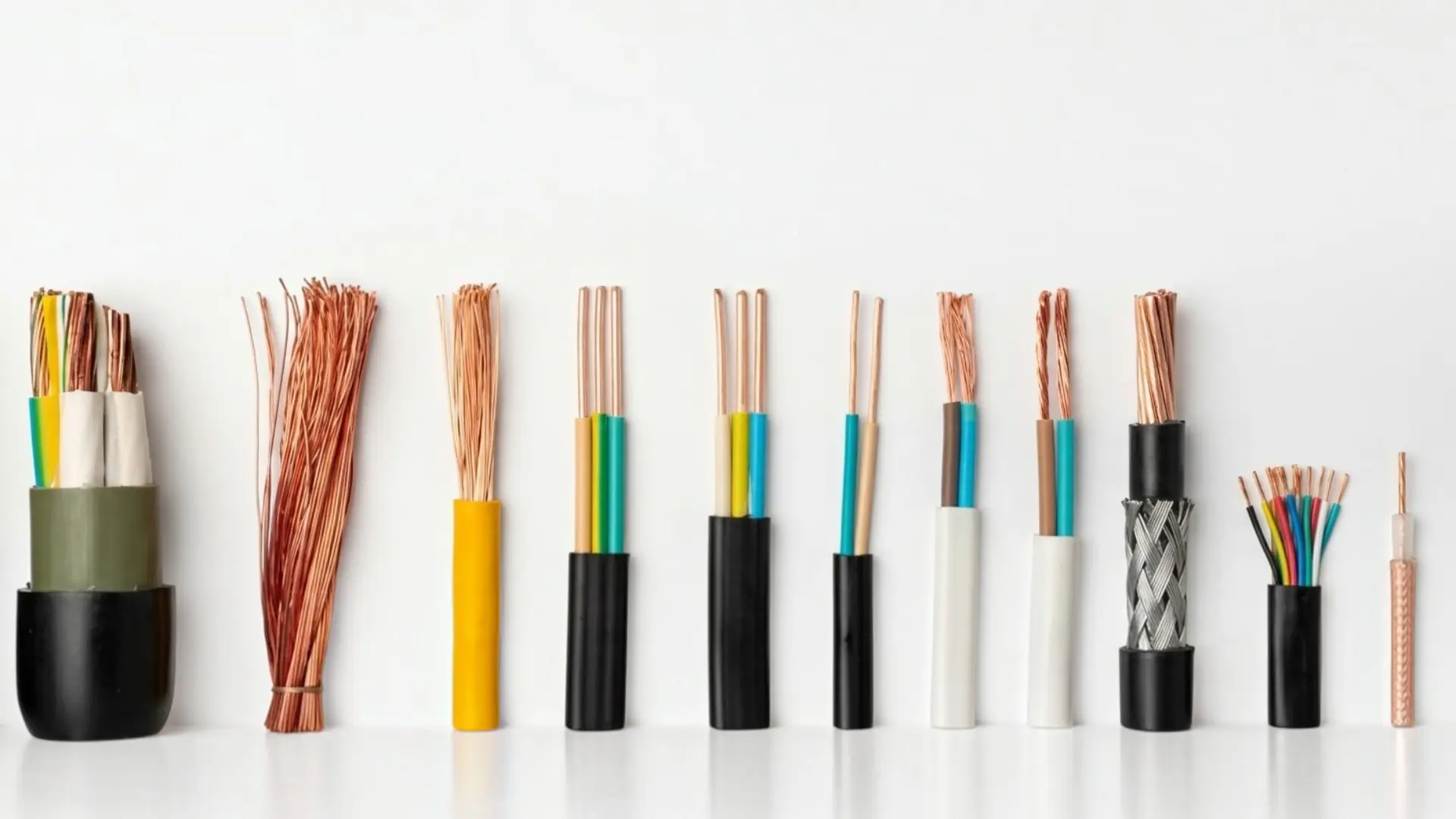
The conduit must suit the cables inside it. Thicker cables need bigger pipes. Ask your electrician which wire sizes go in each run, then size the pipe for them.
Conclusion
Choosing an electric conduit pipe comes down to a few clear checks. Match the type to the installation, with rigid uPVC for concealed runs and flexible conduit for short, awkward links. Size the pipe for the number and thickness of cables, leaving enough free space inside.
Look for strong walls, a smooth inside, a named standard such as BS 6099 or PS 1905, and fittings that match. Then budget for the whole system, including bends, boxes and delivery, not just the pipe. There is no single best pipe for every house. The right choice depends on your wiring plan, so have a qualified electrician confirm the final selection and bill of quantities before you buy.
Frequently Asked Questions
What is the best electric conduit pipe for a house in Pakistan?
For concealed house wiring, rigid uPVC conduit in heavy gauge is the usual choice because it resists crushing, rust, and moisture.
Which is better for house wiring: PVC or uPVC conduit pipe?
uPVC is rigid because it has no softeners, so it holds its shape in walls and slabs. Softer PVC types are more flexible. For long concealed runs, rigid uPVC is generally the better fit.
What size electric conduit pipe is suitable for home wiring?
It depends on the number and size of cables. GharHub lists conduit from 20 mm to 50 mm. Ask your electrician to size each run.
Can flexible conduit pipes be used for house wiring?
Yes, for short runs such as drops into false ceilings or final connections to fixtures. For long concealed runs, rigid pipe is better because it resists crushing and makes wire pulling easier.
How much do electric conduit pipes cost in Pakistan?
Prices vary by brand, diameter, gauge, length, and quantity. GharHub currently lists discount offers of 38 to 55 percent across Popular, Turk Plast, Dura Max, and Dura Flow conduit. Share your demand note on WhatsApp for an exact quote.
Which factors affect electric conduit pipe prices?
Material: flexible, rigid PVC, or uPVC
Diameter, wall thickness, and length
Brand and certification
Fittings and accessories
Delivery distance and order quantity
PVC resin price changes
Can electric conduit pipes crack during construction?
Yes. Thin or brittle pipe can crack when cut, bent, or knocked, or get crushed under plaster or concrete. Choose a suitable gauge, handle pipes carefully, and check runs before plastering.
Should conduit pipes be installed before plastering?
Yes. Concealed conduit is laid after brickwork and before plaster, following the wiring plan. Test every run before plastering, because fixing mistakes afterwards means breaking walls.