 Contact Us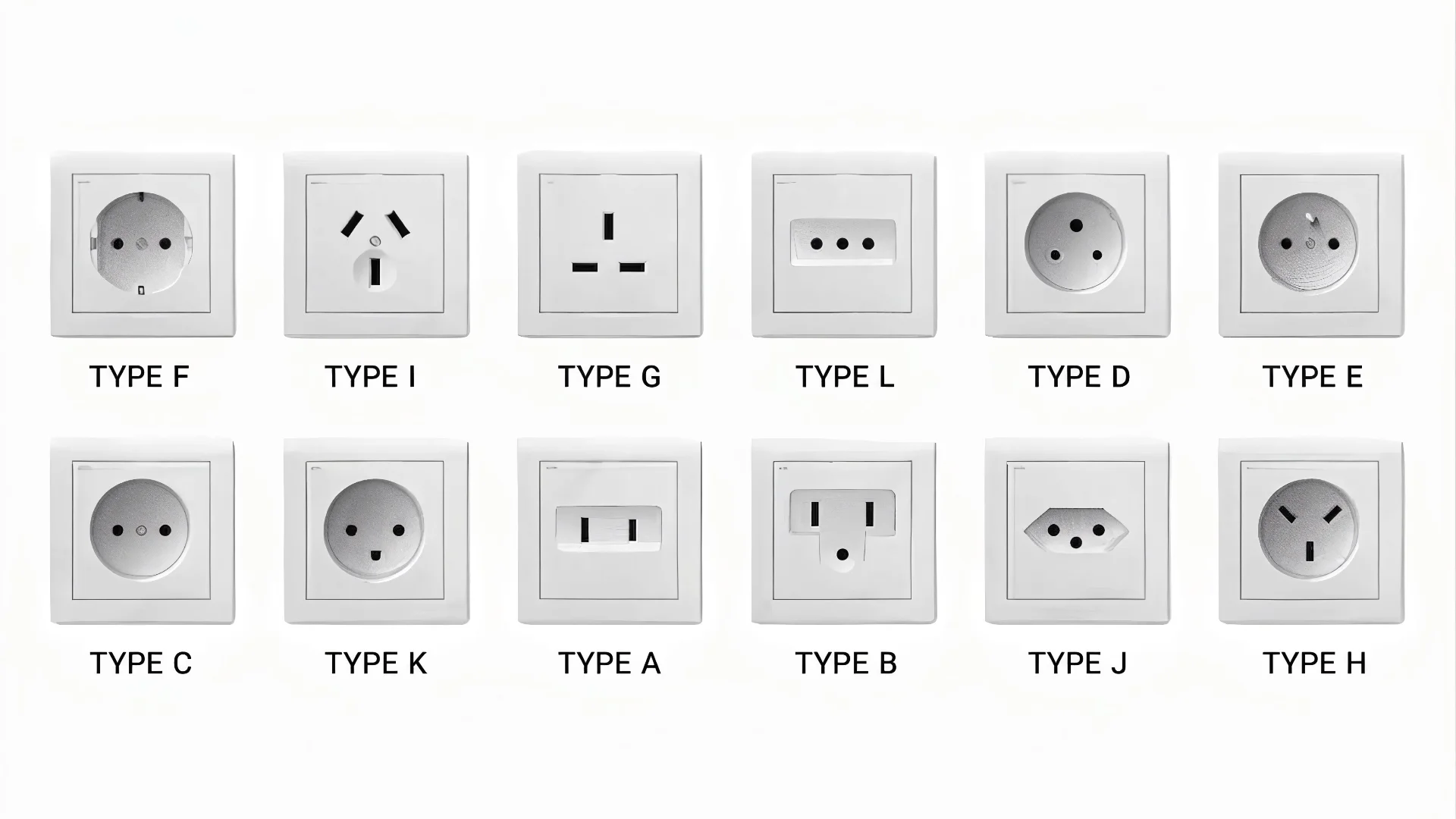
Have you ever had the experience of bringing a new machine home, only to realize that the plug from that machine does not fit the socket? Have you ever touched a socket to find that it is unexpectedly hot?
Such experiences might appear small, yet they are worth considering. An appropriate electrical socket in Pakistan should consider the plug, electrical load, voltage, and installation location. A poorly selected socket may lead to bad connections, overheating, and many other issues.
Thus, when constructing a house, remodeling a room, arranging an office space, or just replacing an outdated socket, it is helpful to be informed about what you are getting.
Related: https://gharhub.com/electrical-wires-for-house-wiring
What Is an Electrical Socket?
An electrical socket is the fixed point where you connect an appliance to the building's electrical supply. You may also hear it called an electrical outlet or receptacle.
The socket is connected to the wiring inside the building. When you insert a suitable plug, the electrical connection is completed, and power can reach the appliance.
Not all sockets are the same. They can differ in several ways, including:
Pin arrangement
Current rating
Earthing arrangement
Number of outlets
Switch options
Safety features
USB charging ports
Indoor or outdoor use
The important thing is to choose a socket that suits both the electrical system and the appliance you plan to use.
Difference Between a Socket, Plug, and Switch
Socket, plug, and switch are some of the words that people always combine to talk about. The socket with a switch is an electrical socket that performs both actions. You will plug your device into the socket and control the electricity using the socket’s switch.
Component | What it does |
Socket | Provides the fixed connection point for an appliance |
Plug | Connects the appliance cable to the socket |
Switch | Turns the electrical supply to a circuit or appliance on or off |
Common Types of Electrical Sockets in Pakistan
Electrical sockets come in different shapes and designs. The main differences are usually related to the plug they accept, their current rating, and the features they offer.
Type C Electrical Socket
A Type C socket is designed for plugs with two round pins. It is associated with the Europlug system and is commonly used with smaller electrical devices.
You may find this type of plug on products such as:
Phone chargers
Small electronic devices
Lamps
Some low-power appliances
Type C plugs do not have a separate earth pin. Because of this, they should only be used with appliances designed for this type of connection.
Type D Electrical Socket
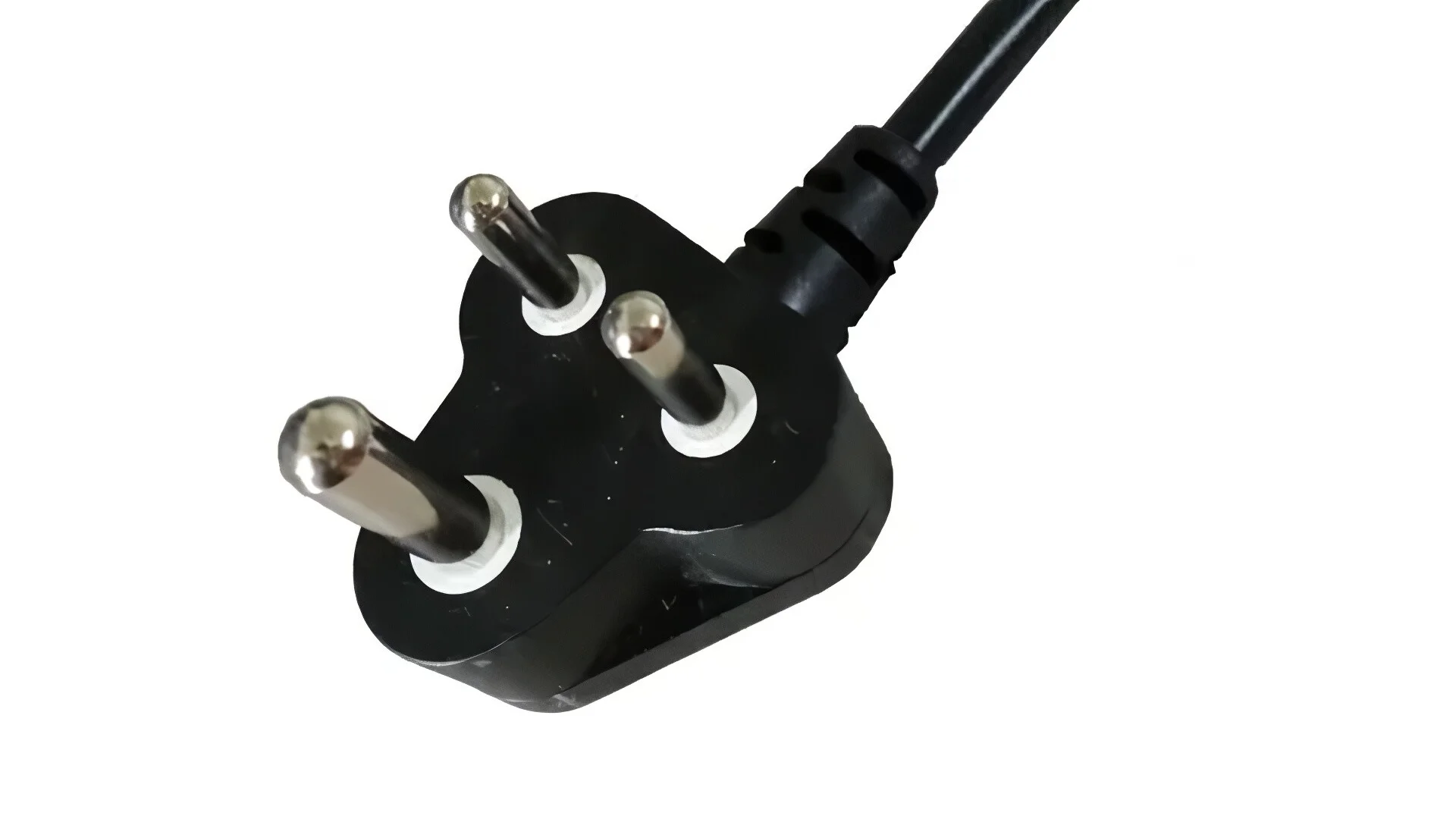
A Type D socket has three round pins arranged in a triangular pattern. The larger top pin is used for the earth connection.
Type D is commonly associated with Pakistan and other countries that use the BS 546 family of plugs and sockets.
Type G Electrical Socket
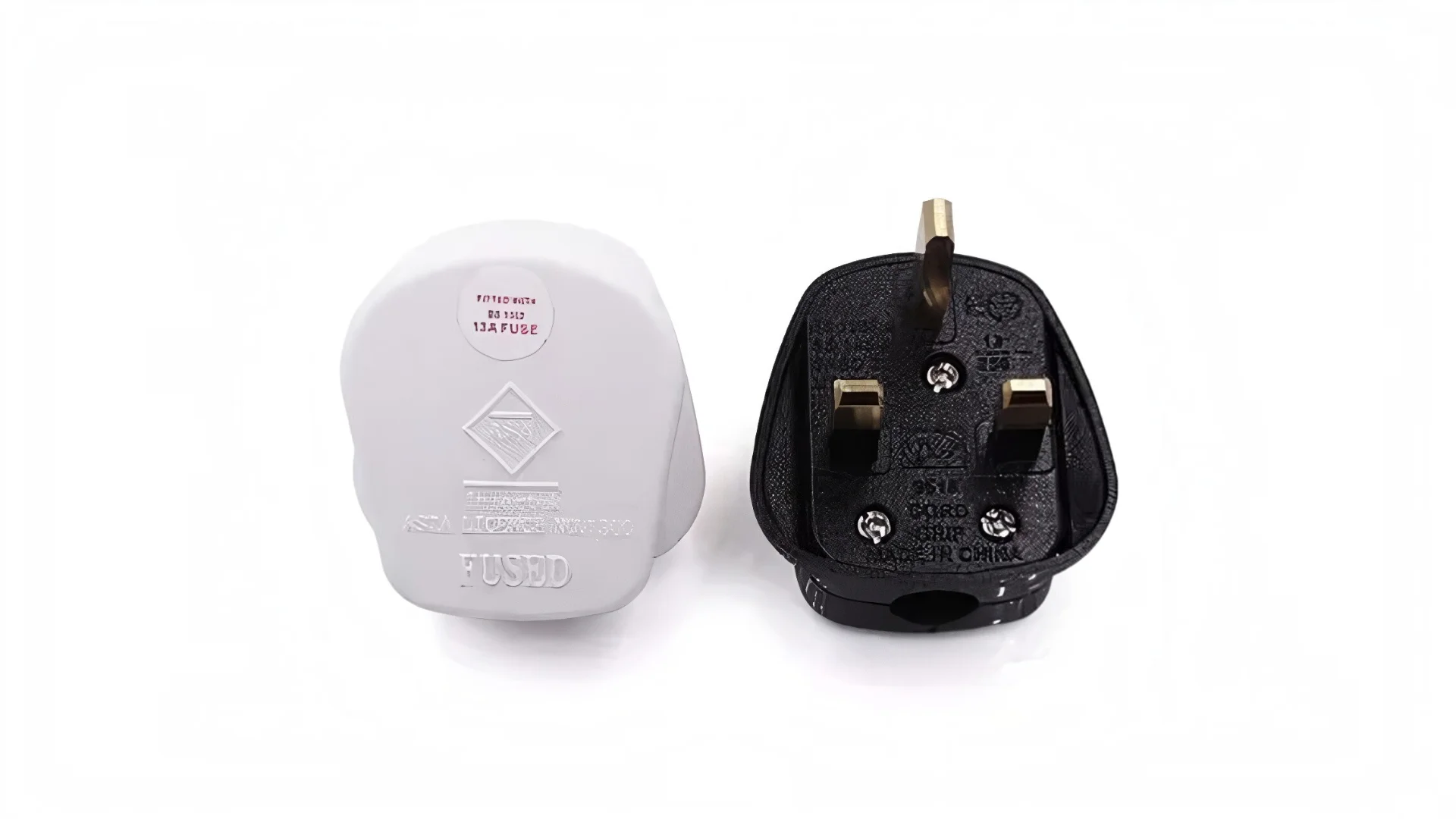
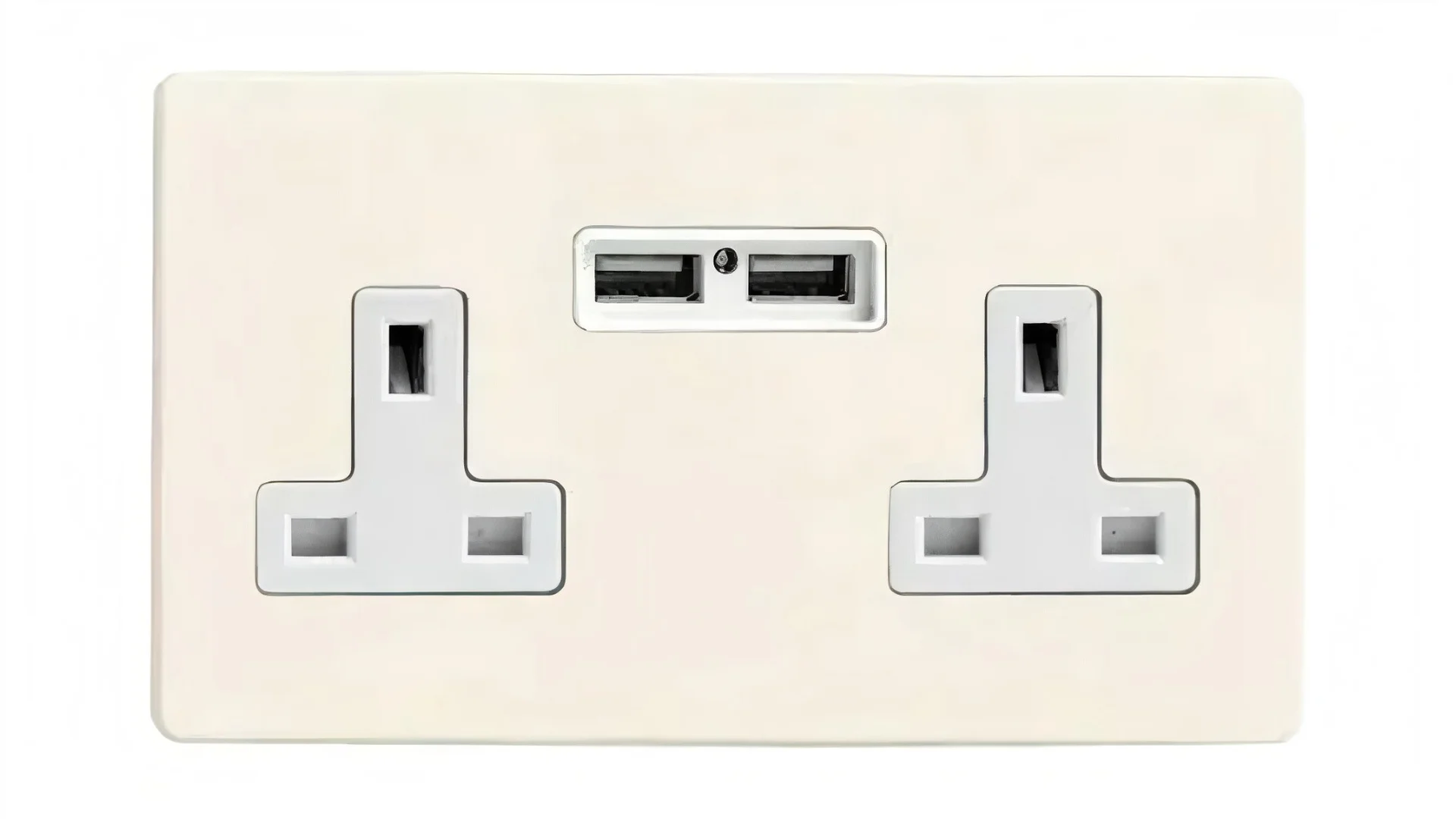
A Type G plug has three rectangular pins and is most commonly associated with the United Kingdom.
It is not generally considered the standard plug type for Pakistan. However, you may come across Type G plugs when using imported appliances, office equipment, or other products purchased from abroad.
Universal Electrical Sockets
A universal electrical socket is made to accept more than one type of plug.
This can be handy in homes and offices where people use appliances from different countries. Instead of keeping several different adapters, one universal socket may accept multiple plug designs.
Some advantages include:
Support for different plug types
Easier use of imported appliances
Less need for separate plug adapters
Convenient use in offices and modern homes
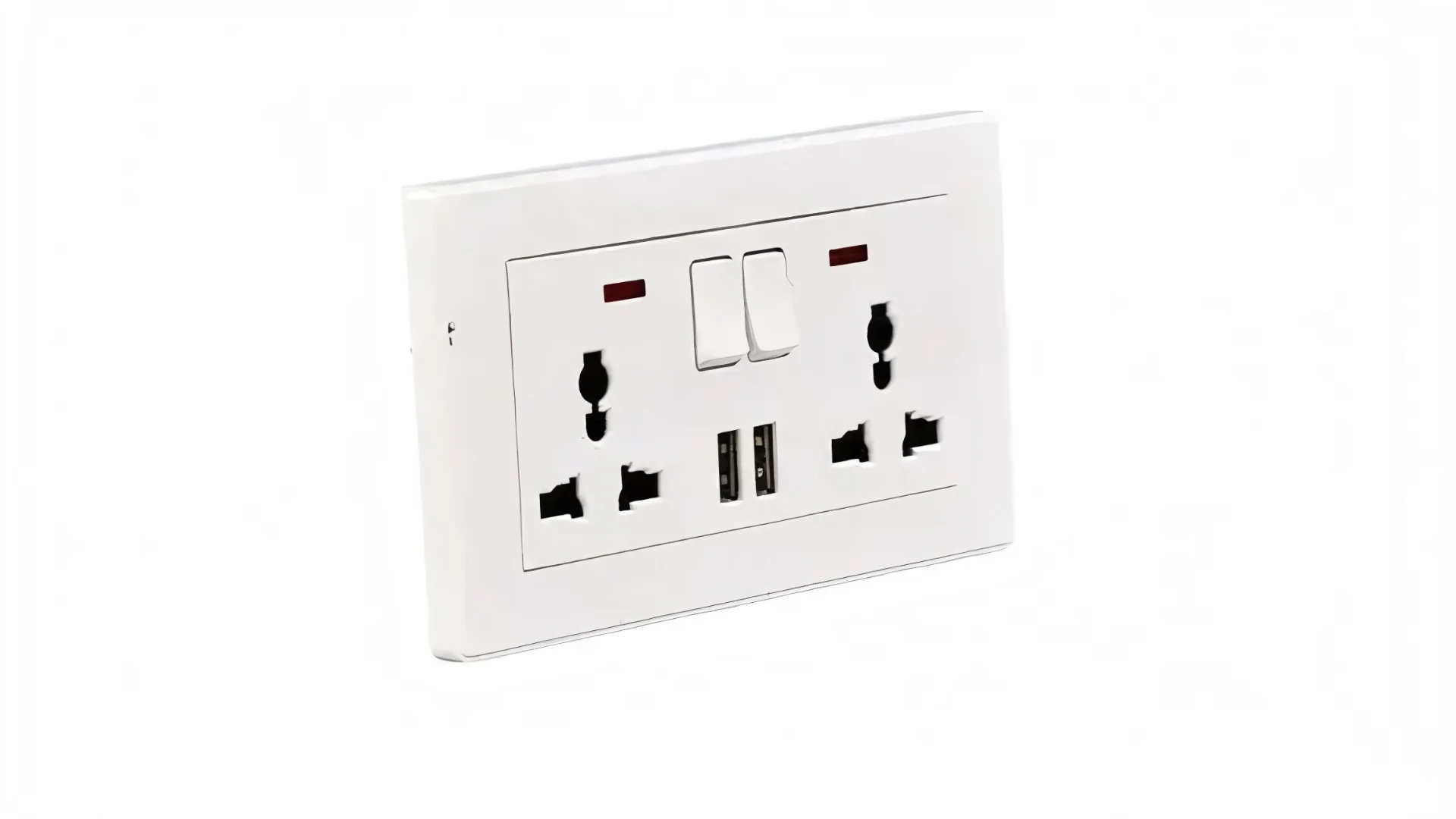
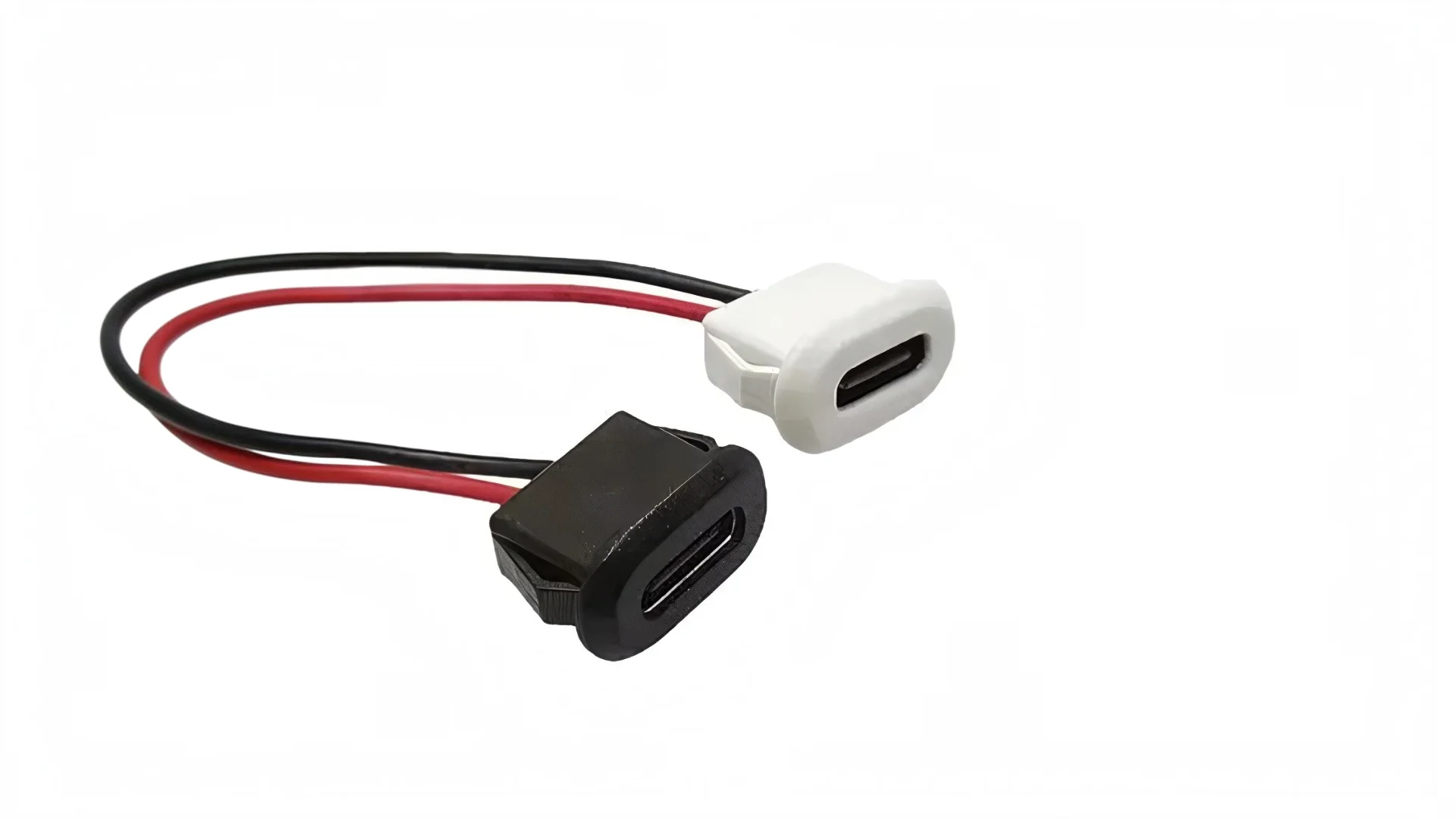
USB Electrical Sockets
USB electrical sockets combine a normal power outlet with USB charging ports.
Depending on the model, you may find:
USB-A ports
USB-C ports
Several USB ports
USB-C Power Delivery
These sockets can be useful near beds, desks, workstations, and other places where phones, tablets, and similar devices are charged regularly.
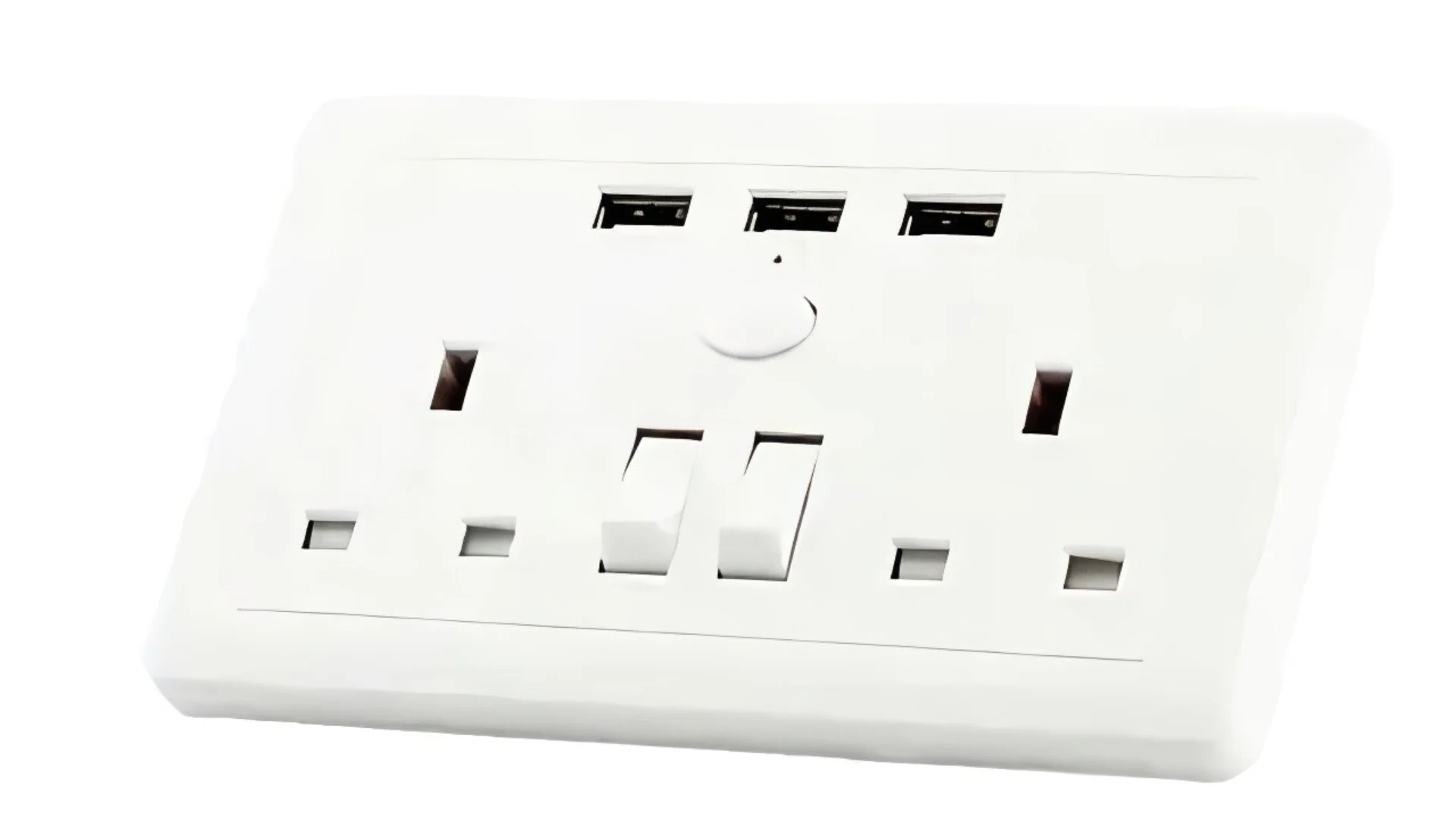
Switched and Unswitched Sockets
A switched socket has a switch built into it. You can turn the socket off without pulling the appliance's plug out.
An unswitched socket does not have a built-in switch. A switched socket can be useful when you want quick control over an appliance.
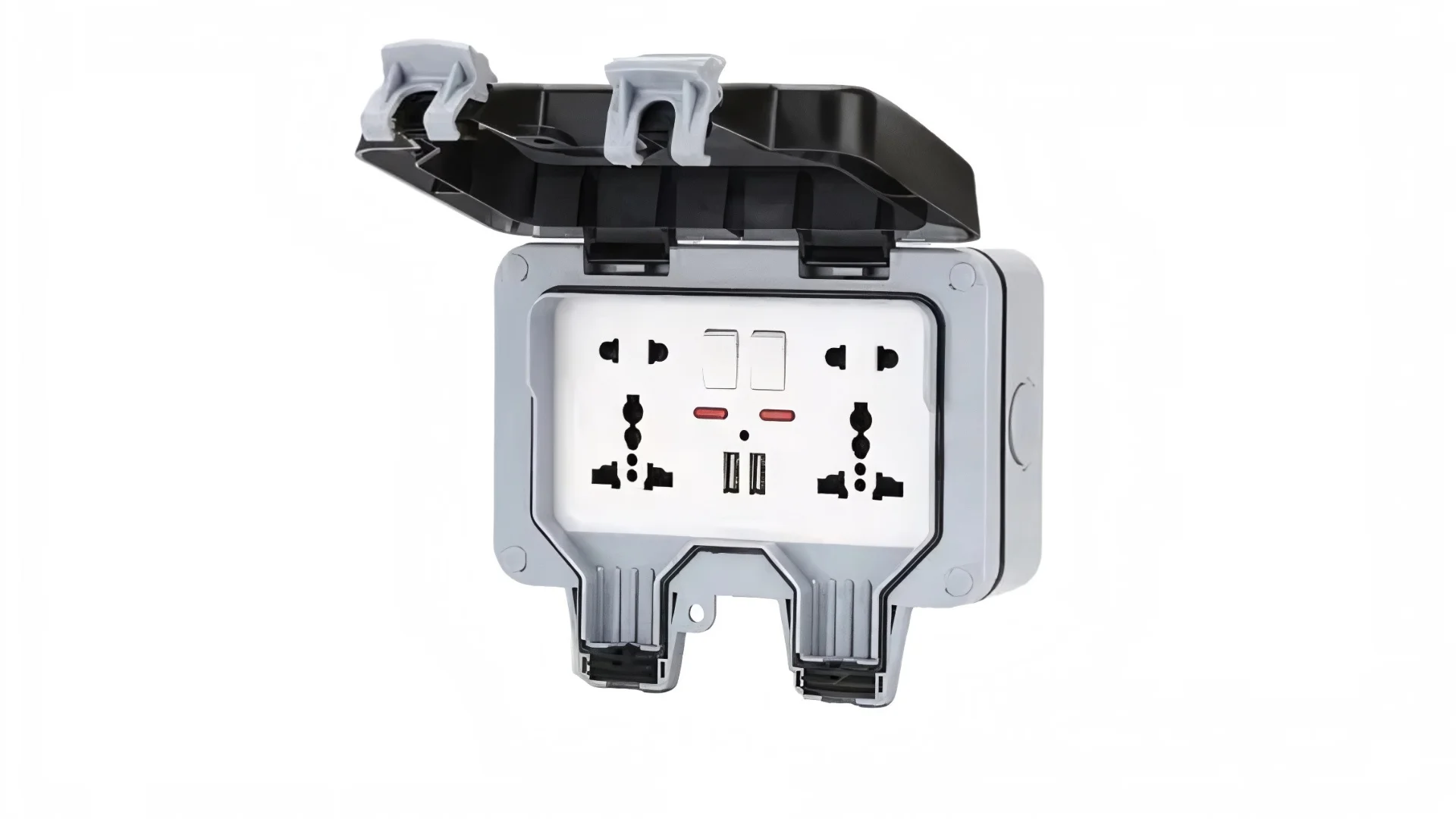
Weatherproof and Outdoor Sockets
Outdoor sockets have to deal with conditions that indoor sockets normally do not face. Moisture, dust, rain, and temperature changes can all affect electrical equipment. A weatherproof socket may have a protective cover and construction designed for outdoor environments.
These sockets may be used in places such as:
Gardens
Garages
Exterior walls
Outdoor work areas
Covered patios
The socket should be suitable for its environment and installed correctly. Electrical specifications used in Pakistan also make a distinction between standard and weatherproof socket and switch installations for open environments.
Common Problems With Electrical Sockets
A socket may be a small part of a building, but problems with it should never be brushed aside.
Pay attention if a socket becomes hot, produces unusual sparks, smells like burning plastic, holds a plug loosely, makes buzzing sounds, or causes the circuit breaker to trip repeatedly.
These signs can point to a problem with the socket, appliance, wiring, or electrical circuit.
Socket Gets Hot
Socket Produces Sparks
Plug Feels Loose
Socket Stops Working
Burning Smell From Socket
Circuit Breaker Keeps Tripping
What Is the Standard Voltage in Pakistan?
Pakistan's standard electrical supply is generally 230 volts at 50 hertz. The National Energy Efficiency and Conservation Authority also uses 230V and 50Hz as supply conditions in its appliance energy regulations.
Voltage and Frequency in Pakistan
Two figures are especially important when checking whether an appliance is suitable for use in Pakistan.
Voltage: 230V
Voltage refers to the electrical potential supplied to an appliance.
Frequency: 50Hz
Frequency tells us how often alternating current cycles each second.
For example, an appliance designed only for 120V should not simply be connected to a 230V supply. Depending on the appliance, you may need a suitable voltage converter or transformer.
This is particularly important when buying appliances from countries that use a different electrical standard.
Plug Compatibility in Pakistan
A plug might fit into a socket and still not be suitable for the appliance. Always check the appliance label before connecting an unfamiliar product. Type C and Type D are commonly used in Pakistan.
Plug type | Basic design | Compatibility in Pakistan |
Type C | Two round pins | Commonly compatible |
Type D | Three round pins | Commonly used |
Type G | Three rectangular pins | An adapter may be needed |
Type A/B | Flat pins | Usually require an adapter and voltage check |
The socket you find in a particular building can vary depending on the installation and the appliances being used. However, an appliance designed for a different voltage may require a converter or transformer.
Electrical Socket Buying Checklist
Buying an electrical socket should involve more than looking at the design or the price.
Before purchasing one, check the following points.
1. Check the Voltage and Frequency
2. Check the Socket Type
3. Check the Current Rating
4. Confirm Plug Compatibility
5. Consider Earthing Requirements
6. Choose Suitable Materials and Build Quality
7. Select the Right Socket for the Location
8. Look for Safety Certifications Where Applicable
9. Buy From a Reliable Electrical Supplier
Conclusion
When constructing or remodeling a building, electrical sockets might seem insignificant. However, their function is more than simple. They serve as the connecting point for your devices with your building's electricity network.
In Pakistan, the standard electrical voltage is 230V with 50Hz, and Type C and Type D sockets are most commonly used in the nation.
Take some time to verify the type, current, voltage, earthing, compatibility with the plug, position, and safety requirements of the socket before purchasing one. Do not attempt to fit a plug that doesn't fit into the socket. In case of heating, sparks, burning odors, loose plugs, or frequently tripped circuit breakers, call an electrician.
Frequently Asked Questions
What type of electrical socket is used in Pakistan?
Pakistan commonly uses Type C and Type D plug and socket systems. Type C has two round pins, while Type D has three round pins arranged in a triangular pattern.
What is the standard socket voltage in Pakistan?
Pakistan's nominal electrical supply is 230V at 50Hz.
Is Pakistan 220V or 230V?
The nominal standard is 230V. Older information may refer to Pakistan as using 220V, but current references identify the standard supply as 230V at 50Hz.
Do I need a plug adapter in Pakistan?
If the plug does not match the socket, you will need a suitable adapter.
Do I need a voltage converter in Pakistan?
Not always. If your appliance is rated for 230V, or its label says something like 100-240V, you normally do not need a voltage converter. If the appliance is designed for a different voltage, check its specifications before connecting it to the supply.
What is the difference between a plug and a socket?
A plug is attached to an appliance or its cable and has pins that connect to the electrical supply. A socket is the fixed connection point installed in a wall or another suitable location.
Are universal sockets safe to use?
A universal socket can be safe when it is properly designed, correctly rated, correctly installed, and used with compatible appliances.
Why does my electrical socket get hot?
An unusually hot socket can be caused by overloading, loose connections, damaged contacts, or another electrical fault.
Why does an electrical socket spark?
Sparks can be caused by worn or damaged contacts, loose connections, damaged plugs, or electrical arcing.