 Contact Us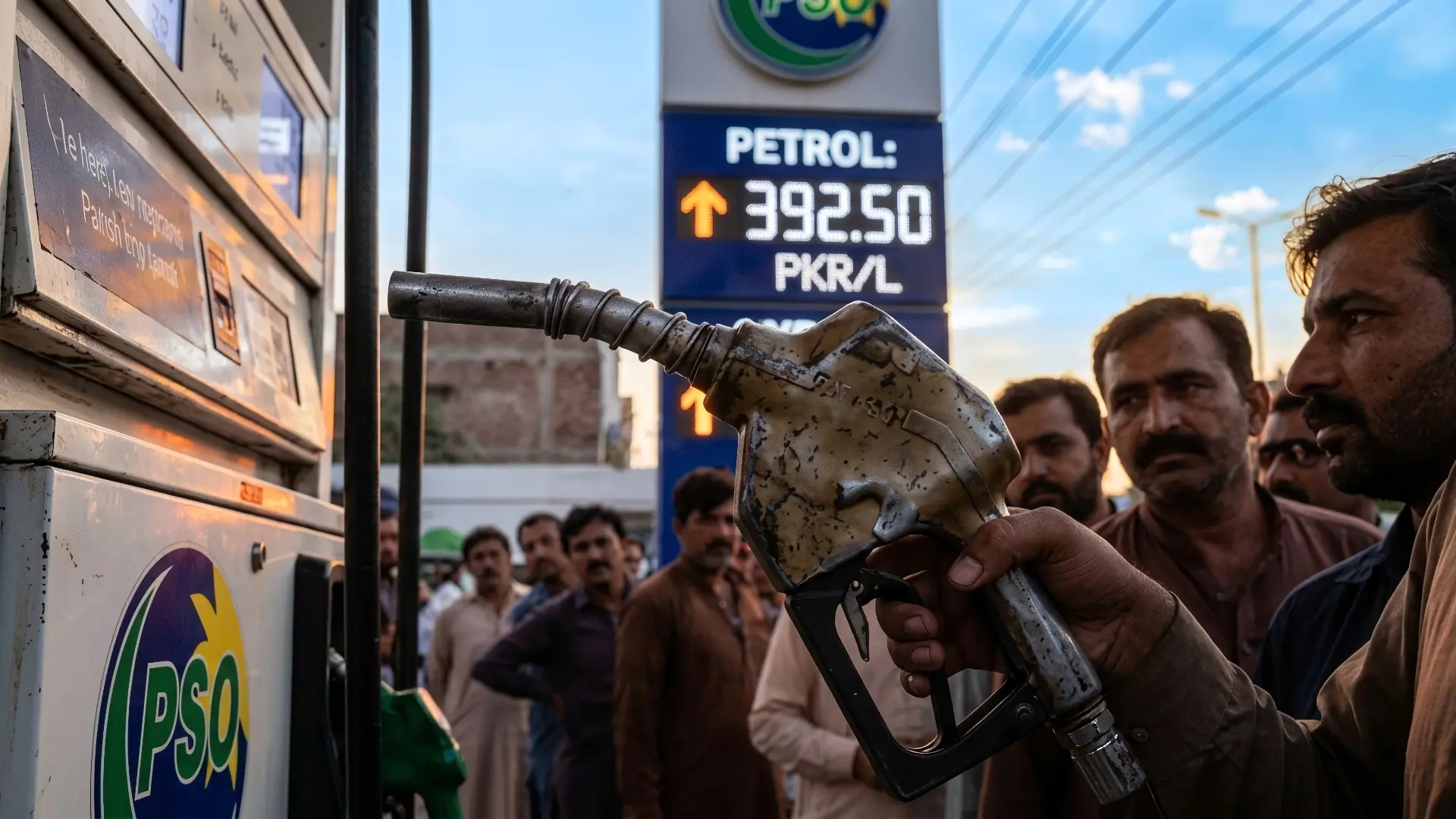
On September 1, 2026, a litre of diesel cost about Rs370. Just over two weeks later, it had crossed Rs415. That was a jump of Rs45.42 per litre, or around 12.3%. Now picture the trucks bringing bricks, sand and cement to your plot. Every one of them runs on that diesel.
Transporters did not wait long. Goods transporters raised freight charges by up to 40 percent after five back-to-back fuel hikes, while local and intercity transporters raised fares by up to 27 percent.
Related: https://gharhub.com/house-construction-materials-list
Petrol and diesel prices in Pakistan affect construction costs in two ways. They raise the cost of delivering materials to your site, and they raise the cost of making those materials in factories and kilns. When fuel goes up, you usually pay more for cement, steel, bricks, sand, and every truck trip.
This guide is for homeowners, contractors, and builders across Pakistan. You will learn how fuel prices are set, why they keep changing, which materials are hit hardest, how a delivery bill is calculated, and simple ways to keep your costs under control.
How Are Petrol and Diesel Prices Set in Pakistan?
Fuel prices in Pakistan are now set daily. The Oil and Gas Regulatory Authority (OGRA) calculates them using a seven-day average of international prices. Government taxes and the petroleum levy are then added on top. The final rate you pay at the pump includes all of these.
Here is how the system works today:
Daily pricing: OGRA publishes updated fuel prices on its website every day, and prices notified on Fridays stay the same on Saturdays and Sundays
Seven-day average: New prices are based on a rolling seven-day average of international petroleum prices.
A fast-changing system: Prices were revised fortnightly before 2026. A weekly review started after the Middle East conflict broke out in February, and the daily system followed.
Petroleum levy: The federal government charges a levy of about Rs114 per litre on petrol and Rs100 per litre on diesel. The levy cannot go above the limit approved by the federal cabinet.
Why diesel matters more than petrol for builders
Most people watch the petrol price. But builders should watch diesel. Diesel powers most of Pakistan's freight and public transport network. Trucks, dumpers, tractor trolleys, excavators and generators all run on high-speed diesel (HSD).
Fuel | Price per litre (September 23, 2026) |
Petrol | Rs392.05 |
High Speed Diesel | Rs418.96 |
Factors that Cause Petrol and Diesel Prices to Rise
Fuel prices rise when global oil prices go up, when the rupee gets weaker against the dollar, or when the government raises taxes and levies. Pakistan imports most of its fuel, so world events hit local prices quickly.
Some of the factors are:
Global oil prices:
Pakistan buys most of its fuel from abroad. It imports oil mainly from Saudi Arabia and the UAE through the Strait of Hormuz. When that route is disrupted, prices jump.
The Rupee Value:
When global oil prices rise, or the rupee weakens against the dollar, fuel costs more to import, and that increase is passed on to consumers.
Taxes and Levies:
The petroleum levy and other taxes make up a big part of what you pay. Any change in them moves the pump price.
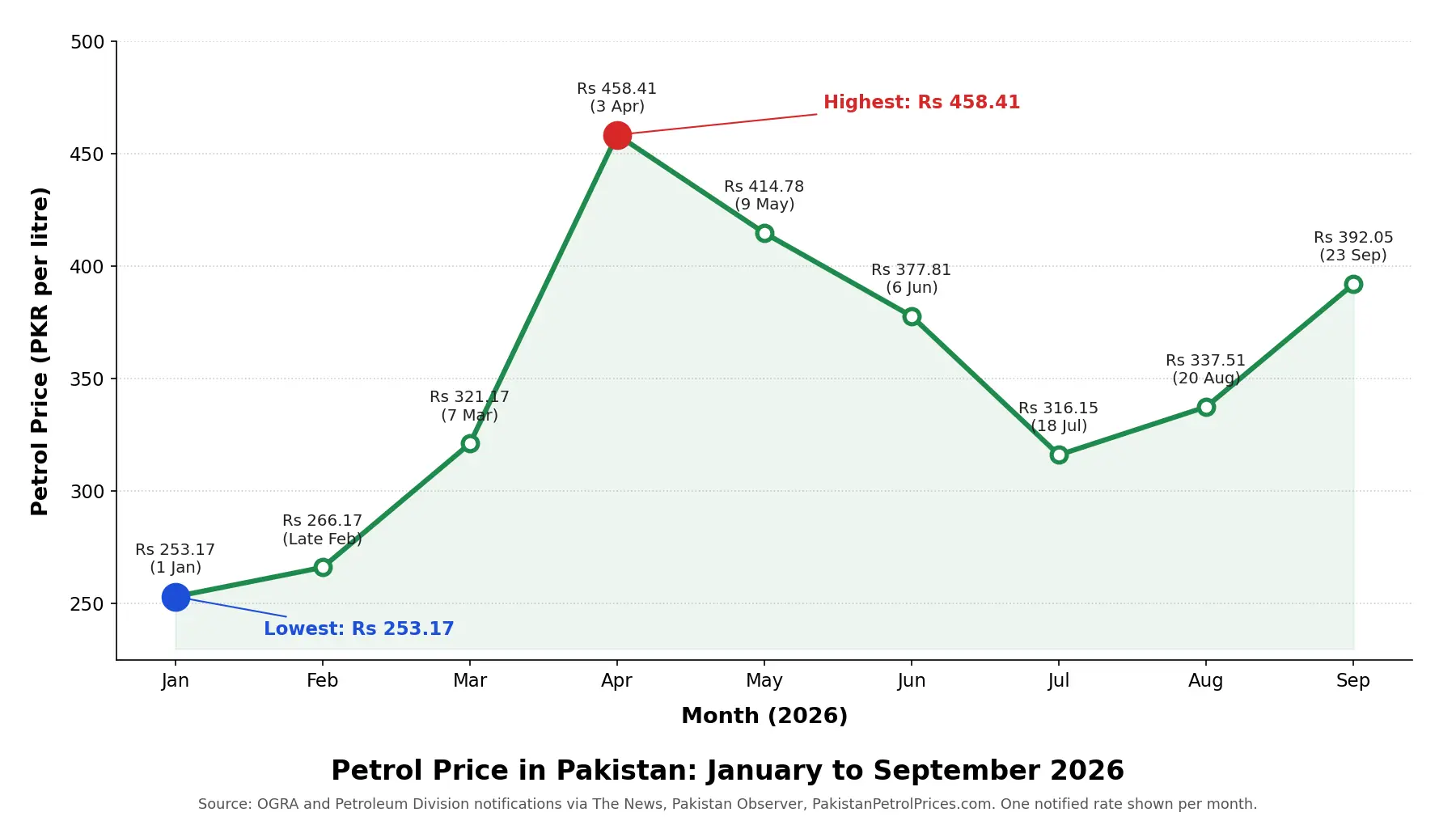
Effects of Fuel Price on Construction Material Costs
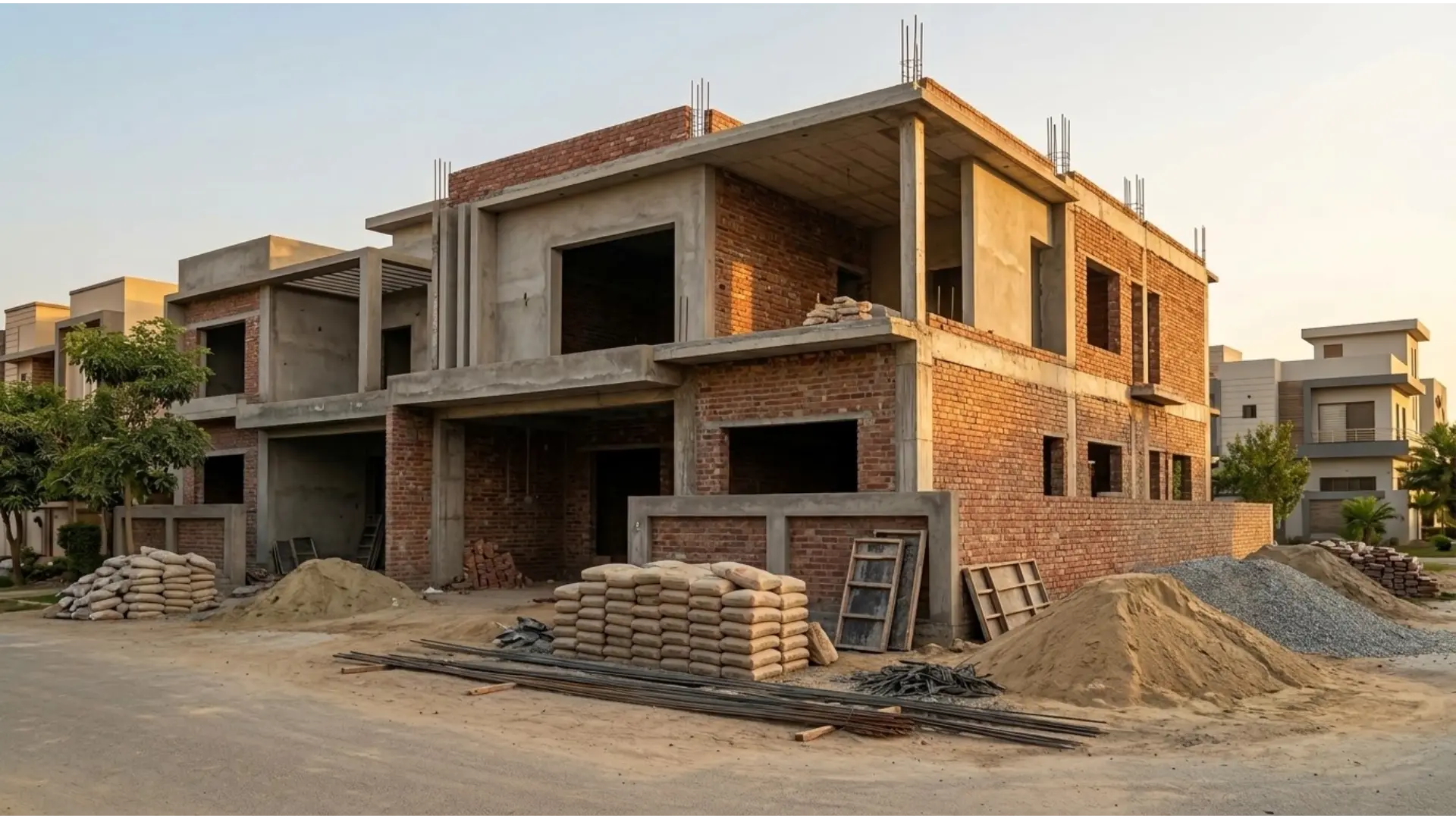
Fuel is used at almost every step of construction. It moves materials from factories to your site. It powers the kilns, plants, and mills that make them. It also runs the machines on your site. So when fuel costs more, all three steps cost more.
Cost of Transporting Materials to Your Site
This is the most direct hit. Bricks, sand, crush, and cement are heavy. They need big trucks and many trips.
When diesel goes up, transporters raise their rates. And they often raise them more than once. In early September, transporters announced a 5% freight increase. Days later, they announced another 7% increase, saying diesel had risen by Rs26.88 per liter in just seven days.
These hikes stack up. Two rounds in one month means your delivery bill grows fast.
Cost of Manufacturing (Brick Kilns, Cement Plants, Steel Mills)
Factories use huge amounts of energy.
Cement plants burn fuel to heat their kilns. They also move coal and raw materials by road.
Steel mills use heavy power and furnaces. Many also rely on imported scrap, which gets costlier when the rupee is weak.
Brick kilns fire their bricks with fuel too. Most Pakistani brick kilns burn coal or wood, and owners pass higher fuel costs to buyers, often within days.
When these costs go up, the price of each bag, kilogram, or thousand bricks goes up with them.
Machinery and On-Site Equipment (Generators, Excavators, Mixers)
Your site also burns fuel every day. Excavators dig the foundation. Concrete mixers run for hours. Generators power tools during load shedding. Water pumps clear the basement.
Each of these is a small cost. But over a project that lasts months, they add up to a real amount.
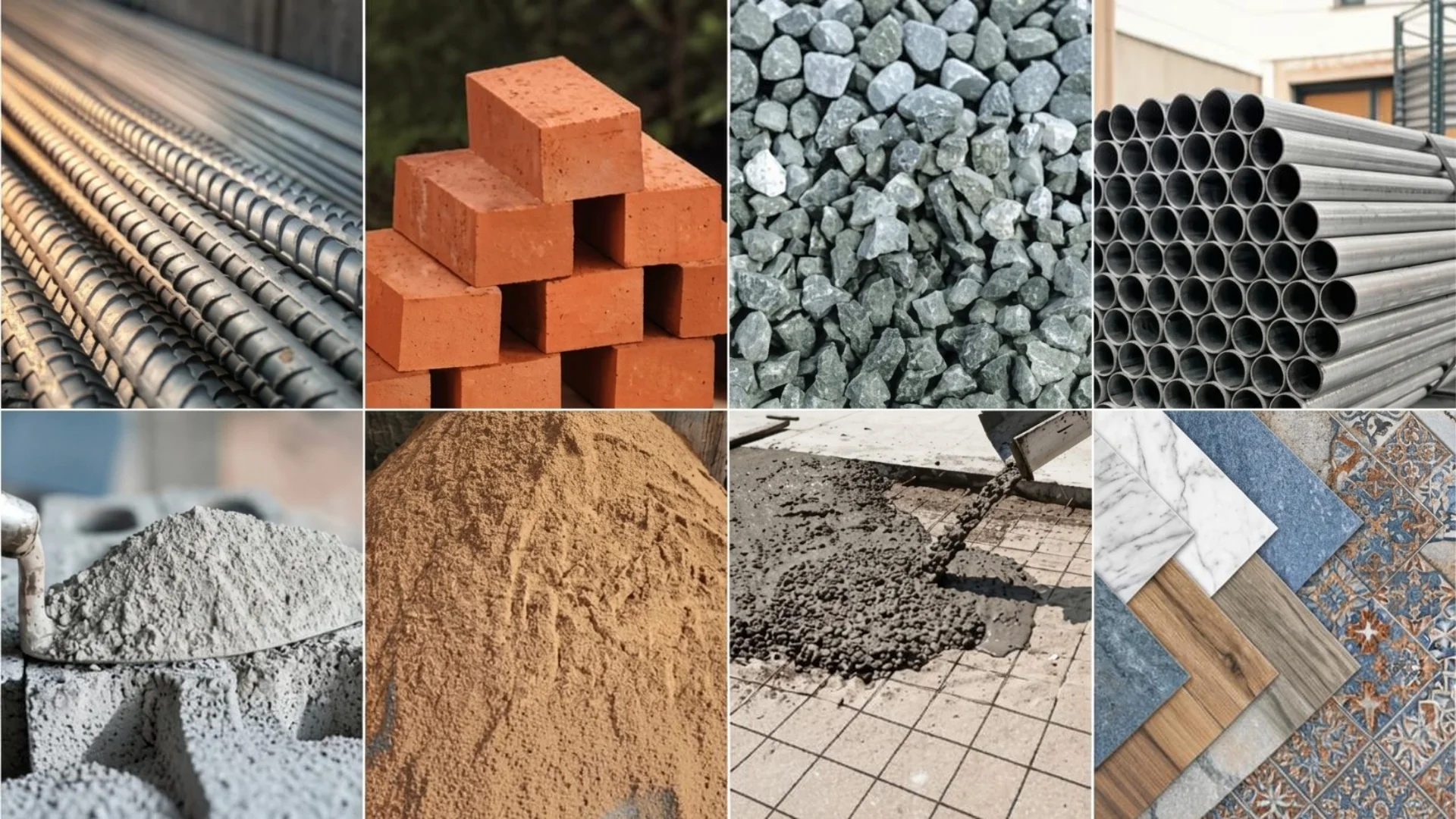
Which Construction Materials Are Most Affected by Fuel Price Changes?
Some materials are hit the hardest because most of their price is transport, and other materials need fuel to make and move. Global scrap prices and electricity play a bigger role, but the materials that are most affected are:
Cement
Cement uses fuel twice: once to make it and once to deliver it. During the fuel shock earlier this year, prices climbed. Bureau of Statistics data showed the average retail price per cement bag rising to approximately Rs 1500.
Steel (Sarya)
Steel is one of the costliest items in a grey structure. Energy, scrap prices and the rupee all affect it. One industry report found steel prices had risen about 30% since January 2026, driven by energy costs and global scrap prices.
Bricks
Bricks feel fuel pressure from the kiln and the truck. Delivery distance matters a lot. In Lahore, a truck bringing 10,000 bricks from a Raiwind kiln to the city centre can add Rs2,000 to Rs4,000 to your bill.
Sand, Bajri and Crush
These materials are cheap to dig but costly to move. Quarries and river beds are often far from cities. So the delivery charge can be a large share of what you pay. When diesel rises, these rates move first.
How Is a Construction Delivery Bill Calculated in Pakistan?
A delivery bill depends on distance, truck size, load weight, fuel price, labour for loading and unloading, and tolls. Fuel is usually the biggest moving part, which is why delivery rates change whenever diesel prices change.
Here is what goes into your bill:
Distance: Longer trips burn more fuel. Remember the truck has to drive back empty too.
Truck type: A tractor trolley, a dumper, and a 22-wheeler all cost different amounts.
Load size: Full loads cost less per unit than half loads.
Fuel cost: The diesel price on the day of delivery.
Labour: Workers who load and unload the material.
Tolls and fees: Motorway tolls and city entry charges.
Simple fuel cost formula
Fuel cost per trip = (Round trip distance in km ÷ Truck mileage in km per litre) × Diesel price per litre
Worked example:
Item | Value |
One-way distance | 20 km |
Round trip | 40 km |
Truck mileage (assumed) | 4 km per litre |
Diesel used | 10 litres |
Diesel price | Rs418.96 |
Fuel cost per trip | about Rs4,190 |
If diesel rises by Rs10 per litre, this trip costs about Rs100 more in fuel alone.
That sounds small. But transporters do not only pass on fuel. They also price in the risk of more hikes, plus tolls, repairs, and wages. That is why freight rates often jump by a bigger percentage than the fuel price.
How Much Can a Petrol Price Increase Add to Your Construction Budget?
A fuel price increase hits your budget in two layers. The direct layer is higher delivery charges. The indirect layer is higher material prices, since factories and kilns pass on their own fuel costs. Together, they can add a noticeable amount to a full house project.
For Example: 5 Marla grey structure
Scenario | Delivery trips | Average cost per trip | Total delivery cost |
Before hike | 25 | Rs5,000 | Rs125,000 |
After a 7% freight hike | 25 | Rs5,350 | Rs133,750 |
After a 40% freight hike | 25 | Rs7,000 | Rs175,000 |
In this example, a 40% freight hike adds Rs50,000 to deliveries alone. That is before any rise in the price of cement, steel, or bricks.
For context, one estimate puts grey structure rates in the tier-1 cities at roughly Rs3,000 to Rs3,800 per square foot in 2026, depending on specification and location.
Tips to Reduce Delivery Costs
You cannot control fuel prices. But you can control how you buy and move materials. Here are practical ways to save.
Buy in bulk. Full truckloads cost less per unit than many small trips. Order for a full phase of work at once.
Source locally. Choose the nearest kiln, crush plant, or cement dealer. Fewer kilometres means a smaller fuel bill.
Combine deliveries. Ask your supplier to send mixed loads, such as cement and steel together, when possible.
Fix rates in advance. Agree on a fixed delivery rate for your whole project in writing. This protects you from sudden freight hikes.
Watch the daily price. Since OGRA now publishes prices every day, check the trend before placing big orders.
Plan to avoid rush orders. Last-minute orders often cost more. A clear material schedule saves money.
Store materials well. Bulk buying only helps if nothing is wasted. Keep cement dry and covered, and use it within its shelf life.
Keep a buffer in your budget. Set aside a small contingency for fuel-driven price changes, especially during uncertain months.
Related: https://gharhub.com/grey-structure-vs-turnkey-construction-pakistan
Conclusion
Petrol and diesel prices shape the cost of building in Pakistan. They raise delivery bills directly, and they raise material prices through kilns, plants, and mills. With prices now changing daily, planning matters more than ever.
The smartest move is to act early. Buy in bulk, source close to your site, and lock in delivery rates before the next hike.
Frequently Asked Questions
Does diesel or petrol affect construction costs more?
Diesel affects construction costs more. Trucks, dumpers, excavators, and generators mostly run on high-speed diesel, not petrol.
How often do fuel prices change in Pakistan?
Fuel prices in Pakistan now change daily. The federal cabinet approved daily petroleum pricing in July 2026, with OGRA publishing rates online.
Do cement prices always go up when petrol prices rise?
Cement prices also depend on demand, coal costs, electricity tariffs, and company pricing decisions. But fuel is a big input in both making and moving cement.
Why don't material prices drop when petrol prices fall?
Prices tend to rise quickly but fall slowly. Suppliers may still hold stock bought at higher costs. Transporters often keep rates high in case fuel rises again. Other costs like wages, electricity, and taxes may also have gone up. So small fuel cuts rarely bring quick relief.
Which construction material is most affected by fuel prices?
Sand, bajri, and crushed stone are usually the most affected. They are heavy, low-cost materials that travel long distances from quarries and riverbeds.